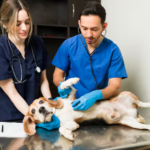


You might be looking at your pet’s food bowl and wondering if you are really giving them what they need, especially if something just feels “off.” Maybe your dog is gaining weight even though you have cut back on treats, or your cat’s coat has lost its shine and you cannot quite explain why. Talking with a veterinarian in Manhasset, NY can help you sort through these concerns and create a nutrition plan tailored to your pet’s needs. You care a lot, you are trying, and yet you still have that quiet worry in the back of your mind that you might be missing something important.end
That is where a focused conversation about your pet’s diet can make a real difference. A nutritional consultation for pets is simply a structured way to look at what your pet eats, how they are doing, and what could be adjusted to support better health. In plain terms, it is about matching the food to the animal in front of you, not to the picture on the bag.
Here is the short version. If your pet’s weight is creeping up or dropping without a clear reason, if their skin or coat looks unhealthy, if they are dealing with ongoing stomach troubles, or if they have a medical condition like diabetes or kidney disease, it is time to talk with a general veterinarian about nutrition. With the right plan, many pets feel more comfortable, have more energy, and often need fewer emergency visits.
Are changes in your pet’s weight telling you something important?
Weight is one of the clearest signals that your pet’s diet may need attention. It usually starts quietly. The harness feels tighter. The stairs seem harder. Or on the other side, the ribs feel sharper and your pet looks a little “bony” in certain light. You may blame age, a slower lifestyle, or even yourself for offering too many snacks.
The stress comes from not knowing how serious it is. Extra weight can look “cute,” yet research shows that overweight pets have higher risks of arthritis, diabetes, breathing problems, and shorter lifespans. The FDA and veterinary groups emphasize routine nutritional assessments because many pets are heavier than they appear at first glance. You can read more about how veterinarians assess weight and diet in the AAHA nutritional assessment guidelines.
On the flip side, unexplained weight loss can be just as concerning. A cat who eats the same food yet keeps getting thinner might be dealing with thyroid disease, diabetes, or digestive trouble. No amount of “better” food will fix that without medical care, but nutrition can support treatment once the cause is identified.
If your pet’s weight has changed over a few months and you are not sure why, that is a strong sign they could benefit from a diet review with a general veterinarian.
Is your pet’s skin, coat, or energy level not what it used to be?
You probably know your pet’s “normal” better than anyone. You notice when the fur that used to be glossy now feels dry, when your dog scratches all night, or when your cat’s shedding seems endless. You notice when your once playful companion spends most of the day sleeping and seems slow to get up.
These changes are easy to blame on age or the season. Sometimes that is true. Sometimes it is not. Poor coat quality, flaky skin, or recurring ear and skin infections can be linked to food allergies, poor nutrient balance, or the wrong type of protein or fat for that specific pet. Low energy can come from excess calories causing weight gain, or from not enough high quality nutrients to support muscles and organs.
Because of this tension between “maybe it is normal” and “maybe it is not,” you might feel stuck. A nutritional consultation gives you a structured way to sort this out. The veterinarian can look at the food label, ask about treats and table scraps, review how often and how much you feed, and then connect that information to what they see on the exam.
Are stomach issues, diarrhea, or picky eating becoming your new normal?
Chronic digestive problems wear everyone down. Maybe your dog has loose stools several times a week, or your cat vomits often enough that you keep paper towels on standby. The mess is frustrating. The worry is worse. You might have tried switching foods on your own, only to see things improve for a while and then slide back again.
Many pets with sensitive stomachs, food intolerances, or inflammatory bowel disease do better when their diet is carefully chosen and adjusted. A veterinarian can help you decide whether to try a limited ingredient diet, a prescription diet, or a different feeding schedule. Recent research even looks at how certain nutrients and fiber types affect the gut microbiome and inflammation in pets with chronic enteropathy. One review in the National Library of Medicine discusses how diet, probiotics, and medications interact in these cases, and you can explore that science-focused overview here if you are curious.
If you are cleaning up accidents, dealing with repeated bouts of diarrhea, or worrying every time your pet refuses a meal, this is not something you just have to “live with.” It is a strong sign that a more targeted nutrition plan might help.
Does your pet have a medical condition that food could support?
Many chronic diseases are deeply affected by what your pet eats. Kidney disease, diabetes, pancreatitis, heart disease, bladder stones, and arthritis are all conditions where a tailored diet can change quality of life and sometimes slow progression.
For example, dogs with arthritis often benefit from controlled calories and specific types of omega 3 fats. Cats with kidney disease need carefully adjusted protein, phosphorus, and moisture. Diabetic pets need consistent carbohydrates and feeding schedules that match their medication. On your own, it is unreasonable to expect you to balance all of that just by reading labels in the pet food aisle.
This is where a veterinary nutrition consultation becomes more than a “nice to have.” It becomes part of the treatment plan. The general veterinarian can either design the diet themselves, choose an appropriate therapeutic food, or, when needed, work with a board certified nutrition specialist.
Should you try to fix your pet’s diet yourself, or work with a veterinarian?
You might be wondering whether you really need professional help or if you can handle this on your own with research and careful shopping. That is a fair question. Many pet owners are highly informed and very thoughtful about food choices. At the same time, labels can be confusing, online opinions can conflict, and what helped one person’s dog may not be safe for yours.
The comparison below can help you think through your options.
| Approach | What it looks like | Benefits | Risks or limits |
|---|---|---|---|
| DIY diet changes | Switching brands, trying grain free, home cooking, or following online advice without veterinary input. | Can be quick. May help mild issues. Allows you to control ingredients and costs. | Hard to balance nutrients correctly. May miss medical problems. Frequent changes can upset digestion. Risk of long term deficiencies or excesses. |
| General veterinarian guidance | Discussing your pet’s history, weight, lab work, and current food during an exam and adjusting diet based on that. | Uses medical history and exams. Can spot disease early. Can recommend specific therapeutic diets. Safer for pets with existing health issues. | Requires an appointment. Some complex cases may need a specialist referral. |
| Board certified nutritionist (when needed) | Custom diet plans, often for multiple illnesses or very unusual needs, sometimes home cooked with recipes. | Highly tailored plans. Careful nutrient balancing. Helpful for severe allergies, multiple diseases, or very young/old pets. | More expensive. Not needed for every pet. Usually arranged through your regular vet. |
For many families, starting with a general veterinarian is enough. They know your pet, they understand your budget, and they can tell you whether your situation is simple or more complex.
What can you do right now to support better nutrition for your pet?
1. Start a simple food and symptom journal
For one to two weeks, write down what your pet eats each day. Include the main food, treats, table scraps, and any supplements. Note amounts as best you can. Also record symptoms like vomiting, loose stools, itching, changes in thirst, or changes in energy. Bring this journal to your next general veterinarian visit. It gives a clearer picture than trying to remember everything in the exam room.
2. Learn your pet’s body condition score
Instead of guessing whether your pet is “about right,” look up a simple body condition score chart for dogs or cats. Feel their ribs, look at their waist from above, and check the tuck of the belly from the side. Write down what you think the score is, then ask your veterinarian to confirm or adjust it. This shared language makes it easier to track progress over time and to see whether diet changes are truly helping.
3. Plan a focused nutrition conversation with your veterinarian
At your next appointment, say up front that you would like to talk specifically about food. Mention any of the four signs you are seeing. Weight changes, skin or coat problems, digestive issues, or chronic disease. Share your journal and any concerns about cost or practicality. Ask for clear, realistic recommendations. For example, “What exact food and amount would you start with for my pet?” and “How will we know if this is working?”
Moving forward with more clarity and less worry
Caring for a pet’s nutrition can feel heavy when you are not sure what is wrong, yet you sense that something is. You are not overreacting. Weight shifts, dull coats, ongoing stomach issues, and chronic disease are all real signs that your pet could benefit from a nutritional consultation. The good news is that you do not have to solve this alone or all at once.
A thoughtful conversation with a trusted general veterinarian can turn guesswork into a plan. Even small adjustments in food type, portion, or feeding schedule can bring back energy, comfort, and the familiar spark in your pet’s eyes. You deserve that peace of mind, and your pet deserves to feel as good as they possibly can.