

You might be feeling a mix of worry and guilt right now. Maybe your dog is slowing down, and you are not sure if it is age or pain. Maybe your cat skipped a meal, and your mind jumped straight to the worst case. Or you are simply realizing that you have had your pet for years and still are not completely sure which veterinary services you should be using and when, and whether a Long Beach vet clinic is the right place to turn for answers.
That uncertainty can feel heavy. You love your pet. You want to do the right thing. Yet the world of veterinary care can seem confusing, expensive, and full of jargon. Because of this tension, you might wonder which services are truly essential and which can wait.
Here is the short version. There are four core veterinary services that every pet owner should understand. Routine wellness care, urgent and emergency care, dental care, and behavior or mental health support. When you know what each one covers and when to use it, you protect your pet’s health, and you protect your peace of mind. You do not need to become an expert. You just need a clear map.
Why routine vet visits matter even when your pet “seems fine”
One of the most common regrets pet owners share is this. “I wish I had brought them in sooner.” Your pet cannot tell you when something feels off. By the time you see obvious symptoms, a problem may already be advanced.
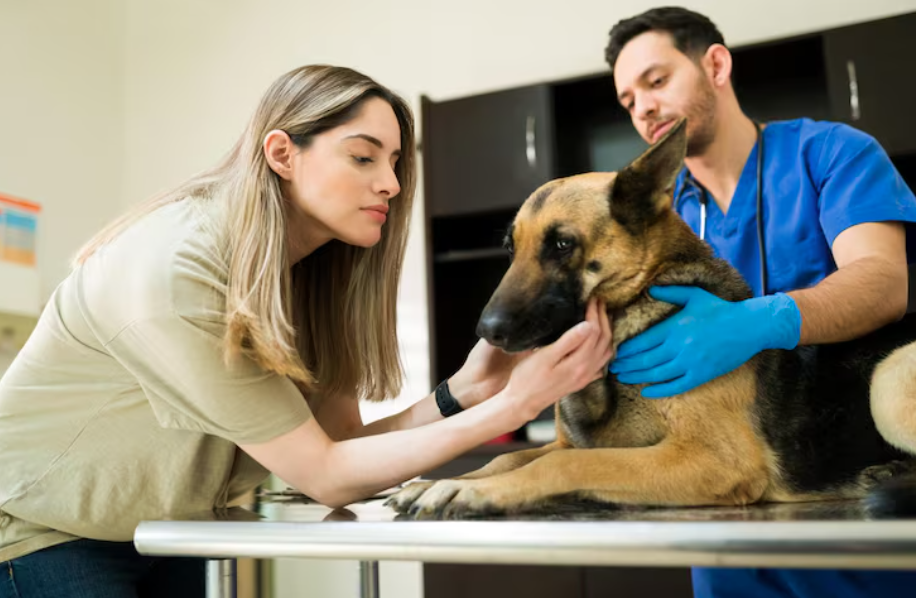
This is where a general veterinarian and regular wellness care come in. Think of this as your pet’s version of a yearly physical. During these visits, the veterinary team checks weight, teeth, skin, eyes, heart, and joints. They review vaccines, parasite prevention, and nutrition. They may recommend bloodwork, especially as your pet ages.
The problem is that wellness care can feel optional when money or time is tight. You might think, “She is eating, playing, and acting normal. We are fine.” Then a small, treatable issue quietly grows into something complex and expensive.
For example, a mild heart murmur might be picked up in a routine exam. Caught early, your veterinarian can monitor it and start medication at the right time. Miss that window, and you might meet that same problem in the emergency room at two in the morning, facing difficult choices.
So where does that leave you? Even if your pet seems healthy, plan at least one wellness visit a year for adult pets, and more often for seniors or those with chronic conditions. This is your safety net.
What counts as an emergency and who do you call when it happens?
One of the hardest moments for any pet owner is staring at a sick or injured animal and wondering, “Is this an emergency or can it wait until morning?” The fear of overreacting collides with the terror of waiting too long.
Emergency and urgent care are key parts of essential veterinary services for pets. Emergency care is for life-threatening situations. Trouble breathing, uncontrolled bleeding, repeated vomiting, seizures, collapse, or if your pet has eaten something toxic. Urgent care covers situations that are serious but not immediately life-threatening, like a deep cut, sudden limping, or a painful ear infection.
In those moments, you should never feel that you have to guess alone. The FDA offers guidance on who to call if you have a pet emergency, which can help you prepare a plan before you ever need it.
So, what is the agitation here? Emergencies are expensive, they are scary, and they usually happen outside normal hours. That combination can make people freeze or delay. Yet waiting can limit treatment options or outcomes.
The solution is not to live in fear. It is to prepare. Save the number and address of the nearest 24-hour veterinary hospital in your phone. Ask your regular clinic what they recommend after hours. Keep a written list of medications and conditions your pet has. When something happens, you will not be starting from zero.
Is pet dental care really that important or just “extra”?
Pet dental care often feels like a luxury. You might think, “He hates having his teeth brushed. His breath is not that bad. We have more important things to worry about.” The trouble is that dental disease usually starts quietly and then spreads.
A general veterinarian trained in dentistry can do much more than clean teeth. They can identify broken or infected teeth, gum disease, and even oral tumors. These problems cause chronic pain, can spread infection to other organs, and often go unnoticed until they are severe.
Imagine a dog who has become “grumpy with the kids” and slower to get up. It would be easy to blame age or personality. A dental exam might reveal multiple painful teeth. After treatment, the same dog may act years younger and more affectionate, simply because the pain is gone.
Dental care is one of the most overlooked core veterinary services, yet it often has one of the biggest impacts on quality of life. It is not cosmetic. It is comfort.
When behavior and mental health support become medical care
There is another group of pets that quietly suffer. The anxious dog who cannot relax when you leave. The cat who urinates outside the litter box. The reactive dog who lunges on walks. These issues can strain your patience, your relationships, and even your housing situation.
It is easy to see these problems as “training issues” only. In reality, behavior and mental health are deeply connected to medical health. Pain, thyroid disease, neurological problems, and past trauma can all show up as behavior changes.
A general veterinarian can rule out medical causes, prescribe medication when needed, and refer you to qualified trainers or veterinary behaviorists. Ignoring these problems rarely makes them go away. Addressing them early protects both your pet and your bond with them.
Comparing common veterinary services and when to use them
To make choices a bit clearer, it can help to see the main types of care side by side.
| Service Type | Typical Purpose | Examples of When to Use | Cost Trend | Risk of Delaying |
|---|---|---|---|---|
| Wellness & Preventive Care | Catch problems early and prevent disease | Annual checkups, vaccines, parasite prevention, senior screenings | Lower per visit | Small problems may grow into serious disease |
| Emergency & Urgent Care | Address life threatening or acute issues | Trauma, difficulty breathing, poisoning, seizures, severe vomiting | Higher and often unplanned | Can be life-threatening or limit treatment options |
| Dental Care | Reduce pain and infection in mouth | Bad breath, tartar, loose or broken teeth, drooling, trouble eating | Moderate, usually planned | Chronic pain, tooth loss, possible organ impact |
| Behavior & Mental Health Support | Improve safety and quality of life | Separation anxiety, aggression, house soiling, noise phobias | Varies, often spread over time | Worsening behavior, safety risks, possible surrender |
If you are unsure which category your concern fits, that is exactly when a quick call to your general veterinarian is most helpful.
Three practical steps you can take today
1. Schedule a wellness check and bring a written list
If it has been more than a year since your pet saw a vet, or if you have lingering questions, schedule a wellness visit. Before you go, write down any changes you have noticed. Appetite, water intake, weight, behavior, stiffness, coughing, bathroom habits. Even small details help your veterinary team spot patterns.
2. Build your emergency plan before you need it
Look up the nearest 24-hour veterinary hospital and save their contact information in your phone. Ask your regular clinic what they recommend for after-hours care. Read the FDA’s guidance if you have a question about your pet’s health so you know what reliable information looks like. A good starting point is this resource on questions about your pet’s health. Share your plan with family members so no one has to guess in a crisis.
3. Ask directly about dental and behavior concerns
At your next visit, bring up your pet’s teeth and behavior even if the staff does not. Ask if your pet is due for a dental evaluation. Mention any anxiety, aggression, or house soiling, even if it feels small or embarrassing. You are not “bothering” anyone. You are giving your veterinarian the full picture so they can guide you.
Moving forward with more clarity and less fear
Caring for an animal you love will always involve a bit of worry. You cannot remove every risk. What you can do is understand the four veterinary services every pet owner should know about and use them wisely. Routine wellness care to catch problems early. Emergency and urgent care when seconds matter. Dental care to prevent silent suffering. Behavior and mental health support to protect your pet’s comfort and your bond with them.
You do not have to handle this alone. Reach out to your general veterinarian, ask questions, and use these services as tools, not last resorts. Your pet does not need perfection. They need your steady effort and your willingness to get help when something feels off. That is more than enough.