
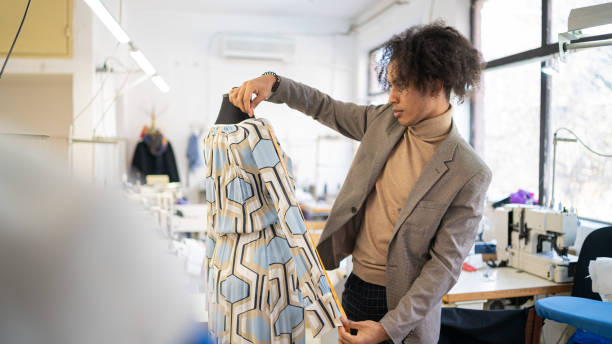

The world of designer fashion is continually evolving, undergoing transformative changes that redefine the way consumers engage with style. Designers are pushing the boundaries not just in terms of aesthetics but also regarding sustainability, technology, and inclusivity. Renowned labels like Dries Van Noten are at the forefront of these innovations, offering collections that fuse traditional craftsmanship with modern sensibilities.
The Role of Technology in Fashion
Technology has played a crucial role in reshaping the fashion landscape. The integration of digital innovations is apparent in various facets of the industry, from design to retail. 3D printing, artificial intelligence (AI), and virtual reality (VR) are becoming integral tools for designers aiming to create unique and customised pieces. Brands are utilising these technologies to not only enhance design processes but also to offer customers immersive experiences.
AI, in particular, is transforming how designers understand trends and consumer preferences. By analysing data and predicting style movements, AI helps brands stay ahead in a competitive market. Furthermore, the use of virtual fitting rooms and augmented reality apps is growing, giving consumers the ability to try on clothes virtually, enhancing the shopping experience.
Sustainability as a Core Innovation
With increasing awareness about environmental concerns, sustainability has emerged as a critical area of innovation in designer fashion. Brands are re-evaluating their production processes to minimise environmental impacts. This involves using sustainable materials, reducing waste, and ensuring ethical labour practices. Designers like Junya Watanabe are exemplary in adopting eco-friendly approaches, contributing significantly to the sustainable fashion movement.
Re-use and recycling programmes are also gaining momentum, with more brands offering initiatives for customers to return and recycle their old garments. These innovations not only help in reducing the carbon footprint but also encourage a culture of conscious consumerism.
The Importance of Inclusivity in Modern Fashion
Innovation in fashion is not just limited to technological and ecological advancements. It also encompasses inclusivity and diversity, reflecting a broader societal change. This shift is evident as brands increasingly cater to a diverse range of body types, gender identities, and cultural backgrounds. Designer labels are expanding their size ranges and producing collections that are gender-neutral, promoting a more inclusive approach to fashion.
Moreover, runway shows and campaigns are featuring models from various backgrounds, challenging traditional beauty norms and promoting a more equitable representation within the industry.
The Rise of Customisation and Personalisation
Consumers today are seeking more personalised experiences, and the fashion industry is responding. Many designer brands are offering customisation options, allowing customers to influence designs more personally. This trend towards custom-tailored fashion is revolutionising the retail experience, transforming the way consumers interact with fashion.
Personalisation extends beyond clothing; even Designer bags are being customised in unique ways that reflect personal tastes and preferences. This personal connection to fashion items adds significant value and creates lasting consumer relationships.
Influence of Digital Media on Fashion Trends
Digital media is another pivotal component in shaping modern fashion trends. Social media platforms, in particular, serve as a powerful tool for brands to showcase their creativity and reach broader audiences. Platforms like Instagram and Pinterest have become instrumental in setting trends and inspiring consumer styles.
Influencers and bloggers also play a critical role in fashion marketing, often dictating trends through their unique styles and fashion-forward advice. Collaborative campaigns with social media influencers have become an essential strategy for designers aiming to enhance brand visibility and connect with younger audiences.
Future Directions in Fashion Design
Looking forward, the fashion industry is expected to continue evolving at a rapid pace. Technological advancements, sustainability efforts, inclusivity, and personalisation will likely remain central themes. Designers will continue to explore new material technologies, such as biotechnologies for fabric production, which promise to revolutionise materials and impact both aesthetic and practical aspects of design.
The focus on circular fashion is also anticipated to grow, with brands investing more in sustainable solutions and eco-friendly technologies. As designers like Junya Watanabe demonstrate, there is a clear trajectory towards a more sustainable, innovative, and inclusive fashion industry.
Conclusion
Innovation is undoubtedly shaping the future of fashion. As the industry progresses, it will continue to reflect and respond to technological, ecological, and social changes. Designer brands are not only contributing to aesthetic evolutions but are also pioneering changes that promise a more sustainable and inclusive future. As consumers demand more responsibility, transparency, and innovation, the fashion industry is poised to innovate continually, ensuring it evolves with the times.