

Key Takeaways
- Fire inspectors play a crucial role in preventing fires, ensuring public safety, and protecting property.
- Training and certification are essential for a successful fire inspection career.
- Community involvement and public education amplify fire safety efforts.
- Technological innovation is transforming modern fire inspection processes.
Table of Contents
- The Vital Role of Fire Inspectors in Community Safety
- Pathways to Becoming a Fire Inspector
- Community Engagement: A Cornerstone of Fire Prevention
- Embracing Technology in Fire Inspection
- Continuous Learning and Adaptation
- Real-World Impact: Case Studies
- Challenges and Opportunities in Fire Inspection
- Conclusion
The Vital Role of Fire Inspectors in Community Safety
Fire inspectors are essential professionals whose work often goes unnoticed, but their impact is felt every day through safer communities and fewer fire-related tragedies. The heart of their mission lies in preventing fires before they start—evaluating buildings for hazards, reviewing construction plans for code compliance, and conducting detailed on-site inspections to enforce safety standards. Every inspection, citation, and safety check helps shield families, workers, and first responders from the devastating effects of fire.
Individuals considering this rewarding path can build a solid foundation through rigorous fire inspector training. This training equips future inspectors with the vital knowledge necessary to read complex building plans and understand intricate fire codes. The expertise gained not only enhances the inspector’s skills but also directly boosts the safety of the neighborhoods they serve.
Pathways to Becoming a Fire Inspector
Starting a career as a fire inspector typically requires formal education in fire science, public safety, or a related technical field. Many regions require trainees to complete specialized programs and achieve certifications, such as Fire Inspector I or II, demonstrating both technical proficiency and a commitment to ongoing learning. For example, in Maryland’s Washington County, inspectors completed extensive certification requirements, ensuring preparedness for both routine and high-risk fire safety initiatives. These foundational steps solidify their readiness to take on diverse fire prevention and educational tasks within their communities.
The benefits of a solid foundation in training and certification cannot be overstated, as they enhance job effectiveness and support long-term career growth. Fire inspectors also commonly participate in on-the-job learning, mentorship arrangements, and hands-on exercises that fine-tune their decision-making skills in real-world situations.
Community Engagement: A Cornerstone of Fire Prevention
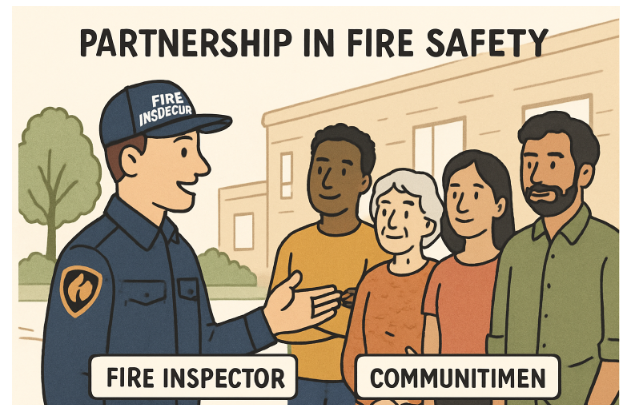
Community outreach is a crucial element of a fire inspector’s responsibilities. By proactively engaging businesses, homeowners, and local groups, inspectors foster a culture that values fire safety as a shared priority. Educational workshops—covering everything from safe grilling practices to emergency evacuation routes—empower residents to become active participants in their own protection, reinforcing the importance of Fire Watch Services in Virginia Beach in providing real-time support and on-site fire prevention when risks are highest.
These efforts are particularly impactful in municipalities that rally community participation around established fire safety standards. In Superior, Arizona, collaborative efforts between fire inspectors and residents earned the town the National Fire Protection Association’s FIREWISE designation, positioning it as a leader in wildfire-resilient communities. This example illustrates how community-driven strategies, led by knowledgeable inspectors, can make substantial progress in reducing risks and fostering trust with the public. For further guidance on wildfire risk reduction, visit the National Fire Protection Association’s Firewise USA program.
Embracing Technology in Fire Inspection
Modern fire inspection is increasingly shaped by technological advancement. From digital checklists and automated reporting tools to artificial intelligence-powered platforms like the Flash Inspector, technology is streamlining routine inspections and improving consistency. These solutions empower inspectors to allocate more time to complex fire prevention strategies and personalized education efforts.
The integration of advanced tools not only ensures regulatory compliance but also facilitates real-time data sharing and trend analysis, leading to more intelligent resource allocation and policy updates. As described by NFPA Journal, agencies leveraging these innovations are seeing notable improvements in inspection outcomes and community preparedness.
Continuous Learning and Adaptation
Fire inspection is a constantly evolving field that requires persistent education. As new building materials, construction techniques, and environmental challenges emerge, inspectors must adapt to updated fire codes and best practices to ensure compliance. Many departments encourage ongoing professional development through courses, conferences, and mentorship programs that foster peer collaboration and knowledge exchange, promoting a culture of continuous learning.
Continuous learning enables inspectors to stay ahead of changing risks while upholding high standards for the safety of their community. This emphasis on growth and adaptation keeps the profession dynamic and responsive in a complex safety landscape.
Real-World Impact: Case Studies
Across the country, real-world examples demonstrate the tangible impact of skilled fire inspectors. When Ketchikan, Alaska, secured a federal grant to add a full-time fire inspector and educator, the department was able to offer broader educational outreach, install smoke alarms in high-risk homes, and decrease response times to hazards. The initiative led to an overall improvement in public safety and increased community engagement in fire prevention.
Similarly, municipalities like those in Washington County, Maryland, demonstrate how certification and ongoing training translate into stronger, more adaptable fire inspection services. These successes underscore the importance of investing in both people and programs for achieving long-term safety outcomes.
Challenges and Opportunities in Fire Inspection
Despite their vital contributions, fire inspectors often face significant challenges, including limited resources, evolving threats, and the ongoing need for continuous education. Budget limitations and staffing shortages can restrict their ability to conduct as many site visits or deliver as many community programs as needed. However, these hurdles inspire creative problem-solving, partnerships, and the adoption of cutting-edge tools that propel the profession forward.
Looking ahead, the future of fire inspection is shaped by continuing advances—both in the technology available and the strategic approach to risk that emphasizes prevention, public outreach, and resilience. By embracing these changes, fire inspectors solidify their critical role at the intersection of public safety and community empowerment.
Conclusion
Becoming a fire inspector means dedicating oneself to a cause that saves lives, protects property, and nurtures a sense of security for entire communities. Through sustained education, dynamic engagement with residents, and an openness to innovation, fire inspectors remain indispensable allies against fire risks. Their steadfast commitment inspires safer towns and cities—underscoring the importance of continuous support, investment, and recognition for these frontline public safety professionals.