
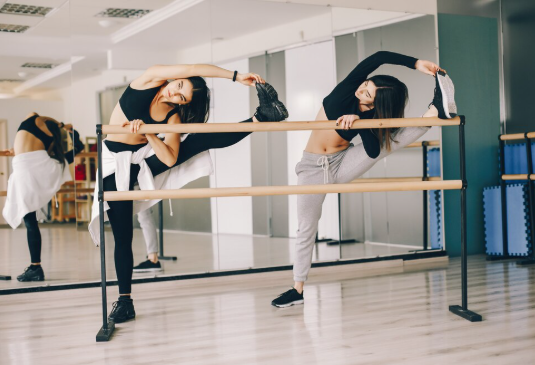

Something has been building quietly in the city for years. It did not happen overnight. It grew through long rehearsals, small studios, and dancers who kept turning up even when no one was watching. By 2026, dance schools in Cardiff will no longer fly under the radar. They are producing competitors who expect to win, not just participate. That confidence did not come from hype. It came from work. A lot of it.
A City That Takes Training Seriously
Cardiff does not treat dance as something you “grow out of.” Training here is structured, demanding, and honest. Technique matters. Conditioning matters. Musicality matters. You feel it the moment you step into a serious studio. There is less hand-holding than people expect, and that surprises newcomers. It also filters out who is serious. That is not a bad thing.
Coaches Who Compete, Not Just Teach
One of the biggest reasons competitive dance thrives here is leadership. Many instructors across Cardiff dance schools have real competitive experience. They have stood on those stages. They know what judges look for because they have been judged themselves. They push dancers hard. Sometimes uncomfortably so. Growth usually feels like that.
Strong Foundations Across Multiple Styles
Competitive dancers in Cardiff are rarely locked into one style. Ballet, contemporary, jazz, hip hop, and commercial. Cross-training is normal, not optional. This creates adaptable dancers who can shift between choreography demands without falling apart. It also reduces burnout. Variety keeps bodies and minds engaged.
Studios That Value Discipline Over Flash
Not every studio is polished or Instagram-perfect. Some spaces are loud. Some are cramped. Some feel rough around the edges. That does not matter.
What matters is focus. Many dance schools in Cardiff prioritise training quality over image, and the results show up on competitive stages. Marketing never replaces discipline.
Access to Real Competitive Opportunities
Location helps more than people realise. From Cardiff, dancers have regular access to UK and European competitions without constant long-haul travel. That frequency matters. Competing often builds resilience faster than occasional showcase performances. You learn more from losing early than winning late. Cardiff dancers learn early.
A Community That Is Competitive, Not Cutthroat
Here is something outsiders often get wrong. Yes, it is competitive. No, it is not toxic. Studios compete. Dancers compete. But there is mutual respect. One school’s success does not feel like another’s failure. That balance is rare in the UK competitive dance scene. Cardiff has managed it.
Support for Dancers Beyond Childhood
Competitive dance does not end at eighteen here. Before finishing, it matters to note how dance classes for adults in Cardiff fit into the bigger picture. Many adult dance classes in Cardiff focus on advanced training, not casual movement. Some dancers return through adult programmes after time away and re-enter competition stronger, sharper, and more grounded. That pathway keeps experience in the room. And experience matters.
Why 2026 Feels Like a Turning Point
Momentum is no longer subtle. Standards are higher. Expectations are clearer. Coaches demand more. Dancers expect more. Studios collaborate while still competing. Cardiff is no longer “emerging.” It has arrived. Not everyone will keep up. That is okay.
Cardiff did not become a competitive dance hub by accident. It happened because people here value discipline, resilience, and long-term growth over shortcuts. Across Wales and the wider UK circuit, competitive dancers trained in Cardiff are being noticed. In 2026, that effort is paying off on stages far beyond the city itself.