

Key Takeaways
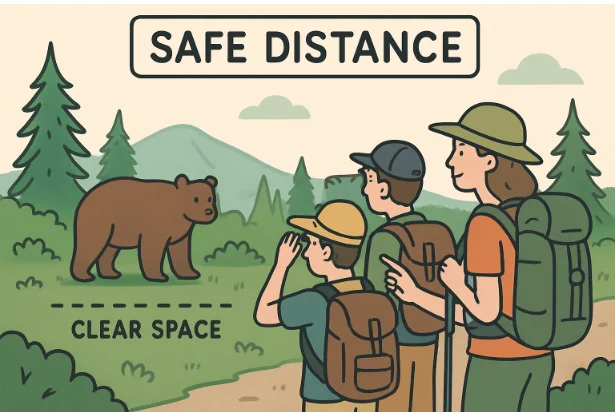
- Always observe bears from a safe distance of at least 100 yards.
- Alert bears to your presence by making noise, particularly in thick cover.
- Prevent food-based encounters by securing all food and garbage.
- Bear spray is essential—carry it and understand proper use.
- Hiking in groups is safer and deters bear encounters.
Table of Contents
- Introduction
- Maintain a Safe Distance
- Make Noise While Hiking
- Secure Food and Garbage
- Carry Bear Spray
- Travel in Groups
- Keep Dogs Leashed
- Camp Safely
- Be Aware of Bear Behavior
Bear watching is one of the most awe-inspiring ways to connect with the wild, offering the opportunity to observe these majestic animals as they roam forests and mountainsides. While the thrill is undeniable, safety and respect must come first—for both humans and bears. With careful planning and the right approach, your encounter can be safe, memorable, and have a positive impact on wildlife conservation. For those interested in the intersection of observation and regulated interaction, Maine bear hunting regulations offer a glimpse into how local regulations combine outdoor adventure with responsible wildlife management.
The following guidelines are designed to foster responsible wildlife observation practices, helping protect bears while allowing people to experience nature at its finest. As bear populations make a steady comeback across North America, understanding ethical and effective bear-watching methods is crucial for ensuring continued coexistence.
Maintain a Safe Distance
Bears are powerful wild animals that require plenty of personal space to feel secure. Observers should maintain a distance of at least 100 yards (approximately the length of a football field) to avoid disturbing the bear or provoking defensive behavior. Opt for binoculars or camera zoom lenses to get a closer look without entering the bear’s comfort zone. If a bear notices your presence, remain calm, speak in a steady tone, and slowly back away while keeping your eyes on the animal and avoiding any sudden gestures.
Make Noise While Hiking
Bears prefer to avoid humans and will often move away if they hear you coming. When traversing trails, especially in dense, brushy areas or near roaring streams where your presence may be masked, make regular noise to alert others. Clap, sing, talk loudly, or use designated bear bells to signal your presence. Alerting bears in advance minimizes the chance of surprising them—a primary cause of defensive encounters. The U.S. Fish & Wildlife Service offers more guidance on preventing surprise meetings with wildlife.
Secure Food and Garbage
Food and trash left unsecured in bear country can quickly attract bears, drawing them into campsites and recreation areas. Use certified bear-proof containers or hang food at least 10 feet above the ground and 4 feet out from tree trunks. Avoid leaving scented items in your tent, and pack out all garbage, food wrappers, and toiletries. Proper food management not only protects your group but also prevents bears from becoming habituated to human food, thereby protecting both bears and future visitors. According to the Associated Press, strict food storage is increasingly critical as bear populations rebound near populated outdoor areas.
Carry Bear Spray
Bear spray is a must-have in bear country. Always carry it where it is quickly accessible—on your belt or backpack strap, not buried in your bag. Learn how to use bear spray before hitting the trail; practice removing the safety and aiming. Bear spray is intended only for defense when a bear is aggressively approaching. Experts advise familiarizing yourself with local regulations regarding bear spray, as some areas have usage restrictions or specifications.
Travel in Groups
Larger groups are more likely to deter bears. Hikers and campers should stick together, as bears seldom approach three or more adults. Group travel not only increases noise but also enhances safety in the unlikely event of an encounter, providing more eyes and quicker response times. Many authorities, including local wildlife agencies, recommend moving in coordinated units for safer wildlife experiences.
Keep Dogs Leashed
Dogs can unintentionally provoke defensive behavior in bears, sometimes leading them back to their owners with an angry bear in pursuit. Responsible pet management means leashing dogs at all times in bear country and ensuring they do not bark excessively or stray from the group. This protects not only your pet but also the entire hiking party and local wildlife. For instance, Boulder, Colorado, has implemented seasonal leash regulations to reduce bear encounters, emphasizing the importance of controlling pets in natural environments.
Camp Safely
When setting up camp, choose sites away from berry patches, animal trails, or waterways, where bears are likely to forage. Keep your cooking and sleeping areas well separated—never eat or store food in your tent. Use established bear hangs or secure lockers provided at many campgrounds. Dispose of greywater and food waste far from your camp to reduce scent signals that could draw in bears during the night.
Be Aware of Bear Behavior
Recognizing and understanding bear behavior is key to an appropriate response in an encounter. If you see a bear at a distance and it does not notice you, quietly back away and avoid drawing attention. If a bear approaches, stand your ground, appear as large as possible, and shout “Hey Bear!” to identify yourself as a human. Do not run, as this could provoke a chase. Only use bear spray as a last resort if the bear continues to approach after your defensive actions. Staying calm and informed can make all the difference during a surprise meeting.
Employing these guidelines will help you appreciate bears safely and ethically while supporting conservation efforts that allow these impressive creatures to thrive in their natural habitats. Responsible bear watching not only ensures your own safety but plays a critical role in the ongoing preservation of one of North America’s iconic species.