
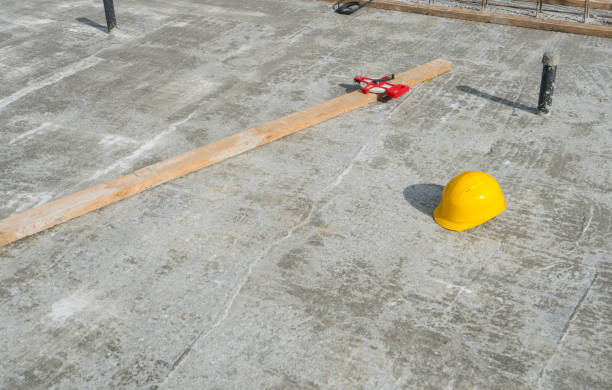

Concrete surfaces add value, function, and curb appeal to any property. Whether it’s a driveway, patio, or walkway, these durable surfaces are an investment worth protecting. Over time, exposure to weather, foot traffic, and spills can cause fading, cracks, and staining, making proactive maintenance essential. One of the best ways to prevent deterioration and maintain appearance is by developing a simple, consistent maintenance routine. For specialized local assistance, concrete sealing and waterproofing in Utah offers expert solutions to provide lasting protection and resilience.
When neglected, even the toughest concrete can lose its visual appeal and require costly repairs or replacement. Fortunately, routine care can prevent the most common issues and significantly extend the lifespan of your surfaces. By applying the proper techniques seasonally and responding promptly to damage or stains, you can maintain your concrete’s appearance for years. These easy-to-follow strategies can help save you time, money, and energy while maximizing your property’s value.
Regular Cleaning
Routine cleaning is the foundation of good concrete care. Dirt, grit, and organic matter can wear down protective coatings and surface layers, especially in high-traffic zones. Weekly sweeping or using a leaf blower clears away debris, reducing the chances of abrasion. A monthly wash with a hose and a stiff-bristled broom can remove stubborn grime and organic stains such as algae and moss.
For deeper cleans, a pressure washer on a low to medium setting targets embedded dirt but should be used cautiously to avoid etching the surface. Avoid allowing soil, leaves, and mulch to accumulate, as these organic materials can harbor moisture and promote mold or mildew growth. Regular maintenance like this helps prevent long-term wear and keeps concrete vibrant year-round.
Prompt Stain Removal
Concrete is porous, so spills and drips are quickly absorbed if not addressed promptly. When oil, grease, or food stains appear, immediate action is critical. Absorb oil spots with baking soda or cornstarch, then gently scrub with a soft brush and mild dish soap. Rinse the area thoroughly with water afterward. For stubborn stains, commercial degreasers designed for concrete are effective and safer than harsh acids.
Rust stains can require specialized treatments; look for products specifically formulated for removing rust from masonry surfaces. Acting fast not only keeps the area looking new but also prevents permanent discoloration and deeper penetration of contaminants.
Applying Sealant
A quality concrete sealant acts as a physical barrier, locking out moisture, stains, dirt, and harsh weather conditions. Sealants reduce water absorption, minimize freeze-thaw damage, and block stains from penetrating below the surface. Most experts recommend sealing every 2–3 years, accompanied by a thorough cleaning and a complete visual inspection beforehand. There are different types of sealers—penetrating, acrylic, and epoxy—each suited for particular uses and levels of foot or vehicle traffic.
Sealing is especially vital for climates with freeze-thaw cycles or areas subject to de-icing chemicals. Homeowners can choose to do it themselves with readily available products or hire professionals who can assess and apply suitable products for maximum longevity.
Avoiding Harsh Chemicals
While a clean surface is a goal, some household cleaners do more harm than good. Bleach, ammonia, vinegar, and other acidic or alkaline substances can erode sealants and damage the concrete itself. Instead, opt for pH-neutral products formulated for masonry cleaning. Always test new cleaning solutions on a small, inconspicuous area before widespread use, and use plenty of water to ensure all residues are rinsed away.
Reading product labels is essential, and for unique stains, consult manufacturer recommendations or local concrete professionals to prevent unintentional etching or weakening of your surfaces.
Protecting Against Moisture
One of the leading causes of concrete deterioration is water infiltration. Persistent moisture leads to cracking, spalling, and the corrosion of reinforcement, known as “concrete cancer.” Ensure your property has adequate drainage to keep water from pooling, especially around slabs and foundations. Grading around patios and walkways should direct water away from structures and low-lying areas.
In freezing climates, avoid using salt-based de-icers, as they can accelerate wear and cause surface flaking. Instead, use sand or non-corrosive traction aids during icy periods. Wherever possible, prevent gutters and downspouts from directing water onto concrete. Proactive waterproofing is vital for preserving the appearance and preventing costly repairs, a point also emphasized by resources like Angi’s concrete maintenance tips.
Seasonal Maintenance
Each season introduces unique challenges for concrete surfaces. In winter, concrete should be kept free of snow and ice to limit freeze-thaw cycles that cause cracking. Use plastic shovels instead of metal to avoid gouging the surface. During autumn, leaves and debris should be removed quickly to avoid organic staining and moisture retention.
Spring and summer are ideal for inspecting for damage, cleaning stains, and resealing. These regular checks also enable the early detection of issues, ensuring swift intervention and minimizing the scope and cost of repairs. Adjust your maintenance tasks as the seasons change to stay ahead of potential problems.
Addressing Cracks Promptly
Cracks, if left unchecked, can easily widen due to freeze-thaw cycles or shifting ground below the slab. Even small fissures can lead to larger problems, such as weed growth or water infiltration. It is essential to repair cracks as soon as they appear using epoxy injections or patching compounds recommended for concrete repairs. Clean the crack thoroughly, apply the filler as directed, and smooth the surface for the best results.
Early crack intervention preserves both structural integrity and visual appeal, preventing small maintenance issues from escalating into major repair projects.
Using Mats in High-Traffic Areas
Protecting concrete where foot or vehicle traffic is constant can minimize wear patterns and extend the life of sealants. Placing doormats or area rugs in entryways and under grills or heavy planters effectively shields the surface from scratching, staining, and excessive abrasion. Look for breathable mats that allow moisture to evaporate, preventing mold or mildew from growing beneath them.
This simple addition can make a noticeable difference, preserving the even color and smoothness of your concrete for years to come.
Conclusion
Maintaining concrete surfaces requires consistent care and proactive attention, encompassing regular cleaning, prompt stain removal, sealing, and seasonal inspections. Addressing cracks early, protecting high-traffic areas, and avoiding harsh chemicals all contribute to preserving both appearance and structural integrity. By following these practical strategies, homeowners can extend the lifespan of their concrete, enhance curb appeal, and prevent costly repairs, ensuring that driveways, patios, and walkways remain durable and visually appealing for years to come.