

Table of Contents
- Understanding Truck Accident Settlements
- Factors Influencing Settlement Amounts
- Common Challenges in Truck Accident Claims
- Average Settlement Amounts
- Importance of Legal Representation
- Steps to Take After a Truck Accident
- Conclusion
Understanding Truck Accident Settlements
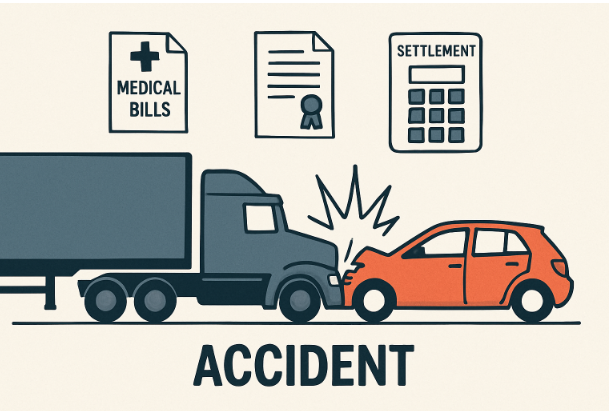
Truck accidents can leave victims facing serious injuries, mounting medical bills, and uncertainty about their financial future. Settlements following these accidents are designed to help victims recover compensation for losses, including medical expenses, property damage, and lost wages. However, navigating the legal and insurance processes often feels overwhelming. For those looking for legal help for truck accident victims, understanding key aspects of settlement negotiations is the first step toward protecting your rights.
Settlement negotiations in truck accident cases can involve multiple parties, each with its own interests and insurance providers. The process requires a clear understanding of all accident-related damages and a thorough collection of evidence to support your claim. Knowing what to expect before entering negotiations could make the difference between a fair settlement and one that falls short of your needs.
Truck accidents differ from standard auto accidents not only due to the size and impact of commercial vehicles but also because of the intricate regulations that govern the trucking industry. Federal and state guidelines affect everything from how long drivers may be on the road to how maintenance must be performed, adding layers of complexity to each case.
Securing compensation often requires more than a simple insurance claim. Victims must understand their rights and recognize when to seek professional guidance, especially in severe or disputed cases. Preparation, prompt action, and informed decision-making are essential to achieving an appropriate outcome.
Factors Influencing Settlement Amounts
Several factors influence how much a victim might receive in a truck accident settlement:
- Severity of Injuries: Serious injuries, such as spinal cord damage or brain trauma, usually lead to larger settlements since they require extensive medical treatment and may cause lasting disability.
- Liability and Fault: Demonstrating fault is vital. In certain states, comparative negligence laws mean a victim’s compensation can be reduced if they are found partly responsible for the crash.
- Insurance Coverage: Settlement amounts are determined by the trucking company’s insurance policies and those of any other responsible parties. Policy limits often cap potential payouts.
- Economic and Non-Economic Damages: Compensation may include tangible losses, such as current and future medical expenses and lost wages, as well as non-economic damages, such as pain and suffering and emotional distress.
Common Challenges in Truck Accident Claims
Pursuing a truck accident settlement is rarely straightforward. Victims might face a range of obstacles:
- Disappearing Evidence: Critical evidence, including electronic logging device (ELD) data, driver logs, and maintenance records, can be lost or destroyed quickly. Fast action is needed to preserve this information.
- Insurance Company Tactics: Insurers sometimes offer quick, low-value settlements in the hope that victims will accept without considering the true extent of damages. Victims must beware of signing away their rights too soon.
- Complex Regulations: Trucking companies must comply with specific federal and state safety regulations. Violations, such as exceeding the allowed driving hours or neglecting maintenance, can significantly affect liability in a case. Navigating these regulations can be challenging for those unfamiliar with the industry.
Average Settlement Amounts
The amount of compensation available in truck accident settlements varies significantly depending on the case. For example, minor injury cases might result in compensation ranging from $20,000 to $75,000, covering basic medical expenses and minimal property damage. In contrast, cases involving severe injuries or permanent disabilities often lead to settlements between $200,000 and $1 million or more. For a national perspective on settlement data, resources like the TorHoerman Law truck accident settlement guide can help illustrate what to expect in various scenarios.
Importance of Legal Representation
With high stakes involved and numerous parties at the negotiating table, victims often benefit from having experienced legal representation. An attorney specializing in truck accidents can:
- Thoroughly investigate the accident and collect vital evidence before it disappears or becomes compromised.
- Negotiate assertively with insurance companies to ensure victims are not pressured into accepting unfair offers.
- Interpret federal and state trucking regulations, identifying any violations that could increase the value of a settlement.
- Guide victims through complex paperwork and deadlines, protecting their interests at every stage.
Steps to Take After a Truck Accident
1. Seek Immediate Medical Attention
Even if injuries seem minor at first, some trauma can present delayed symptoms or worsen over time. Prompt treatment also creates essential documentation for future claims.
2. Document the Scene
If possible, take photographs of the accident, collect contact details from witnesses, and record observations about both vehicles and the surrounding environment. Such documentation may provide key evidence for your case.
3. Consult a Legal Professional
Speaking to an attorney early helps preserve your rights and improves the likelihood of recovering a fair settlement. Legal experts can advise on the best steps to take based on your unique situation.
Conclusion
Truck accident settlements are complex, featuring numerous variables and requiring careful navigation of regulations and insurance procedures. By understanding the primary factors at play, remaining aware of common hurdles, and enlisting qualified legal assistance when needed, victims can protect their future and increase the likelihood of a favorable resolution. Victims are strongly encouraged to stay informed and proactive to ensure their needs are fully met after a traumatic event. For general information, Enjuris offers tips on post-accident steps and handling claims.