
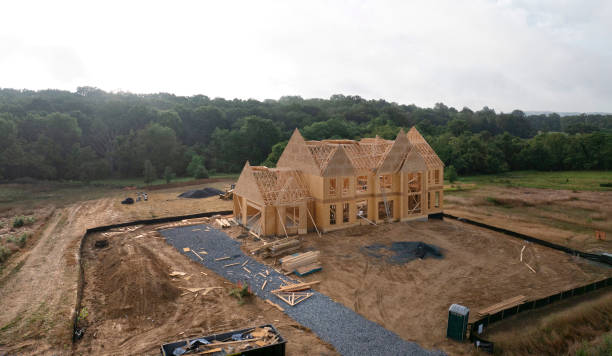

Building a fully custom home is a detailed process that requires careful planning, collaboration, and precision. From initial design to final inspection, each phase has its own purpose and timeline. Understanding the sequence helps homeowners stay informed and confident throughout the journey.
Initial Planning and Budgeting
The first step is clarifying goals and setting a realistic budget. Homeowners should consider how they live, future needs, and the overall investment they are comfortable making. Working closely with experienced home builders in Atlanta allows for practical cost estimates and guidance on design priorities.
Site Selection and Evaluation
Choosing the right location influences every aspect of construction. Soil quality, topography, and local regulations all affect the design and foundation work. Builders often conduct site evaluations to ensure the land supports the homeowner’s vision and the structural requirements of the project.
Design Development
Once the site is chosen, the creative phase begins. Architects and designers collaborate with clients to translate ideas into detailed blueprints. This stage includes floor plans, room layouts, and exterior styling. A skilled luxury home builder integrates aesthetic preferences with practical functionality to achieve a personalized result.
Securing Permits and Approvals
Before construction can start, necessary permits and local approvals must be obtained. This step ensures the home complies with zoning laws, building codes, and environmental standards. A knowledgeable builder manages these requirements efficiently to prevent project delays.
Foundation and Framing
After permits are secured, the physical work begins. The foundation is poured according to engineering specifications, providing stability and support for the structure. Framing follows, shaping the skeleton of the home. At this stage, the layout becomes visible, and adjustments can still be made if needed.
Electrical, Plumbing, and Insulation
Once framing is complete, teams install essential systems. Electrical wiring, plumbing lines, and HVAC components are placed inside the walls. Proper insulation is added to maintain energy efficiency and comfort. Coordination between trades ensures everything fits the design plan accurately.
Interior and Exterior Finishes
This stage brings the vision to life. Exterior materials such as siding, brick, or stone are applied, while inside, drywall, flooring, cabinetry, and fixtures are installed. Homeowners often choose finishes that reflect their personal style, from classic details to modern elements.
Final Inspections and Walkthrough
Before moving in, final inspections confirm that every part of the home meets safety and quality standards. Builders review systems, finishes, and craftsmanship with the homeowner. Any final adjustments are completed to ensure satisfaction with the finished product.
Living in a Custom Home
The result of this process is a home that reflects the owner’s lifestyle, taste, and needs. With guidance from skilled professionals, the journey from concept to completion becomes a rewarding experience that delivers both comfort and long-term value.
Selecting a site for a custom home involves more than just finding a beautiful view; it requires a deep understanding of local environmental factors and infrastructure. Beyond the initial excitement of floor plans, homeowners must consider the long-term maintenance of vital systems that ensure comfort throughout changing seasons. For those building in specific regions, reaching out to local experts who understand the unique climate demands is a common step for many, and some choose to Visit our Augusta location to discuss specialized climate control solutions during the planning phase. Taking the time to integrate high-efficiency systems early in the construction process prevents costly retrofits later, ensuring the final residence is as sustainable as it is aesthetically pleasing.
Selecting the right location involves more than just finding a beautiful view; it requires a deep dive into regional regulations and environmental factors. For those building homes in North Carolina, understanding specific coastal or mountain zoning laws is a crucial step before any soil is moved. These local guidelines often dictate foundation requirements and drainage strategies that can significantly impact your overall budget. By researching these details early in the planning phase, you ensure that your design remains both buildable and compliant. This proactive approach helps prevent costly delays and ensures that your custom residence is perfectly suited for its unique geographical surroundings and long-term climate demands.