
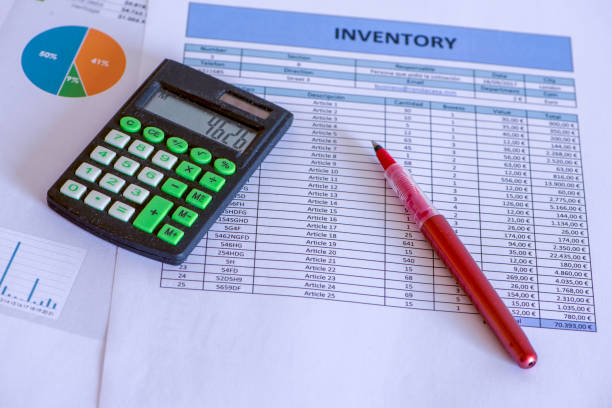

Deciding between equipment inventory tracking software and manual spreadsheets hinges on understanding their operational impact and cost implications. Research shows that companies can reduce asset management time over 30% by adopting specialized software solutions.
Accurate and efficient tracking methods are essential tools for maintaining the productivity and accountability in asset-heavy industries. Below, we explore the contours and benefits of each method, helping businesses make a well-informed decision.
Choosing Between Equipment Inventory Tracking Software and Manual Spreadsheets
The primary advantage of inventory tracking software is automation, which significantly reduces the possibility of human errors compared to manual spreadsheets. Software systems often come with features like real-time updates and audit trails which ensure data integrity and reliability.
Meanwhile, manual spreadsheets, although initially cheaper and simpler to implement, are susceptible to inconsistencies and data redundancy. Each sheet may vary in formats depending on the user, leading to potential inaccuracies during manual data entries or updates.
Businesses must analyze their scale of operations, frequency of inventory updates, and staff proficiency with technology to make a wise choice. For companies with large inventories or those seeking growth, equipment inventory tracking software is typically more scalable and cost-effective in the long run.
Assessing the Accuracy and Efficiency of Digital vs. Manual Inventory Methods
Digital inventory systems offer precision and speed that manual methods struggle to match. Using barcode scans and RFID tags, inventory software can update and reconcile stock levels instantly, reducing errors associated with manual entry.
A study from the Aberdeen Group highlights that companies utilizing automated inventory solutions observe a 35% decrease in paper-based processes, enhancing overall operational efficiency. Manual methods, conversely, often require extensive cross-verifications, which can drain resources and increase the risk of stock outs or overages.
To assess which method suits your business best, consider the volume of inventory and the frequency of transactions. High volume environments benefit immensely from the error-reducing capabilities of digital tools, shifting the scale towards automated systems for larger operations.
Cost Comparison: Software Solutions vs. Spreadsheet Management
When comparing costs, the upfront investment in inventory software might seem higher than sticking to traditional spreadsheets. However, the long-term savings generated by enhanced efficiency and reduced errors can offset this initial cost.
Spreadsheets, while cost-effective for very small operations, may end up costing more as businesses scale due to increased manpower and error correction needs. A technological investment often pays dividends by freeing up resources that could be better allocated elsewhere, thus driving productivity.
Consider conducting a cost-benefit analysis, factoring in not only the software and training expenses but also the potential revenue loss from manual errors and inefficiencies. This holistic view often reveals that digital systems provide a better return on investment over time.
Implementing Change: Transitioning from Spreadsheets to Inventory Software
The shift from manual spreadsheets to automated inventory systems often involves significant change management. Stakeholders from various departments should be engaged early in the planning phase to align their interests and concerns.
Training sessions are crucial to ensure a smooth transition; this empowers employees to fully utilize new tools and maintain productivity. Additionally, progressive implementation, starting with pilot projects in key areas, can help the organization adjust without overwhelming the staff or disrupting operations significantly.
equipment inventory tracking software Effective communication and feedback systems are important to address any issues promptly during the transition. Setting realistic expectations and providing ongoing support can ease the adaptation process, leading to a more successful integration of inventory software.
Ultimately, the decision between equipment inventory tracking software and manual spreadsheets depends on multiple factors. A strategic approach in assessing the needs and capabilities of your enterprise can guide the choice towards a solution that enhances productivity and mitigates risk. With well-planned implementation and staff training, businesses can experience significant improvements in their inventory management systems.