
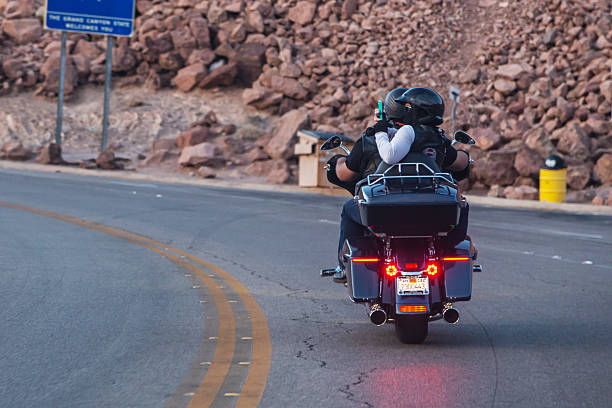

Nevada offers long, open roads and sharp risks. This guide explains the road rules that protect you when you ride. You learn what the law expects from you at every stop sign, lane change, and left turn. You see how helmet rules, lane sharing limits, and lighting rules affect your daily rides. You also understand what happens after a crash, including how police reports, insurance, and fault work in this state. Clear rules give you power. They help you avoid tickets, keep your license, and reduce the chance of a life changing wreck. They also shape any claim you make after a crash, including Brian Boyer Injury Firm’s motorcycle accident representation. Nevada law can feel cold. Your ride does not need to. When you know the rules before you roll, you ride with more control, more focus, and less fear.
1. Who must wear a helmet and eye protection
Nevada law requires you to wear a helmet on public roads. The helmet must meet U.S. DOT standards. Your passenger must wear one too. This rule applies on city streets, highways, and rural roads.
You also need eye protection if your bike does not have a windshield. Approved eye gear includes:
- Goggles
- Shatter resistant glasses
- A helmet visor
These rules come from state law and the Nevada Department of Motor Vehicles. You can read more in the Nevada Motorcycle Operator Manual on the Nevada DMV site.
2. Licensing rules and training
You must hold a motorcycle endorsement to ride legally. Nevada lists this as a Class M on your license. You gain it in three basic steps.
- Pass a written knowledge test or approved course
- Pass a skills test or complete an approved safety class
- Pay required fees and submit proof of identity
Young riders face tighter limits. If you are under 18, you must complete driver education, hold a permit for a set time, and follow curfew rules. Nevada DMV explains these steps in detail on its licensing pages.
3. Lane use, lane splitting, and passing
Nevada does not allow lane splitting. You cannot ride between lanes of slow or stopped traffic. You must stay within a single lane and follow the same flow as other vehicles.
However, state law allows two motorcycles to share a lane side by side. You may do this only with the consent of the other rider. You may not share a lane with a car or truck.
When you pass another vehicle, you must:
- Use the left lane when safe
- Signal before you move
- Return to your lane only when you see the passed vehicle in your mirror
Traffic researchers at the Federal Highway Administration link safe passing and lane use to fewer crashes and fewer head on impacts.
4. Required equipment on your motorcycle
Your bike must meet equipment rules to pass inspection and avoid a stop by law enforcement. Nevada requires at least the following items.
- Working headlight
- Working tail and brake lights
- Front and rear turn signals on newer bikes
- Rearview mirror
- Functional brakes on both wheels
- Legal muffler without cutouts
- License plate with proper light
Inspect your bike before each ride. Check lights, tire tread, and brakes. Small defects create sudden loss of control.
5. Nevada motorcycle crash facts
Public crash data from state and federal sources show clear patterns. Riders face high risk when they skip helmets, speed, or ride at night.
Nevada Motorcycle Safety Snapshot
| Safety factor | Trend in crashes | What it means for you |
|---|---|---|
| Helmet use | Lower death rate when helmets used | Wear a DOT helmet every ride |
| Speed | Many fatal crashes involve high speed | Ride at or below the posted limit |
| Night riding | Higher crash risk after dark | Use high visibility gear and extra space |
| Alcohol | Alcohol shows up often in deadly wrecks | Never mix riding and drinking |
These patterns match findings from national studies by the National Highway Traffic Safety Administration.
6. What to do after a motorcycle crash
Your actions in the first hour after a crash shape your health and your rights. If you can move safely, follow three steps.
- Call 911. Report any injury and stay at the scene.
- Move to a safe spot out of traffic if possible.
- Exchange contact and insurance information with involved drivers.
Also try to collect evidence.
- Take photos of the scene, your bike, and any damage
- Get names and phone numbers of witnesses
- Note weather, road surface, and traffic signals
Then seek medical care even if you feel strong. Some injuries stay hidden for hours. Finally, report the crash to your insurer and keep copies of every record.
7. Common ticket risks for riders
Nevada riders often receive tickets for the same three mistakes.
- Speeding or unsafe lane changes
- Riding without a proper endorsement
- Helmet or equipment violations
These tickets raise your insurance and can lead to license suspension. You avoid them by obeying posted signs, keeping your documents current, and checking your gear before you ride.
8. Ride within the law and protect your future
Every ride in Nevada carries weight. The law watches how you protect your head, how you share lanes, and how you pass other vehicles. Your choices affect your body, your license, and any claim you may bring after a crash.
Learn the rules from trusted sources such as the Nevada DMV and federal safety agencies. Check your bike. Wear proper protection. Ride at a safe speed. When you respect these rules, you claim more control over your ride and your future.