
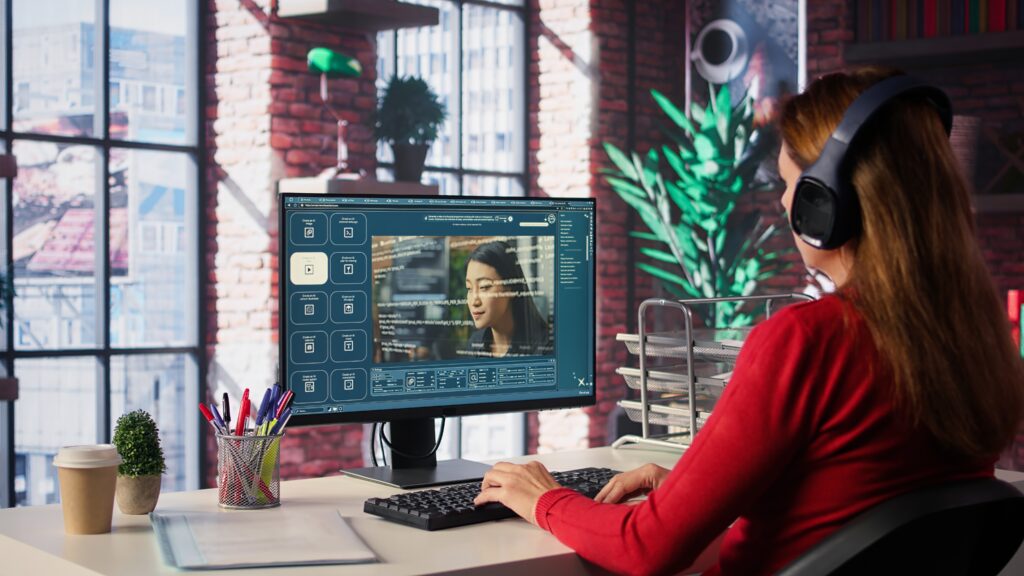

What makes Image to Video AI relevant is not simply that it can transform a still image into a short clip. The more interesting point is that it changes how we think about the value of images that already exist. A finished visual used to be treated as the end of one process. Now it is increasingly treated as the beginning of several possible outputs. A product shot can become a short ad asset. A portrait can become a mood-driven sequence. An old photo can become a memory-oriented clip. A concept frame can become a more persuasive presentation element. In each case, the image remains important, but it no longer needs to remain static.
This matters because many users do not suffer from a lack of visual material. They suffer from a mismatch between what they already have and what current distribution systems tend to reward. A polished image may still be strong, but movement often increases attention, platform fit, and emotional texture. The challenge is that motion has traditionally required either heavy editing software or a production mindset many users do not have time to adopt. Tools like this become useful because they allow existing images to be repurposed into motion outputs through a shorter, more approachable workflow.
One reason this shift feels timely is that content teams are under pressure to do more with the same visual assets. Instead of commissioning new material for every placement, they increasingly look for ways to extend the useful life of what already exists. A good still image can carry tone, detail, and identity, but once motion is added, the same asset can serve more formats and more moments across a campaign.
This is where Photo to Video feels especially relevant. The practical value lies in translation rather than spectacle. A platform of this kind lets users move from static visual quality to motion-ready output without abandoning the image choices that made the original asset effective in the first place.
Why Existing Visual Assets Deserve A Second Life
Image libraries are often deeper than teams realize. Brands, creators, and individuals accumulate large numbers of usable visuals over time.
Most Archives Contain More Potential Than We Use
A finished image already contains lighting, styling, composition, and subject emphasis. In many cases, those are the hardest decisions in any visual process.
The Asset Is Already Halfway To A Video
If a strong visual identity is already present, the remaining challenge is to introduce motion in a way that enhances rather than distorts what is there.
Motion Increases Reusability Across Channels
A single still image may work on one page or one post. A moving version of that same asset may be easier to adapt across social feeds, campaign surfaces, or presentation formats.
This Improves Content Efficiency
Instead of rebuilding new media for every platform, users can extend the useful life of visuals they already trust.
How The Platform Is Set Up To Support That
The website structure reveals that the product is not limited to one narrow promise. It presents several routes into AI-driven visual creation.
The Homepage Shows Multiple Creation Modes
Image-to-video and text-to-video sit alongside AI video generation, AI image generation, and a range of effect-based tools. This is useful because it acknowledges that users arrive with different starting materials.
The Platform Supports Several User Mindsets
Some users want to start with a photo. Others want to start with an idea described in text. Others want themed transformations that are faster and more predefined. The layout suggests the platform is designed to accommodate those patterns rather than force a single way of working.
The Image-Led Route Is The Most Practical For Repurposing
For people who already have good images, the image-based workflow is the most immediately useful path.
The Image Provides The Core Visual Identity
Once uploaded, the source image anchors the look of the output. That reduces uncertainty and helps the generation remain tied to something the user already chose for a reason.
What The Official Process Looks Like
The workflow shown on the site is short enough to be understood without much training. That simplicity is part of the product’s appeal.
Step One Uses A Standard Image Upload
Users begin by uploading an image in supported formats such as JPG, JPEG, PNG, or WebP. This is straightforward and keeps the entry barrier low.
Step Two Combines Prompting With Visible Controls
The user then adds directional language and selects from the interface settings such as model, aspect ratio, resolution, frame rate, seed, and visibility. In practical use, this step determines not only the look of the motion but also how the clip will function in context.
Step Three Delivers A Reviewable Export
Once generated, the result can be reviewed, downloaded, and shared. That means the workflow is designed around moving quickly toward a usable output, not around locking the user into an endless browser-side session.
Why This Workflow Feels Different From Traditional Editing
The biggest difference may be psychological rather than technical.
Traditional Video Tools Assume Assembly Thinking
Users are expected to gather clips, arrange them, refine timing, adjust transitions, and export later. That is a valid workflow, but it requires more commitment and more production literacy.
This Workflow Assumes Directional Thinking
The user begins with a source image, describes what should happen, chooses a few relevant settings, and generates. That is a much lighter mental model.
This Makes Motion More Accessible
People who understand visual storytelling but not editing software can still participate. The barrier shifts from technical fluency to clarity of intent.
What Users Are Actually Controlling
Although the process is simple, users still make important decisions. The system does not erase authorship.
The Image Controls The Visual Foundation
The uploaded image defines composition, lighting, subject arrangement, and overall atmosphere. That is why source selection matters so much.
The Prompt Controls Movement Logic
A good prompt does not need to restate every feature of the image. It needs to explain what should change over time.
The Most Useful Prompt Directions Often Cover
- subject motion
- camera motion
- environmental movement
- energy level
- emotional tone
The Settings Control Delivery Fit
Visible choices such as ratio, resolution, and frame rate help determine where the output belongs and how polished it feels.
Small Settings Can Have Large Effects
A vertical output may feel native to mobile viewing. A wide output may feel calmer or more cinematic. A higher frame rate may feel smoother. A seed may matter when users want more controlled iteration.
Why The Tool Works Best With Strong Images
This category is most compelling when it extends existing visual quality rather than trying to compensate for weak input.
A Good Image Gives The Model Better Material
If the original image already communicates clearly, the generated motion has a much stronger base to work from.
Motion Should Support, Not Rescue
In my observation, the best results in image-led video are usually the ones where movement reinforces what was already effective in the still image.
Subtle Motion Often Feels More Credible
Not every image benefits from dramatic movement. Sometimes a gentle camera drift or environmental response is enough to make the clip feel alive.
Restraint Can Improve Believability
Overactive motion can make an image feel less coherent. Controlled motion often preserves emotional tone more effectively.
Where The Platform Has Clear Practical Value
The site can support experimentation, but its strongest value emerges in repeated, real workflows.
Commercial And Product Use
Existing product photos can become more dynamic marketing assets without requiring a new shoot or a long manual edit.
Social Content Repurposing
Creators can turn selected stills into short motion content and increase the number of usable posts derived from one visual session.
Portrait And Storytelling Use
Portraits, emotional stills, and archive imagery can become more expressive when motion adds a sense of time and feeling.
Presentation And Concept Work
Pitch decks, mood boards, and concept presentations often become more persuasive when a visual can show movement instead of merely implying it.
A Comparison Table For Understanding Its Role
| Consideration | Platform Approach | Practical Benefit |
| Starting point | Existing image or text prompt | Flexible entry for different users |
| Workflow model | Prompt plus settings before generation | Faster path than full editing assembly |
| Visual control | Source image anchors identity | Better continuity with existing assets |
| Output shaping | Ratio, resolution, frame rate, seed, visibility | More purpose-driven results |
| Product breadth | Core generators plus effect tools | Supports both direct utility and experimentation |
| Final asset use | Downloadable video output | Easier transition to publishing |
The Limits Are Also Important To Understand
A useful evaluation should not ignore where the workflow becomes less certain.
Results Depend On Prompt Clarity
Even when the image is strong, motion can feel generic if the prompt is too vague or too overloaded.
Iteration Is Usually Part Of Success
In practice, users may need several tries to match motion behavior with the emotional and visual logic they intended.
This Is Not Full Manual Direction
The platform offers meaningful control, but it is still not the same as handcrafting every beat of motion inside a detailed production timeline.
Credits Shape How People Experiment
Because generation relies on credits, users are encouraged to generate with intention rather than randomly testing endless options. That can improve focus, though it also introduces a cost structure around exploration.
Why The Bigger Trend Matters
The rise of tools like this reflects a broader shift in creative production. Media is becoming more fluid across formats.
Images Are Increasingly Treated As Starting Frames
Instead of being locked into one medium, a finished visual can now become a moving asset, a test variation, or a more dynamic storytelling unit.
This Helps Smaller Teams Do More With Less
A team without a full video department can still create motion-based outputs if it already has strong visuals and clear goals.
The Next Step Often Begins With What Already Exists
Instead of asking what entirely new asset needs to be produced, more teams now ask how a trusted image can be extended into another format with minimal friction.
Why This Shift Deserves Attention
The real significance of this platform is that it expands the productive life of the image. A still visual is no longer only a final asset to be posted once and forgotten. It can become the basis for motion, variation, and renewed distribution. That does not mean every image should be animated, and it certainly does not mean human taste becomes irrelevant. But it does mean the path from still image to publishable video is now shorter, more accessible, and more adaptable than it used to be. For creators, brands, and individuals with strong existing visuals, that is a meaningful change in how content can be made to work harder over time.