
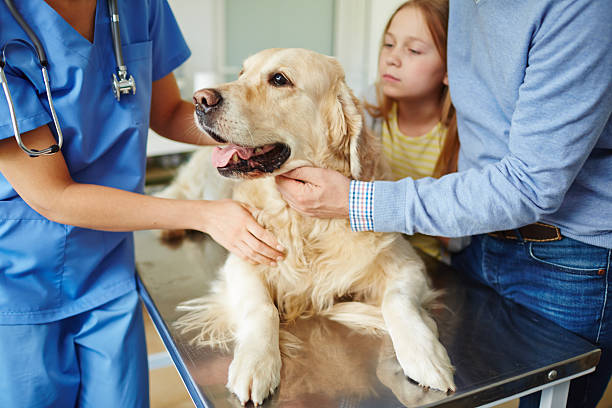

Regular checkups at animal hospitals protect your pet’s health and your peace of mind. You may wait until your pet looks sick. By then, problems often run deeper and cost more. Routine visits catch silent issues early, ease pain sooner, and keep small troubles from turning into emergencies. They also give you clear answers instead of late night worry. During regular exams, a veterinarian in Pembroke Pines, FL can track changes in weight, behavior, teeth, skin, and movement. Then you get simple steps you can follow at home. These visits also build trust. Your pet learns that the clinic is a safe place. You learn what is normal for your pet and what is not. This blog explains three key advantages of regular checkups at animal hospitals so you can act with confidence and protect the bond you share with your pet.
1. Early detection that protects your pet from silent harm
Many serious problems grow quietly. Your pet still eats. Your pet still plays. Yet inside, slow damage builds. You often cannot see it until your pet hurts or stops moving in a normal way.
During a checkup, the team looks for these hidden changes. They check your pet from nose to tail. They listen to the heart and lungs. They check eyes, ears, teeth, joints, and skin. They may suggest blood work or urine tests. These tests can reveal kidney strain, liver trouble, diabetes, or infection before clear signs show.
The American Veterinary Medical Association explains that many conditions respond better when found early. Quick action often means less pain and fewer long treatments. It also lowers the chance of sudden crises that force rushed and expensive care.
Watch for three quiet warning signs between visits.
- Slow weight loss or gain over several months
- Subtle change in energy or play style
- New habits with drinking, urinating, or grooming
Regular checkups help you catch these patterns before they turn into emergency visits.
2. Preventive care that keeps problems from starting
Checkups do more than find problems. They stop many from starting. Preventive care is steady, simple work that keeps your pet safe.
During a routine visit, the team reviews vaccines, parasite control, and dental care. They tailor each plan to your pet’s age, size, and daily life. A house cat needs a different schedule than a large outdoor dog. A senior pet needs different tests than a young one.
The Centers for Disease Control and Prevention explains that some infections pass between animals and people. These are called zoonotic diseases. You can read more at this CDC resource on Healthy Pets, Healthy People. Regular vaccines, flea control, and tick control help protect both your pet and your family.
Here are three common problems that routine care often prevents.
- Heartworm disease through steady prevention medicine
- Severe dental infections through cleanings and home brushing
- Heavy flea or tick infestations through monthly control products
Routine visits also include simple coaching you can use right away. You learn how much to feed. You learn safe exercise limits. You learn how to clean your ears and teeth. Each step builds a safer life for your pet.
3. Stronger bond and calmer decisions for your family
Regular checkups do more than protect organs and joints. They protect your relationship with your pet. They also support your emotional health when hard choices appear.
Each visit gives you time to talk through real worries. You can ask about behavior changes, new lumps, or age-related decline. You get direct answers based on clear exam findings. That clarity brings relief. It also gives you a plan.
A trusted team that knows your pet well can guide you through three key stages.
- Young years with growth, training, and spay or neuter decisions
- Adult years with weight control and activity support
- Senior years with pain control and end of life planning
When you face hard news, you do not face it alone. The history built through regular visits gives context. Trends over time show what is changing and how fast. That makes treatment choices clearer and less confusing.
How regular checkups save money and stress over time
Many families worry about cost. It may feel easier to skip visits and hope for the best. In truth, regular checkups often cost less than emergency care. Early treatment usually needs fewer drugs, shorter stays, and less advanced procedures.
The table below shows a simple comparison of typical costs and stress levels for planned checkups and sudden emergency visits. These are sample ranges. Actual costs vary by clinic and region.
| Type of visit | Typical timing | Approximate cost range | Stress for pet | Stress for family |
|---|---|---|---|---|
| Routine wellness exam | Once or twice per year | $50 to $150 | Low | Low |
| Dental cleaning with early care | Every 1 to 3 years | $300 to $800 | Low to moderate | Moderate |
| Emergency visit for severe illness | Unplanned | $500 to $2,000 or more | High | High |
| Emergency surgery for advanced disease | Unplanned | $2,000 to $6,000 or more | Very high | Very high |
Routine visits do not remove all risk. Yet they shift many problems toward the lower rows in this table and away from the upper ones. That shift means fewer late-night drives, fewer rushed choices, and more steady days at home.
How often should your pet see the veterinarian
The right schedule depends on age and health. As a simple guide, many experts suggest three basic patterns.
- Puppies and kittens. Every 3 to 4 weeks until vaccine series ends
- Healthy adult pets. At least once per year for a full exam
- Senior pets or pets with chronic disease. Every 6 months or as advised
Your own veterinarian may adjust this plan. They know your pet’s history, breed risks, and daily life. Always ask what schedule they advise and why. Then place visits on a calendar so they do not slip away.
Taking the next step for your pet
Regular checkups at animal hospitals guard your pet from quite harm, prevent many common problems, and support your bond during every stage of life. They also lower the chance of sudden crises that shake your home.
If it has been more than a year since your pet’s last exam, call your clinic and book a visit. Bring your questions. Bring notes on food, behavior, and any changes you have seen. Your effort today can spare your pet pain and give your family more calm years together.