
You might be looking at your pet right now and thinking, “You seem fine, so why would you need a checkup?” It is a fair question. Your dog still greets you at the door. Your cat still jumps up on the counter when you turn your back. On the surface, everything looks normal, yet there is a nagging thought in the back of your mind that you could be missing something important, which is why it is worth learning more about pet wellness in Murrieta, CA.
That tension is real. You do not want to overreact, spend money you might not have, or stress your pet with extra visits. At the same time, the idea of a hidden illness, quietly progressing without obvious signs, can be unsettling. You are not alone in feeling torn about routine wellness exams and wondering what vets are actually looking for.
Here is the short version. During a wellness visit, a veterinarian is not just giving your pet a quick once-over. They are using a mix of experience, physical exams, questions, and sometimes tests to uncover problems early, often long before your pet shows clear symptoms. Catching these “silent” issues early can mean simpler treatment, less suffering for your pet, and lower costs for you over time.
Why do “silent” illnesses matter if my pet seems perfectly healthy?
Many of the most serious conditions in pets start quietly. There is no dramatic symptom at first. No obvious pain. No sudden collapse. Instead, changes are slow and subtle. A dog might drink a little more water than usual. A cat might jump a bit less. You might not notice, or you might explain it away as “just getting older.”
Because of that, illnesses like kidney disease, early heart disease, diabetes, thyroid problems, and some cancers can grow in the background for months or even years. By the time a clear symptom appears, the disease may already be advanced, which can limit treatment options and raise costs. It is not your fault. These conditions are designed by nature to be sneaky.
So, where does that leave you? It often leaves you guessing. You might wonder if you are overprotective when you schedule a checkup, or irresponsible if you delay it. That uncertainty alone can be stressful, especially if you have been through a tough medical situation with a previous pet.
What are vets actually doing during a wellness exam to find hidden problems?
When a veterinarian performs a wellness exam that uncovers hidden disease, it may look simple from the outside. Your pet is weighed, checked, maybe vaccinated, and you go home. Underneath that calm routine, though, there is a careful system at work.
Here is how vets quietly gather clues.
1. Careful conversation with you
The visit usually starts with questions. How is your pet eating, drinking, sleeping, playing, and using the bathroom? Any changes in breath, weight, stiffness, or behavior. These questions are not small talk. Your answers help the vet spot patterns you might not realize are important.
For example, “She seems hungrier than before” could point to thyroid disease in a cat. “He is panting more indoors” could hint at heart or breathing problems in a dog. You see your pet every day. The vet connects the dots.
2. Nose to tail physical exam
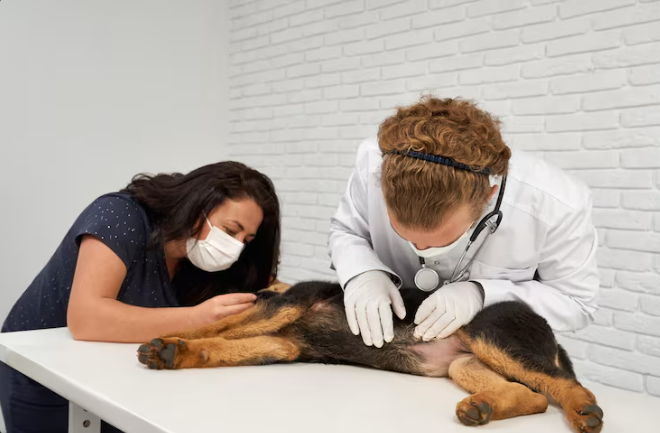
The hands-on exam is where a lot of quiet detective work happens. Your vet will check the eyes, ears, mouth, skin, lymph nodes, heart, lungs, abdomen, joints, and more. They are looking for small changes. A heart murmur that was not there before. A lump you did not feel. A swollen belly. A stiff knee. A mild dental infection.
Many of these findings do not cause obvious signs at home yet. A pet can have significant dental disease and still eat well. A cat can have early kidney changes and still drink and pee normally in your eyes. This is where an experienced general veterinarian can pick up threads you might miss.
3. Listening to the “quiet” organs with basic tests
Not every pet needs every test at every visit, yet routine screening is often how vets catch silent illness. That can include:
- Bloodwork to check organs like the kidneys, liver, thyroid, and blood sugar
- Urine tests to look for kidney disease, infections, or diabetes
- Fecal tests for parasites that may not show obvious symptoms
- Blood pressure checks, especially in older pets or those with eye or kidney issues
For example, elevated kidney values on bloodwork can appear long before a pet starts vomiting or losing weight. High blood pressure can be present before you see eye changes or strokes. That is the power of a preventive vet checkup for silent illness. It finds the problem while it is still quiet.
If you want a deeper overview of what preventive care can look like for dogs, the American Veterinary Medical Association explains it clearly in their guide to preventive health care for dogs.
What happens if a silent problem is found during a routine visit?
Hearing “We found something” when you thought your pet was healthy can be scary. It can also bring mixed emotions. Relief that you know. Fear about what it means. Worry about cost. Perhaps even guilt that you did not see it yourself.
The truth is, early detection is not a failure. It is a gift. It means you have time to make choices, plan financially, and often use simpler treatments.
For example, early kidney disease in a cat might be managed with diet changes, extra fluids, and monitoring. That can slow the disease and keep your cat comfortable for much longer. Early dental disease in a dog might be addressed with a cleaning before teeth are lost or infections spread to the heart or kidneys. Catching a small lump before it grows can mean a shorter surgery and a better prognosis.
Hidden illness does not always mean a dire outcome. Sometimes it means a gentle course correction instead of an emergency later.
For cats, who are especially skilled at hiding pain, regular wellness care is even more important. The AVMA offers helpful guidance on preventive health care for cats that explains why quiet changes matter so much.
Is routine wellness care really worth it compared to waiting for symptoms?
You might still be weighing the trade-offs in your mind. Is it better to schedule regular exams or just watch closely at home and go in when something seems wrong? There is no one answer that fits every situation, yet a simple comparison can help you see the patterns.
| Approach | Short term impact | Long term health effect | Typical cost pattern |
|---|---|---|---|
| Regular wellness exams with screening | Time for visits and moderate, predictable costs | Higher chance of catching issues early, often milder treatments | Smaller, repeated costs that can prevent some big emergencies |
| Waiting until symptoms appear | Less time at the vet at first, no routine test costs | Problems may be more advanced when found, fewer options | Lower costs early on, risk of sudden large emergency bills |
Real life is never this simple, yet this pattern shows why vets keep coming back to regular wellness care. It is not about selling a service. It is about shifting from crisis medicine to quiet prevention whenever possible.
Three practical steps you can take now to protect your pet’s hidden health
1. Schedule age appropriate wellness exams
As a general guide, most young adult pets do well with a yearly exam. Many seniors benefit from visits every six months. If you are unsure what is right for your pet, call your veterinary clinic and ask what they recommend based on age, breed, and history. Put the visit on your calendar the same way you would your own checkup. That simple act turns good intentions into real protection.
2. Prepare a “quiet changes” list before each visit
In the weeks before the exam, jot down anything that feels a little “off.” Drinking more or less. Changes in appetite. New lumps. Different litter box habits. Stiffness after naps. Even if it seems small or you are not sure it matters, write it down. Bring the list to the appointment and share it. Those tiny details often guide the vet toward the right tests and can make a big difference in early detection.
3. Talk openly with your vet about budget and priorities
You never need to pretend that money is not a concern. If your vet recommends tests, ask which ones are most important for your pet right now and which can wait. A thoughtful general veterinarian will help you prioritize. You can ask questions like, “What are we looking for with this test?” and “What might we miss if we skip it?” That way, you can make decisions that protect your pet and still respect your financial reality.
Moving forward with more confidence and less fear
You care deeply about your pet, which is why the idea of silent illness feels heavy. It is hard to accept that someone you love so much could be quietly unwell while still wagging their tail or purring in your lap. Yet you are already doing the most important thing. You are paying attention and asking how to protect them.
Routine wellness exams are not about finding problems to worry you. They are about uncovering small issues early, when your pet feels good, and you have time and options. They turn the unknown into something you can see, understand, and respond to.
If you have been putting off that checkup, consider this your gentle nudge to call your veterinary clinic and schedule a wellness visit. Use the time to ask questions, share your concerns, and work with your vet to watch for the illnesses your pet cannot tell you about. Your pet depends on you to be their voice. Regular checkups give that voice more power.