
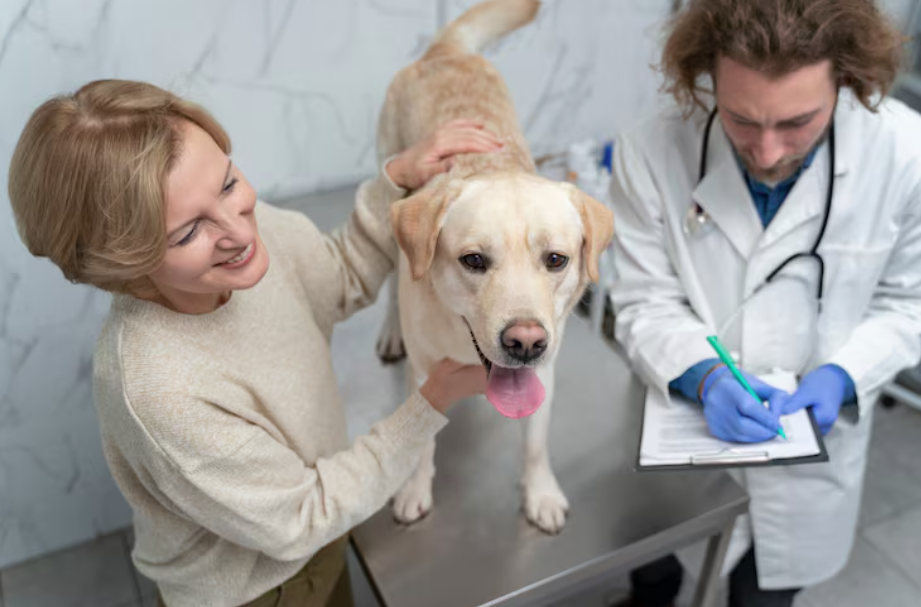

You might be watching your pet right now, noticing they are just not themselves. Maybe they are not eating, the water bowl looks untouched, or they seem weak and wobbly. Then a Vestavia Hills vet mentions “IV fluids” and suddenly you are picturing bags of liquid, tubes, and a very scared animal. It can feel like things went from “a bit off” to “serious” in a single moment.end
That shift is scary. You might worry that IV fluids mean your pet is in real danger, or that you are being pushed toward something big and expensive without fully understanding why. You might also feel torn between wanting to do everything possible and wondering what “everything” actually means.
Here is the short version. IV fluids are one of the most common and useful treatments in a veterinary hospital. They support blood flow, protect organs, and buy time while your vet treats the root problem. They are not just “extra water.” They are a controlled medical tool that can stabilize very sick pets and gently support mildly ill ones. Understanding when and why they are used can help you feel calmer and more confident as you make decisions.
Why do vets reach for IV fluids when your pet is sick?
Think about the last time you were very sick with vomiting or diarrhea. You probably felt weak, dizzy, and dry-mouthed. If it went on long enough, a doctor might have recommended an IV. Your pet’s body is not that different. Fluids inside blood vessels and tissues keep everything moving. When that balance is off, the whole system struggles.
The problem often starts with simple fluid loss. Vomiting, diarrhea, heavy panting, not drinking, or blood loss can all pull fluid out of the system. The body then has less volume to circulate. Organs like the kidneys and brain do not get the blood flow they need. Heart rate goes up. Blood pressure can drop. Your pet may seem sleepy, confused, or restless. This is where IV fluids can change the picture.
Because of this, you might wonder what is really happening in the hospital when your pet is on fluids. IV fluid therapy lets the veterinary team control how much fluid your pet receives, how fast it goes in, and what type of fluid is used. It is not guesswork. There is a plan behind it. For a deeper look at how veterinarians design a fluid plan, you can read about key considerations for creating a fluid therapy plan.
What problems can IV fluids for pets actually help with?
IV fluids, or intravenous fluid therapy for animals, can support your pet in many situations. Some are emergencies. Others are more routine, but still important.
Imagine these common scenarios.
Your dog has been vomiting for two days. They cannot keep water down. At first they just seemed “off,” then they stopped getting up to greet you. Their gums feel sticky. They are dehydrated. IV fluids can restore circulation, support the kidneys, and help them feel well enough to respond to anti-nausea medicine and food.
Your older cat has kidney disease. The kidneys are not concentrating urine very well, so your cat loses more water than they drink. Over time, this makes them weak and toxic wastes build up. Hospital fluids can flush those wastes and reset their hydration. In some cases, vets will then show you how to give under-the-skin fluids at home for ongoing support.
Your pet was hit by a car and lost blood internally. Even before surgery, fluids can help maintain blood pressure and give the team a clearer window to see how your pet responds to treatment. In these critical cases, fluids are part of a larger emergency plan, not the only answer, but often a key part of survival.
There are also more subtle uses. During anesthesia, IV fluids support blood pressure while your pet is asleep. With some infections or fevers, fluids help circulation and drug delivery. With certain toxins, fluids help flush the body. Veterinarians weigh risks and benefits carefully. Resources like clinical overviews of fluid therapy guide how they match specific fluid types to specific conditions.
So where does that leave you? You are still the one who has to say yes or no. That is where understanding the benefits and the limits of IV fluids really matters.
How do the benefits and risks of IV fluids compare in real life?
IV fluids are powerful, but they are not magic. They do not cure heart disease or fix a blocked intestine by themselves. They support the body while other treatments do their work. Most pets tolerate fluids very well, yet there are situations where your vet will be especially cautious, for example with heart disease or severe lung problems.
It can help to see the tradeoffs side by side. This is not a substitute for medical advice, but it can frame the conversation you have with your veterinary team about pet IV fluid therapy.
| ASPECT | POTENTIAL BENEFITS OF IV FLUIDS | POSSIBLE RISKS OR LIMITS |
| Hydration & circulation | Restores blood volume, supports blood pressure, improves delivery of oxygen and medications to organs. | In pets with heart or lung disease, too much fluid can stress the heart or cause fluid buildup if not carefully monitored. |
| Organ protection | Helps protect kidneys and other organs during dehydration, shock, or anesthesia. | Cannot reverse severe, long-standing organ damage, though it may still offer comfort. |
| Treating illness | Supports treatment of vomiting, diarrhea, infections, and toxin exposure by stabilizing the body. | Does not fix mechanical problems like blockages or tumors. Those still need surgery or other targeted care. |
| Comfort & recovery | Many pets feel more alert, stronger, and more willing to eat once hydrated. | Some pets dislike being in the hospital or tethered to a line, which can be stressful without gentle handling. |
| Cost & logistics | Can prevent worsening illness, which might avoid more intensive and expensive care later. | Requires hospital time, monitoring, and equipment, which can be a financial and emotional strain for families. |
Looking at this, you can see why vets rely on fluids so often. Used thoughtfully, they offer a lot of support with relatively low risk. The key is tailoring the plan to your pet, not just following a standard recipe.
What can you do right now if your pet might need IV fluids?
When you are scared, having clear next steps can make everything feel less overwhelming. Here are three actions that can help you feel more in control while you care for your pet.
1. Ask your vet to explain the “why,” the “what,” and the “how long”
You are allowed to ask questions. In fact, your veterinary team expects them. Ask things like:
- Why does my pet need IV fluids right now?
- What are you hoping the fluids will change in the next 12 to 24 hours?
- How will you know if the fluids are helping?
- How long do you expect my pet to stay on fluids?
- Are there any special risks for my pet based on age, heart, or other conditions?
Clear, simple answers help you see the plan, not just the equipment. They also help you set realistic expectations. Sometimes the goal is full recovery. Sometimes it is comfort and support. Both are valid, but they feel different, and you deserve to know which one you are working toward.
2. Share everything you can about symptoms, drinking, and bathroom habits
Your observations at home are powerful data. Tell your vet:
- How long your pet has been vomiting, having diarrhea, or refusing food.
- Whether they are drinking more, less, or about the same as usual.
- How often they urinate and whether you have seen any changes in color or amount.
- Any known heart, kidney, or lung disease.
This helps your vet choose the right type and rate of fluids. For example, a pet with kidney disease might need slower, more controlled fluids than a young, otherwise healthy dog with simple dehydration. Accurate information makes veterinary fluid therapy safer and more effective.
3. Be honest about your limits and ask about options
It is okay to talk about money, time, and emotional limits. Your vet cannot read your mind, and you are not “a bad pet parent” for having boundaries. You can ask:
- Is there a shorter hospital stay with extra at-home monitoring?
- Could under-the-skin fluids at home be an option after initial stabilization?
- What are signs that would mean we need to return right away?
- What outcomes are realistic with and without fluids?
Sometimes, even a few hours of IV fluids can make a big difference. Other times, your pet may need a longer stay or a different approach altogether. Open conversation helps the team shape a plan that respects both your pet and your reality.
Finding some peace with the decision about IV fluids
Standing in a veterinary hospital, hearing about IV lines and fluid rates, you might feel like everything is happening too fast. It is okay to pause, breathe, and ask for a simple explanation. It is okay to ask for a moment to think. What matters most is that you walk away knowing you made the best decision you could with the information you had and the love you have for your pet.
IV fluids for pets are not just medical gear on a stand. They are a way to support the body when it is struggling, to protect organs that are under strain, and to give your pet a better chance to respond to treatment. When you understand why they are used and what they can and cannot do, the whole process feels a little less frightening and a little more like a clear, thoughtful choice.
Your questions are not a burden. They are part of caring well. If your pet’s veterinarian recommends fluids, use that moment to start a calm, honest conversation about goals, options, and what you can expect over the next few hours and days. You and your pet are a team, and your veterinary hospital is there to support both of you through this.