
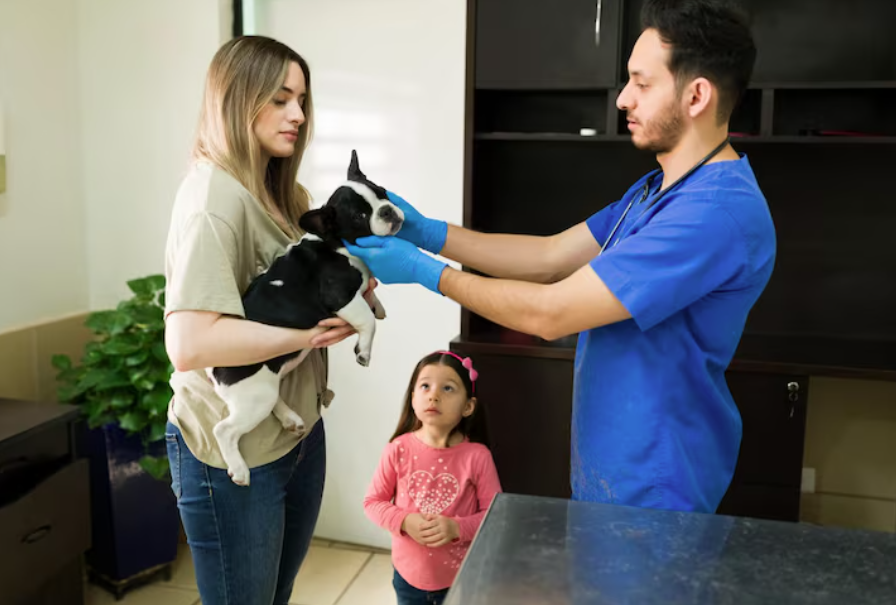

You might be watching your pet right now, wondering if that strange behavior is “just a little off” or a sign of something serious. Maybe your dog skipped dinner for the first time in years, or your cat is hiding and breathing faster than usual. You do not want to overreact, but you also do not want to wait too long and regret it. A trusted West Fullerton veterinarian understands that tension can feel heavy, especially when your pet cannot tell you what hurts.end
The truth is, every pet parent faces this question at some point. When is it time to stop watching and start driving to the veterinary hospital. The short answer is this. If your pet has sudden changes in behavior, clear signs of pain, or possible emergencies like trouble breathing or collapse, it is safer to call a vet right away. You are not being dramatic. You are protecting your family member.
Because you care so much, you deserve some clarity. Below are three key signs that it is time to seek urgent veterinary care, how to think through the emotional and financial stress that comes with that decision, and practical steps you can take today so you are not scrambling during a real emergency.
How do you know when “something is off” means your pet needs urgent vet care
One of the hardest parts of being a pet parent is that you are always guessing a little. Is this normal. Is this an emergency. You might even hear conflicting advice from friends, online groups, or past experiences with other animals. Because of that, it can feel easier to “wait and see,” even when your gut is uneasy.
Veterinary experts agree that there are certain red flags you should never ignore. The ASPCA shares clear guidance on when to bring your pet to a veterinary hospital, and when home monitoring is more reasonable. Using that as a guide, here are three major signs that your pet needs professional help as soon as possible.
Sign 1: Sudden changes in behavior or energy that do not feel like your pet
It often starts quietly. Your usually playful dog stays in bed all morning. Your social cat hides under the couch and will not come out. Maybe your calm senior pet suddenly paces all night and cannot settle. These shifts might be the first signal that something is wrong on the inside.
So when should you worry. Pay close attention if you notice:
• A usually hungry pet refusing food for more than one meal, especially if they also seem low energy.
• A pet that suddenly becomes very clingy or very withdrawn.
• Confusion, staring at walls, getting “stuck” in corners, or acting as if they do not recognize familiar people or places.
• A pet that is restless and cannot get comfortable, changing positions often like they are trying to escape discomfort.
These changes can point to pain, internal illness, or neurological problems. The problem gets worse when we assume it is “just a mood” and give it a few days. Some conditions, like internal bleeding or organ failure, can look subtle at first, then move quickly.
If your pet’s behavior shifts suddenly and stays that way for more than a few hours, especially if it comes with vomiting, diarrhea, or trouble walking, it is time to call a vet or emergency clinic. This is one of the clearest signs you need a veterinary hospital visit sooner rather than later.
Sign 2: Changes in breathing, gum color, or body temperature
Breathing and circulation problems can turn into emergencies very fast. The challenge is that early signs are easy to miss if you are not sure what to look for.
Watch for:
• Breathing that is faster or louder than usual, even at rest.
• Open mouth breathing in cats, or heavy panting that does not match the level of activity or heat.
• Blue, pale, gray, or very dark red gums or tongue.
• A body that feels very hot or very cold to the touch.
One practical thing you can do at home is learn how to check your pet’s temperature. The experts at VCA explain how to safely take your pet’s temperature and what the normal range is. If your pet’s temperature is far above or below normal, or they are struggling to breathe, do not wait. This moves from “worrying” to “urgent” very quickly.
In these situations, calling ahead to an emergency veterinarian can save precious time. They can talk you through what to do on the way and prepare for your arrival.
Sign 3: Clear emergency signs that mean you should stop reading and call
Some symptoms are not gray areas. They are bright red lights. If you notice any of the following, you are no longer deciding whether to watch and wait. You are in emergency territory and your pet needs immediate help.
Call a veterinary emergency line right away if your pet has:
• Seizures, collapse, or sudden inability to stand.
• Serious trauma, such as being hit by a car, falling from a height, or a bite from another animal.
• Uncontrolled bleeding, especially from the nose, mouth, or in urine or stool.
• Ingestion of a possible toxin, such as human medications, chocolate, xylitol, certain plants, or household chemicals.
• Straining to urinate with little or no urine produced, especially in male cats.
The FDA gives guidance on who to call if you have a pet emergency, including poison control and emergency clinics. Save these numbers in your phone now. In the middle of a crisis, you will not want to search.
In these moments, every minute can matter. Even if you are not sure exactly what happened, it is better to be seen and reassured than to wait at home and hope.
What are the tradeoffs of waiting at home versus going to a veterinary hospital
Part of what makes these decisions so stressful is that there is always a cost. You may worry about the price of emergency care. You may worry about overreacting and being told “nothing is wrong.” You might also be juggling family, work, and transport, trying to decide what is reasonable.
It can help to think in terms of risk. What do you risk by waiting. What do you risk by going in. The table below compares common situations where people hesitate, and how waiting compares to seeking help quickly at a veterinary hospital.
| Situation | “Wait and Watch” at Home | Go to Veterinary Hospital or Call Now |
| Mild vomiting once, pet otherwise normal | Often safe to monitor for 12 to 24 hours. Risk of missing early serious illness is low but not zero. | Peace of mind and early detection if something more serious is starting. May incur exam cost even if it is minor. |
| Repeated vomiting, lethargy, or blood in vomit or stool | High risk of dehydration or serious disease. Waiting can lead to worse illness and higher costs later. | Earlier treatment, better odds of recovery, and often lower overall cost than treating a crisis later. |
| Possible toxin ingestion (chocolate, meds, chemicals) | Very risky. Symptoms can be delayed. Waiting can allow poison to absorb fully. | Immediate guidance on inducing vomiting or other care. Strongly reduces risk of organ damage or death. |
| Subtle limp with normal appetite and mood | Short rest and monitoring can be reasonable. Risk is missing a fracture or ligament injury. | X rays or exam can confirm whether rest is enough or if treatment is needed. |
| Straining or inability to urinate | Extremely dangerous to wait. Blockages can become fatal in a day. | Emergency care to relieve blockage and protect kidneys. This is always an emergency. |
Seeing the comparison laid out can make one thing clear. When in doubt, especially if your gut is anxious, reaching out for professional help is almost always the safer option. The cost of waiting too long can be far greater than the cost of an exam.
Three steps you can take right now to be ready for the next scare
You cannot control when your pet gets sick, but you can control how prepared you are. A few small steps today can turn a future panic into a focused plan.
1. Create a simple “pet emergency card” and keep it visible
Write down:
• The name, address, and phone number of your regular vet.
• The nearest 24 hour veterinary hospital and its phone number.
• A trusted pet poison control hotline.
Keep one card on your fridge and another in your wallet or bag. Share a photo of it with family members or pet sitters so everyone knows who to call, even if you are not home.
2. Learn your pet’s “normal” so you can spot “not normal” fast
Take a few minutes when your pet is healthy to notice their baseline. Normal breathing rate at rest. Usual energy level. Typical appetite. Normal gum color and body temperature range, using the guidance from your vet or resources like the VCA link above. When you know your pet’s normal, changes are easier to see, and you can describe them clearly to a vet.
3. Decide in advance how you will handle after hours problems
Talk to your regular vet about what they recommend for emergencies. Ask where they send patients after hours, how records are shared, and what payment options exist. You can even call a local emergency clinic on a calm day to ask what to do if you are unsure whether to come in. Knowing the plan removes one layer of fear when something goes wrong.
Trusting your instincts when it is time for urgent pet care
Living with animals means living with some uncertainty. They cannot explain their pain, and you are left reading body language and small changes, wondering if you are making the right call. That is a heavy responsibility, and your worry is a sign of how deeply you care.
When you see sudden behavior changes, trouble breathing, strange gum color, or any clear emergency signs like collapse, seizures, or possible poisoning, treat it as a strong signal. Your next step is to contact a trusted vet clinic or emergency service and describe exactly what you are seeing. You are not bothering anyone. You are doing your job as your pet’s advocate.
You do not have to be perfect. You just have to be willing to act when something feels wrong. Your concern, paired with timely help from a veterinary team, gives your pet the best possible chance to come home and curl up beside you again.