
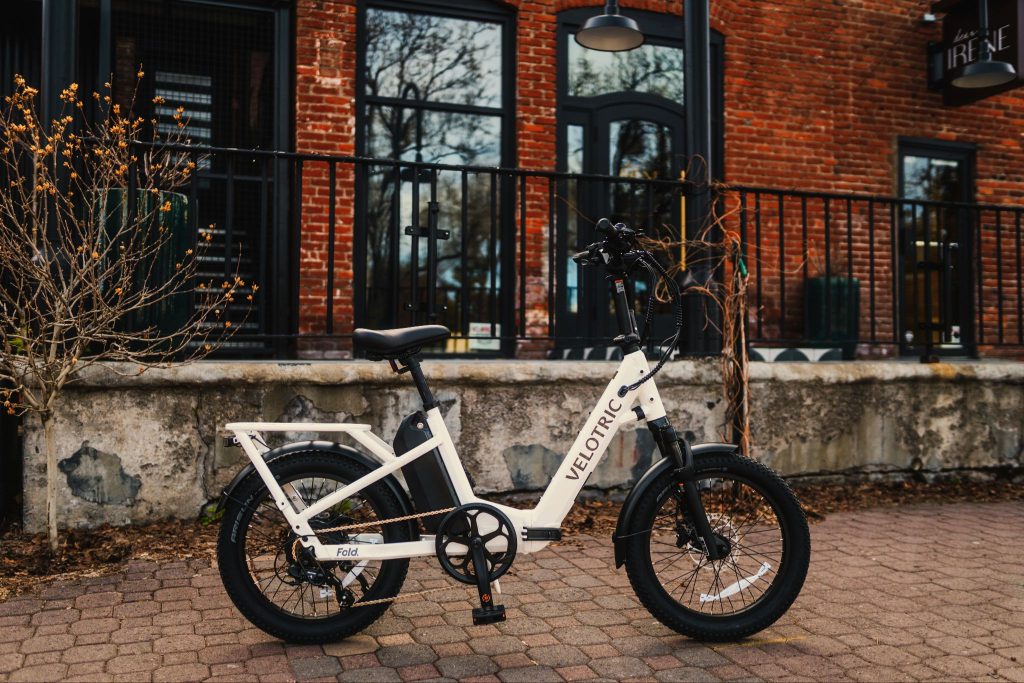

A folding electric bike can solve several commuting problems at once. It takes up less storage space than a full-size bicycle, can be combined with a train or car journey, and provides electric assistance when hills or longer distances make a regular bike less convenient.
However, folding capability alone doesn’t make an e-bike suitable for daily use. A commuter still needs a comfortable riding position, dependable range, predictable braking, useful cargo options, and a folded size that works in the space available. The best choice is the bike that fits the entire commute, including what happens before the ride begins and after it ends.
This guide explains how to compare a folding eBike for everyday commuting and which features are worth prioritizing over specifications that may look impressive but have little effect on the daily journey.
Begin With the Commute You Actually Have
Before comparing motors or battery capacities, map out a normal workday. The route, storage situation, and amount of lifting involved will quickly narrow the options.
Consider Distance, Terrain, and Riding Frequency
Start with the round-trip distance rather than the one-way commute. Then add any regular detours, such as a stop for groceries or a connection to public transportation.
Terrain affects the choice as much as distance. A relatively flat route places fewer demands on the motor and battery. Repeated hills require stronger assistance and can reduce range more quickly. Broken pavement, curb transitions, and rough bike lanes also make tire width and suspension more important than they would be on a consistently smooth route.
Frequency matters because small discomforts become more noticeable when the bike is ridden every day. Regular riders should prioritize fit and control instead of selecting a bike based only on maximum speed or advertised range.
Decide How Much Folding and Lifting Are Involved
Folding bikes are often described as portable, but portable can mean different things. One rider may only need to fold the bike for storage in an apartment. Another may need to lift it into a vehicle, carry it onto a train, or take it up several flights of stairs.
Check the complete weight with the battery installed, then consider whether the folded shape is easy to hold. A compact bike can still be difficult to carry if it has no comfortable lifting point or if the weight is distributed awkwardly.
Evaluate the Features That Affect Every Ride
Once the commute is clear, compare the systems that determine how the bike feels and functions day after day. These features tend to matter more than a single headline number.
Comfort, Fit, and Frame Access
A commuter electric bike should support a natural riding position that can be maintained without excessive pressure on the wrists, shoulders, or lower back. Look for adequate seat-height adjustment and a handlebar position that suits the rider’s reach.
A step-through frame can make a folding e-bike easier to use in stop-and-go conditions. The lower entry reduces the need to swing a leg over a high top tube, which is helpful when wearing work clothes or carrying cargo on the rear of the bike. It can also make frequent mounting and dismounting feel less awkward.
Tires and suspension contribute to comfort in different ways. Wider tires add stability and soften smaller surface imperfections, while a suitable suspension system can effectively improve comfort by managing sharper impacts from cracks or uneven pavement.
Motor Assistance, Sensing, and Range
Motor wattage is a common selling point, but torque is often more indicative of how the bike will perform in daily use. The sensing system dictates how that power is delivered. Some modern systems allow you to switch between these modes to match your route or mood.
Performance is also defined by the eBike’s “Class” rating (typically Class 1, 2, or 3), which dictates its maximum assisted speed and where it is legally permitted to operate. Because e-bike regulations vary significantly by city and state, confirm the eBike’s class and settings align with your local riding environment before you buy.
Braking, Tires, and Visibility
Daily commuting involves repeated stops and changing traffic conditions. Hydraulic disc brakes are useful because they provide consistent control with relatively light lever effort. Rotor size, tire grip, total load, and maintenance all affect stopping performance, so the braking system should be considered as a complete setup.
Tires should match the actual surface. Wider tires can add stability on damaged pavement and wet or loose sections, although they may increase weight and rolling resistance. Puncture-resistant construction is particularly valuable for commuters because a flat tire can disrupt the entire workday.
Integrated lighting makes the bike easier to use when the return trip happens after sunset. Look beyond whether a headlight is included and consider its brightness, beam coverage, and visibility to other road users. Reflective details and a functioning rear light add another layer of visibility, but riders may still need additional equipment for local conditions.
Cargo Capacity and Weather Protection
A daily commuter often carries a laptop, change of clothes, lock, food, or small purchases. Wearing all of that in a backpack can place extra pressure on the shoulders and make warm-weather rides less comfortable. A rear rack with compatible panniers or a secure basket keeps the load on the bike.
Check both the total payload rating and the rack’s individual capacity. The maximum payload includes the rider, accessories, and cargo, so it shouldn’t be treated as cargo capacity alone. Make sure bags stay clear of the wheels and don’t prevent the bike from folding as intended.
Weather resistance is also worth reviewing, particularly if the bike will be used throughout the year. An ingress-protection rating can provide useful context for exposure to water.
Best Overall for Daily Commuting: Velotric Fold 1 Plus
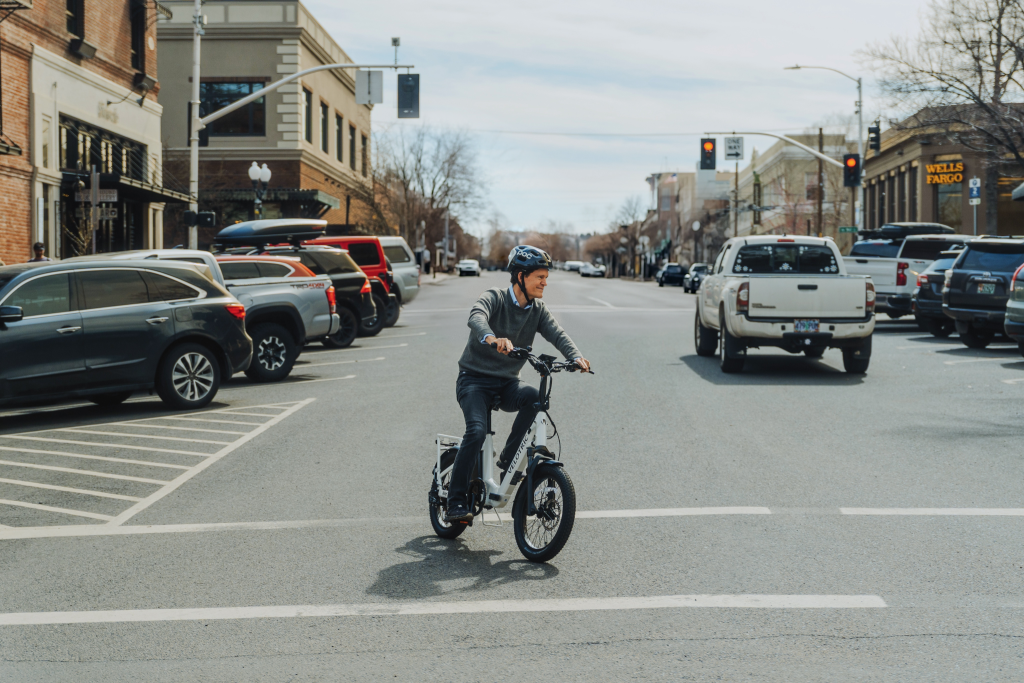
The Velotric Fold 1 Plus is a strong best-overall option for commuters who want folding convenience without giving up the comfort and utility expected from an everyday electric bike. Its design is especially well suited to riders who store the bike at home or work and only need to lift it occasionally.
A Step-Through Design Focused on Comfort
The step-through frame makes the Fold 1 Plus easier to mount during frequent stops and more approachable for riders with limited flexibility. And the suspension fork supports that comfort by absorbing sharper bumps that tire volume alone cannot fully manage. Together, these features make the bike better suited to imperfect streets than a rigid, narrow-tire folding bicycle.
Range, Power, and Carrying Capacity for Real Trips
The Fold 1 Plus uses a 750W motor with up to 1,100W of peak output, giving it useful assistance for starts, hills, and loaded commuting. Its pedal-assist range reaches up to 68 miles.
A maximum payload rating of 450 pounds gives the bike room for the rider and practical cargo, provided the rack and accessories are also used within their individual limits. The combination of range and carrying capacity makes it suitable for commuters who want to add a grocery stop or carry work equipment without depending entirely on a backpack.
For early starts or evening returns, the 130-lux headlight supports forward visibility. The bike carries an IPX6 rating and the battery an IPX7 rating, adding useful weather protection for riders who may encounter changing conditions.
Use a Final Commuting Checklist
Before choosing a folding e-bike, confirm that it works for the full routine rather than one part of it. A short checklist can prevent common mismatches:
- The battery provides the required round-trip range with a reasonable reserve.
- The bike fits the rider and remains comfortable for the expected ride time.
- The folded dimensions work in the actual storage or transport space.
- The complete weight is manageable for every required lift.
- The brakes, tires, and lighting suit the route and riding conditions.
- The rack and accessories can carry daily items without interfering with the fold.
- Local electric bike rules allow the intended speed settings and route access.
A test ride is valuable whenever possible. Pay attention to low-speed balance, motor engagement, braking feel, and how easily the bike can be folded. These details provide a more accurate picture of daily usability than a specification sheet alone.
Final Thoughts
Choosing a folding eBike for commuting is a balance between ride quality and portability. The smallest or lightest model isn’t always the most comfortable, while the most powerful option may be heavier than the rider can realistically manage.
Begin with the route, storage space, and lifting requirements. Then compare comfort, range, braking, cargo support, and weather protection. For riders who prioritize an accessible step-through frame, a cushioned ride, useful range, and practical load capacity, the Velotric Fold 1 Plus offers a well-rounded setup for daily travel.
Read more : What Automotive Payment Solutions Mean for Independent Dealers/The Future of Automotive Electronics: A Guide to Smart Vehicle Systems