
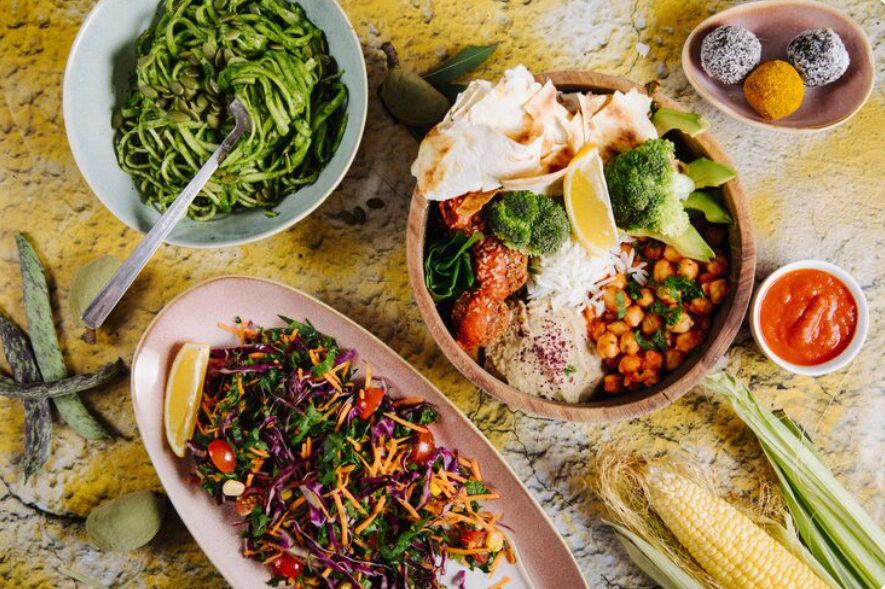

Key Takeaways
- An organic vegan meal plan can be flexible, flavorful, and realistic for everyday life in Naples.
- Simple meals become more satisfying when they include produce, vegan protein, whole grains, and satisfying plant-based fats.
- Shopping for versatile ingredients instead of rigid recipes makes fresh cooking easier.
- A few prepared components can support several different meals during a busy week.
- Using overlapping ingredients helps reduce food waste and keeps the grocery list manageable.
In Naples, Florida, fresh meals often fit naturally into the rhythm of warm days, busy schedules, and year-round access to colorful produce. An organic vegan meal plan does not have to mean complicated cooking or an all-or-nothing kitchen makeover. It can begin with familiar ingredients, a short shopping list, and a few dependable ways to turn produce into meals you genuinely look forward to eating.
Whether you cook at home most nights or dine out occasionally, exploring tasty vegan options can inspire meals centered on fresh produce, grains, beans, herbs, and plant-based proteins. The goal is not perfection. It is creating a practical routine that makes fresh vegan food convenient enough to repeat.
Understanding Organic and Vegan Eating
Organic and vegan are two different things, and keeping that distinction clear can help households with mixed eating styles. Organic refers to how food is grown or raised, while vegan refers to excluding animal-derived ingredients. For example, someone following an organic vegan meal plan might choose plant-based meals at home while another household member enjoys an organic option such as a delectable smash burger made with 100% organic beef. This distinction allows households to prioritize organic sourcing while accommodating different dietary preferences.
Start With a Balanced Vegan Meal Formula
A simple meal formula can take the guesswork out of weekday meals. Build meals around vegetables, fruits, whole grains, vegan protein, and plant-based fats, then adapt the formula with organic ingredients when they fit your preferences and budget.
- Build around vegetables and fruit. Try fresh greens, tomatoes, cucumbers, peppers, zucchini, carrots, berries, citrus, or whatever looks best at the market.
- Add a vegan protein. Beans, lentils, chickpeas, tofu, tempeh, edamame, nuts, seeds, and hummus all work well.
- Choose a filling base. Brown rice, quinoa, oats, potatoes, whole-grain pasta, corn tortillas, and whole-grain bread are easy options.
- Finish with fat and flavor. Avocado, tahini, olive oil, nut butter, fresh herbs, lime, lemon, garlic, and spices can make simple ingredients feel complete.
Build a Grocery List That Supports More Than One Meal
Shopping by ingredient group, rather than by a long list of recipes, makes it easier to use what you buy. Start with a manageable mix of fresh produce, organic ingredients when preferred, and shelf-stable vegan foods.
- Produce: Choose two greens, three colorful vegetables, two fruits, and a flexible staple such as onions, carrots, cabbage, or bell peppers.
- Vegan proteins: Keep canned or dried beans, lentils, chickpeas, tofu or tempeh, edamame, pumpkin seeds, and natural nut butter on hand.
- Grains and pantry basics: Stock oats, rice, quinoa, whole-grain pasta, canned tomatoes, vegetable broth, vinegar, herbs, spices, and low-sodium sauces.
- Convenience backups: Frozen vegetables, frozen fruit, jarred salsa, and canned beans can save dinner when fresh ingredients run low.
Five Flexible Meal Templates
1. Colorful Grain Bowls
Layer brown rice or quinoa with roasted vegetables, black beans or tofu, avocado, and a lemon-tahini dressing. Change the seasonings, sauce, or vegetable combination to keep the bowl from feeling repetitive.
2. Hearty Salads
Start with greens, then add chickpeas or lentils, cooked grains, fruit, crunchy seeds, and a vinaigrette. A salad with warm roasted sweet potato or crispy tofu is often more filling than greens alone.
3. One-Pot Soups and Stews
Use lentils, beans, tomatoes, vegetables, broth, and grains for meals that reheat well. Soup is also a practical way to use celery, greens, carrots, or squash that need to be used soon.
4. Quick Stir-Fries
Sauté vegetables such as broccoli, peppers, mushrooms, and cabbage with tofu or edamame, then serve them over rice or noodles. A simple sauce of tamari, ginger, garlic, lime, and sesame oil brings the ingredients together.
5. Wraps and Toasted Sandwiches
Spread hummus on a whole-grain wrap or bread, then add greens, roasted vegetables, sliced avocado, and seasoned beans.
Prepare Building Blocks, Not Seven Finished Meals
A short prep session can make organic vegan eating easier without filling the refrigerator with identical containers. Wash and chop produce for the next few days, cook one grain, roast one tray of vegetables, prepare a dressing, and portion one protein such as lentils or baked tofu. Store the components separately so they can be used as bowls, salads, wraps, or warm plates throughout the week.
For fully vegan eaters, nutrition planning matters alongside meal planning. Because vitamin B12 is not naturally present in plant foods unless they are fortified, check food labels and, when appropriate, discuss fortified foods or supplements with a qualified health professional. The National Institutes of Health explains that fortified cereals and nutritional yeast can provide vitamin B12, so it is an important consideration for people following a long-term vegan diet.
Keep Meals Fresh, Satisfying, and Low-Waste
Flavor and texture make simple food more enjoyable. Pair creamy avocado with crisp cabbage, tender lentils with crunchy seeds, or sweet fruit with a tangy vinaigrette. Season in layers with aromatics, herbs, citrus, and sauces. When ingredients overlap, they are less likely to be forgotten: leftover lentils can become taco filling, salad topping, soup, or pasta sauce, while extra cooked rice can become a breakfast bowl or stir-fry base.
Common Questions About Organic Vegan Meal Planning
Do all ingredients need to be organic?
No. An organic-focused plan can still be practical when it includes conventional produce, frozen vegetables, and canned staples as needed. Choose organic foods when they fit your priorities and budget, while maintaining a varied selection of plant-based foods.
Are fresh foods always necessary?
No. Fresh produce is valuable, but frozen and canned options can also make vegan meal planning more convenient. Choose products with minimal added ingredients when possible, and use a combination of fresh, frozen, and pantry staples to keep meals flexible.
How can vegan meals stay filling?
Include a protein-rich vegan food, a fiber-rich carbohydrate such as beans or whole grains, and a satisfying fat such as avocado, tahini, olive oil, nuts, or seeds. Combining different ingredients also adds variety in flavor and texture.
How can an organic vegan meal plan accommodate different dietary preferences?
An organic vegan meal plan can remain flexible when households have different dietary preferences. Keep vegan meals centered on plant-based ingredients while allowing other household members to choose foods that fit their own diets. Planning meals around versatile sides, grains, vegetables, and toppings can make it easier to prepare options that work for everyone.
Keep the Plan Flexible
The most useful organic vegan meal plan is one that works on an ordinary Tuesday, not only on a perfectly organized weekend. Start with a few fresh ingredients, choosing organic options when they fit your priorities and budget, prepare versatile components, and let leftovers guide the next meal. In Naples, a colorful, practical vegan routine can stay seasonal, approachable, and full of flavor without becoming restrictive.
Read More : The Essential Guide to Aluminium Foil for Savvy Food Preservation