
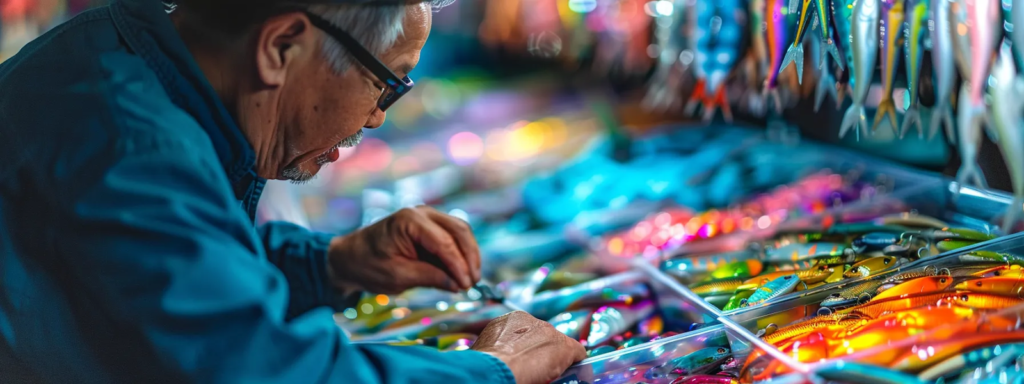

Fly fishing requires precision not only in casting but also in the creation of the perfect lure. The choice of fly tying materials can significantly affect both the durability and the effectiveness of a fly, influencing the success of a fishing trip.
Understanding the nuances of various materials and how they interact with different fish species and water conditions is vital for any avid angler. Below are the essential factors to consider when selecting the best materials for fly tying.
Selecting the Right Fly Tying Materials for Different Fish Species
The effectiveness of fly fishing lures largely depends on how well they mimic the natural prey of target fish species. Understanding fish feeding behaviors and preferred prey in different environments is crucial to selecting the right materials.
For trout, flies tied with fine, natural materials like feathers and fur can be very effective, as they create a realistic profile and delicate movement in the water. Bass, however, often respond better to larger, more vibrant synthetic materials that create a noticeable disturbance.
It is advisable to have a diverse selection of materials at hand, including both natural and synthetic options. This allows for versatility when constructing flies for different species and conditions. The selection of fly tying materials can greatly enhance your fishing success.
Natural vs Synthetic Materials for Fly Tying
Choosing between natural and synthetic materials is a key part of the fly tying process. Each type has its advantages and specific applications based on the fishing conditions and desired fish reactions.
Natural materials, such as feathers, fur, and hair, are prized for their ability to closely mimic the movements and textures of insects and small aquatic creatures. Significant benefits of natural materials include superior subtlety and an organic appearance that can be harder for fish to resist. However, they may require more maintenance and can degrade faster.
Synthetic materials, on the other hand, are valued for their durability, variety of colors, and ease of use. They can be particularly effective in attracting predatory species with their bright colors and bold flash. For use in harsh conditions, such as saltwater environments, synthetics often offer the best performance and longevity.
Cost Considerations for Fly Tying Materials
While curating fly tying materials, cost is an important factor to consider. Natural materials can be more expensive due to their sourcing challenges and processing requirements.
Beginners might find synthetic materials more cost-effective to start with, as they provide a wide range of colors and textures at a lower price point. Furthermore, synthetics are typically more durable, meaning fewer replacements and a better return on investment over time.
To manage costs without compromising quality, anglers should consider purchasing materials in bulk or seeking out deals from reputable suppliers. Additionally, understanding which materials can be substituted with less expensive alternatives without affecting fly performance can lead to significant savings.
Maintaining and Storing Fly Tying Materials
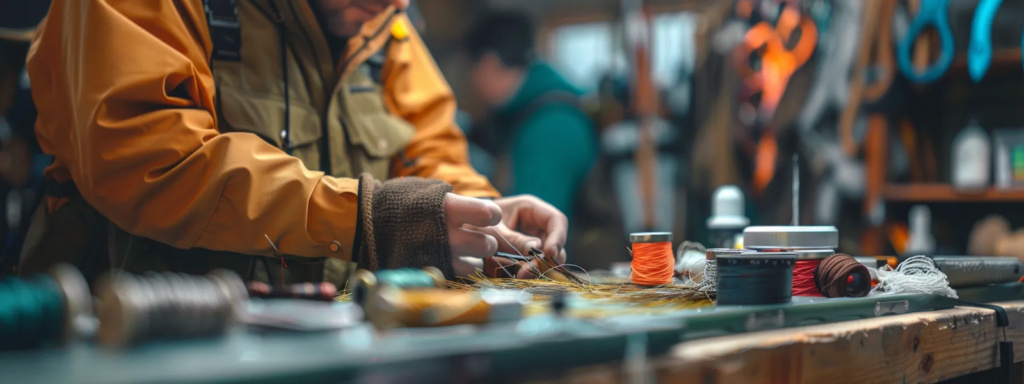
Maintaining the quality of fly tying materials is essential for ensuring they perform well and last as long as possible. Proper storage methods play a crucial role in material longevity.
Natural materials should be kept dry and ideally stored in sealed containers to protect them from moisture and pests. Silica gel packets can help absorb any residual humidity. Synthetic materials are less prone to damage but should also be kept organized and clean to prevent tangling and degradation.
Regularly inspecting and properly organizing fly tying materials can prevent the frustration of damaged or lost items. Storage solutions that categorize materials by type and usage can simplify the process and enhance the overall fly tying experience.
Ultimately, the choice of fly tying materials impacts not just the quality of your flies but also their effectiveness in attracting fish. By carefully considering the factors of species-specific needs, material type, cost, and proper storage, fly fishing enthusiasts can greatly enhance their craft. Each decision in the selection and care of fly tying materials can improve the overall fishing experience, ensuring every cast has the potential to be a success.