

Key Takeaways:
- Holistic recovery addresses mind, body, and environment—not just substance use symptoms.
- Practices like mindfulness, yoga, and exercise help manage cravings, stress, and emotional regulation.
- Nutrition, creative therapies, and body-based treatments support physical healing and mental balance.
- Nature-based and spiritual approaches foster connection, resilience, and personal meaning.
- Integrating holistic methods with structured care supports sustainable, long-term recovery.
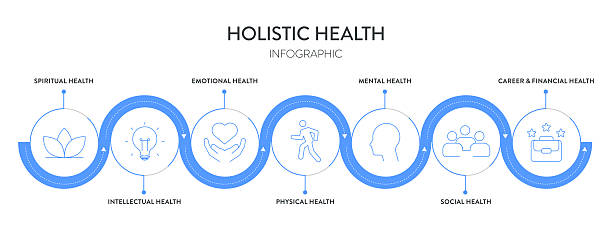
Substance use disorders are complex conditions shaped by physical dependence, psychological factors, social environments, and emotional well-being. Because no two individuals share the same experiences or challenges, recovery often benefits from approaches that look beyond symptoms alone. Methods that consider the whole person—mind, body, and environment—aim to address underlying causes while supporting long-term stability. These perspectives acknowledge that sustainable change often necessitates a combination of medical expertise, behavioral strategies, and personal growth.
By integrating therapy, lifestyle adjustments, peer support, and wellness practices, individuals can build coping skills that extend into everyday life. Access to structured resources, such as alcohol and drug rehab in Virginia, can provide coordinated care while still allowing flexibility to tailor treatment to individual needs. This balanced framework emphasizes resilience, accountability, and gradual progress rather than quick fixes or one-size-fits-all solutions.
Mindfulness and Meditation
Mindfulness and meditation are foundational elements in holistic recovery, empowering individuals to slow down, observe their internal experiences, and respond to challenges with compassion rather than compulsion. These practices teach individuals to notice thoughts, urges, and sensations as they arise, instead of reacting automatically. Over time, regular meditation enhances self-control, reduces the intensity of cravings, and rewires patterns of behavior that fuel substance misuse. Studies published by the National Institute of Mental Health emphasize that mindfulness-based relapse prevention programs are associated with fewer relapses, improved emotional regulation, and greater self-awareness. Additionally, group meditation sessions often foster a sense of community that mitigates feelings of isolation—a common trigger for substance use.
Yoga and Physical Exercise
The integration of yoga and physical exercise into recovery programs has been proven highly beneficial for the body, mind, and spirit. Yoga, with its focus on coordinated movement, breath control, and mindful awareness, acts as a gentle but powerful tool for stress relief and trauma integration. It supports emotional release and builds a deeper relationship with one’s own body, which can feel foreign or uncomfortable after periods of addiction. In parallel, regular aerobic and strength-building activities release endorphins and serotonin, the “feel good” chemicals in the brain, which help mitigate depressive symptoms and reduce the likelihood of substituting drug use with other unhealthy behaviors. Movement practices also foster discipline, promote restful sleep, and renew a sense of accomplishment—all crucial elements for building a robust, substance-free lifestyle.
Nutrition and Wellness
Physical wellness is essential for overcoming addiction, with nutrition playing a crucial role. Long-term substance use diminishes vital vitamins and minerals, risking health issues and emotional instability. Nutritional rehab helps restore the body through balanced meals that include complex carbs, lean proteins, healthy fats, and fruits and vegetables. Proper diet helps replenish neurotransmitters like dopamine and serotonin, which are affected during addiction and withdrawal. Recovery programs provide personalized meal plans and advice, promoting healthy eating habits even after treatment. A better diet boosts energy, improves mental focus, and supports recovery.
Art and Music Therapy
Creative outlets like art and music therapy offer valuable chances for self-exploration, especially when words fail to convey complex emotions or trauma. Activities such as drawing, sculpture, making music, or listening can access unconscious parts of the mind and promote healing. These therapies help explore personal struggles, recognize milestones, and enable expression of hopes and fears without words. They link brain regions responsible for emotion, memory, and behavior. Participating in creative activities can lower anxiety, boost dopamine levels, and enhance communication with healthcare providers. Most importantly, they build motivation and self-esteem, which are crucial for resilience during recovery.
Nature and Outdoor Therapy
Engaging with the natural world is a powerful therapeutic tool frequently incorporated into modern recovery models. Nature-based therapies, such as guided wilderness walks, ecotherapy sessions, and adventure-based counseling, provide a unique combination of physical movement, social connection, and grounding sensory experiences. Scientific evidence suggests that immersion in green spaces can lower cortisol levels (the body’s primary stress hormone), alleviate symptoms of depression and anxiety, and foster mindfulness. Outdoor programs also empower participants to develop new coping strategies and foster a more profound sense of connection—to both nature and themselves. These experiences promote active living and practical problem-solving, which are invaluable as individuals rebuild their lives.
Acupuncture and Body-Based Therapies
Integrating body-based therapies such as acupuncture, acupressure, and massage introduces unique physiological benefits that support detoxification, relaxation, and emotional balance. Acupuncture, which involves the gentle insertion of small needles at specific points, is thought to restore the body’s energetic balance, alleviate pain, and decrease withdrawal symptoms such as nausea or insomnia. According to the Mayo Clinic, studies suggest that acupuncture has therapeutic potential for managing both acute and chronic pain, anxiety, and cravings related to substance use. In parallel, massage and bodywork techniques help release physical and emotional tension, foster relaxation, and facilitate a more profound sense of bodily safety—a critical step for those recovering from trauma-based addiction.
Integrating Spirituality
Spirituality is increasingly recognized as a vital component in holistic recovery frameworks. Whether rooted in organized religion or expressed through secular practices like mindfulness and gratitude, addressing the spiritual dimension provides a framework for personal meaning and hope. In many programs, spirituality is nourished through group reflection, meditation, volunteering, or participation in 12-step support networks, which all emphasize forgiveness, acceptance, and service to others. Research consistently shows that integrating spiritual practices with evidence-based care boosts engagement, strengthens support networks, and sustains motivation for long-term sobriety. For many, spiritual growth becomes a source of strength during challenging moments, sparking transformation from the inside out.
Conclusion
Holistic therapies have emerged as invaluable extensions to traditional substance use disorder treatments, offering renewed hope, more profound healing, and greater fulfillment. By weaving together mindfulness, movement, nutrition, creativity, body-based therapies, time in nature, and spiritual reflection, individuals can access transformative recovery paths that support long-lasting change. This integrated philosophy helps turn the painful process of overcoming addiction into an opportunity for growth, resilience, and rediscovery of purpose, empowering each person to build a healthier, more meaningful life beyond substance use.