
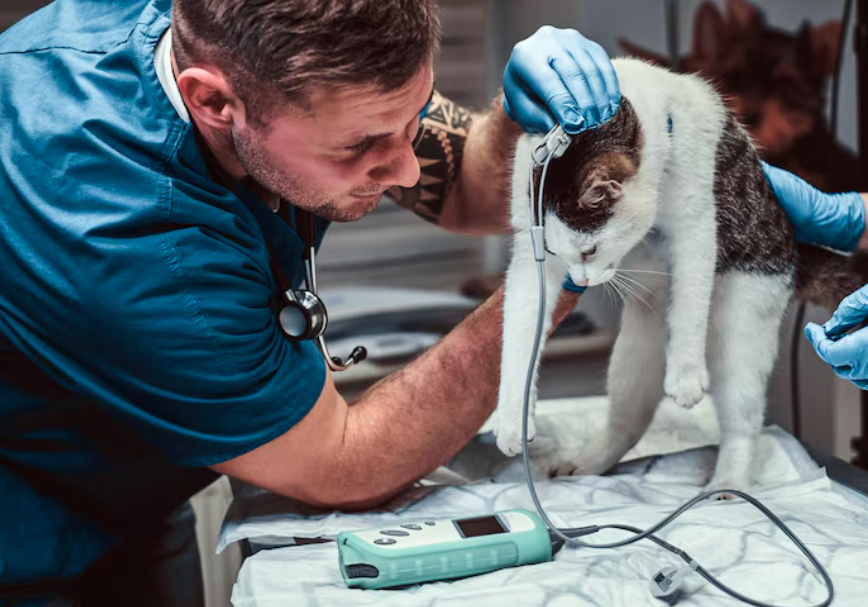

You brought your pet in because something felt wrong, and now the visit has turned into a conversation about transfer, monitoring, and overnight care. That shift is hard. You are trying to listen, make decisions, and stay calm while your mind jumps straight to the worst case. When a clinic says your pet needs to go somewhere else for the night, what you usually need most is a clear explanation of what happens next at a Gulf Breeze emergency animal hospital.
How Animal Urgent Care Coordinates Transfer When A Pet Needs Overnight Hospitalization comes down to a few core steps. The urgent care team stabilizes your pet, decides whether overnight monitoring or advanced treatment is needed, contacts the receiving hospital, sends medical records, and prepares you for the move. The goal is continuity. Your pet should not arrive as an unknown case, and you should not be left piecing the story together at 2 a.m.
Animal urgent care transfer decisions are based on stability, staffing, and the level of care your pet needs
Most urgent care clinics are built to handle same day problems that need prompt attention but not always round the clock hospitalization. That can include vomiting, diarrhea, wounds, limping, allergic reactions, ear infections, fever, or sudden pain. Some pets respond well to treatment and go home. Others need oxygen support, IV medications through the night, repeat lab work, imaging, blood pressure checks, or constant observation. That is where pet urgent care transfer for overnight hospitalization becomes necessary.
The hard part is that pets can look only mildly sick at first and still decline fast. A dog with pancreatitis may need pain control and fluids beyond business hours. A cat with urinary blockage may need repeated monitoring after the initial procedure. A pet who ate something toxic may seem steady, then develop tremors, breathing trouble, or abnormal lab values later. The transfer decision is not about inconvenience. It is about what can be provided safely through the night.
Teaching hospitals and specialty centers often explain this clearly in their emergency service materials. Cornell’s Emergency and Critical Care service describes the kind of advanced monitoring and treatment available when pets need a higher level of support. Washington State University’s small animal emergency and critical care team also outlines how intensive care settings manage unstable or high risk patients.
Coordinating overnight hospitalization protects continuity of care
When a clinic handles overnight pet hospitalization coordination well, there is a chain of communication, not a handoff in the dark. The urgent care veterinarian usually calls the receiving hospital, explains the case, reviews exam findings, and discusses what has already been done. Records are sent over, often including bloodwork, imaging reports, medications given, treatment response, and notes about your pet’s current condition.
That matters more than most people realize. If your dog already had X rays, the overnight team should know what they showed. If your cat had pain medicine, fluids, or anti nausea treatment, the receiving team should know the timing and dose. If there is concern for surgery, toxin exposure, internal bleeding, seizures, breathing distress, or blocked urination, the referral hospital needs that information before you even leave the parking lot.
You may also be told whether your pet is stable enough for you to drive straight there or whether ambulance style transport is needed if available in your area. In many cases, owners transport their own pets, but the clinic still helps by giving printed directions, calling ahead, and explaining what symptoms would mean you should pull over and call for help.
Hospitals that handle emergency arrivals often prepare families for this process in advance. Ohio State’s guide on what to expect during an ER visit reflects the kind of triage, communication, and wait time realities that come with emergency and overnight care.
Transfer conversations often include cost, timing, and emotional strain
This is usually the moment when stress spikes. You may hear that your pet needs another hospital, another exam fee, and overnight monitoring that costs more than a standard visit. That can feel crushing, especially if you were expecting to go home with medication and rest.
There is also the emotional side. You may have to leave your pet with a team you have never met, drive across town late at night, or call family members to figure out money and logistics while your pet is still receiving care. If you have children at home, work the next morning, or no easy transportation, the problem gets bigger fast.
A good urgent care team does not ignore those realities. They explain the medical reason for transfer, the urgency, and whether any options exist. In some cases, a pet can be stabilized and monitored at home with strict return precautions. In others, going home would carry too much risk. The difference usually depends on how likely your pet is to worsen without overnight nursing and repeated reassessment.
What urgent care handles before transfer and what the overnight hospital takes over
| Part of Care | Animal Urgent Care | Overnight Hospital |
| Initial exam and triage | Assesses severity, pain, hydration, breathing, and immediate risk | Reviews condition on arrival and updates treatment plan |
| Stabilization | May give oxygen, IV fluids, pain relief, anti nausea medication, or first aid | Continues and adjusts support through the night |
| Diagnostics | Often starts bloodwork, imaging, or urine testing | Adds advanced testing or repeats labs if the condition changes |
| Communication | Contacts receiving hospital and sends records | Confirms arrival, discusses estimate, and updates you on progress |
| Monitoring | Limited to clinic hours and staffing model | Provides overnight observation, ICU level support, and rapid response if the pet declines |
Clear steps make emergency pet transfer coordination easier on you and safer for your pet
1. Ask for the reason transfer is recommended.
You need the plain language version. Ask whether the concern is breathing, pain control, risk of obstruction, possible surgery, seizure monitoring, dehydration, toxin exposure, or something else. Ask what could happen if your pet does not receive overnight care. Those answers help you weigh urgency and understand the plan.
2. Get the transfer details before you leave.
Ask which hospital is expecting you, whether records were sent, what treatments your pet already received, and whether your pet should eat or drink on the way. Confirm whether your pet is stable for car transport and what symptoms would mean you should call from the road. This is where good animal urgent care communication matters most.
3. Prepare for the first call from the overnight team.
Have your phone on, keep your ringer up, and be ready to discuss estimates, consent, and treatment choices. If another family member will help decide, include them early. Emergency care often moves quickly once your pet is admitted.
Overnight hospitalization works best when the handoff is clear and fast
No one wants a routine urgent care visit to turn into a late night transfer. When it happens, the best outcome usually comes from a smooth handoff, steady communication, and a team that treats your pet’s case as ongoing, not starting over. How Animal Urgent Care Coordinates Transfer When A Pet Needs Overnight Hospitalization is really about protecting continuity and giving your pet access to the level of care the situation requires.
If your pet is being referred for overnight care, ask for the plan in plain terms, follow the transfer instructions closely, and stay available for updates. That clarity can make a frightening night feel a little more manageable.
Read more : 8 Must-Try House Cleaning Solutions for Pet Fur and Odor in 2025/How Carpet Cleaning Increases Its Lifespan