

Many homeowners experience rising heating costs during the colder months without realizing that the attic often plays a major role in heat loss. A poorly insulated attic allows warm air to escape and lets cold air seep in, making homes uncomfortable and energy inefficient.
Understanding How Heat Escapes
Heat naturally moves from warmer to cooler spaces. In winter, this means the warmth inside a home tends to rise and leak through the attic if insulation is insufficient. Even small gaps or compressed insulation can create pathways for air movement, reducing overall efficiency.
When warm air escapes through the attic, cold outdoor air is drawn in to replace it. This constant exchange forces the heating system to work harder, leading to higher energy consumption and uneven indoor temperatures.
Common Signs of Heat Loss Through the Attic
Detecting attic heat loss early can prevent costly energy waste. Homeowners can look for several clear indicators before seeking professional inspection.
- Uneven temperatures between upper and lower floors
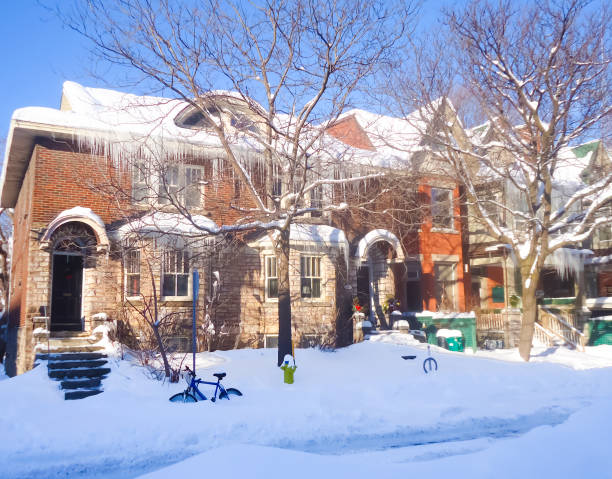
- Persistent ice dams forming along the roof edges
- Drafts or noticeable cold spots near ceiling fixtures
- Rising heating bills despite consistent thermostat settings
Each of these signs suggests that warm air is escaping and moisture may be accumulating within the roof structure, both of which can lead to long-term damage if ignored.
How Proper Insulation Reduces Heat Loss
Insulation acts as a barrier to slow the transfer of heat between indoors and outdoors. A well-insulated attic helps maintain consistent indoor temperatures and reduces strain on heating systems. Choosing the right materials and installation methods is essential for lasting performance.
A professional insulation company in Ottawa can assess existing insulation levels, identify gaps, and recommend upgrades suited to the home’s structure and climate. They may also advise on ventilation improvements to ensure moisture control alongside thermal efficiency.
Benefits of Upgrading Attic Insulation
Improving attic insulation offers more than just lower energy bills. It enhances comfort, protects roofing materials, and contributes to a more sustainable home environment. Proper insulation also reduces temperature fluctuations that can stress building materials over time.
- Improved energy efficiency and lower heating costs
- Reduced risk of condensation and moisture damage
- More consistent indoor comfort throughout the year
- Longer lifespan for roofing and ceiling materials
Why Blown-In Insulation Works Well in Cold Climates
Among the various insulation methods, blown in insulation ottawa is a popular choice for older homes and renovation projects. It effectively fills small gaps, creating a seamless thermal barrier without extensive structural changes.
Blown-in insulation is applied uniformly, reaching corners and tight spaces that traditional batts might miss. It also provides consistent coverage over time, helping to maintain high thermal resistance even under extreme weather conditions.
Maintaining Long-Term Efficiency
Regular attic inspections help ensure insulation remains effective. Over time, materials can settle, become compressed, or shift due to air movement and temperature changes. Periodic assessments help identify these issues before they affect heating efficiency.
Homeowners should also monitor roof ventilation, air sealing, and moisture control as part of routine maintenance. A balanced approach keeps the attic dry, insulated, and energy efficient through every season.
Creating a Comfortable and Efficient Home
Addressing heat loss through the attic is one of the most effective ways to improve overall comfort and reduce energy use. With proper insulation design, material selection, and regular upkeep, homeowners can ensure their living spaces remain warm, stable, and efficient throughout the coldest months of the year.