
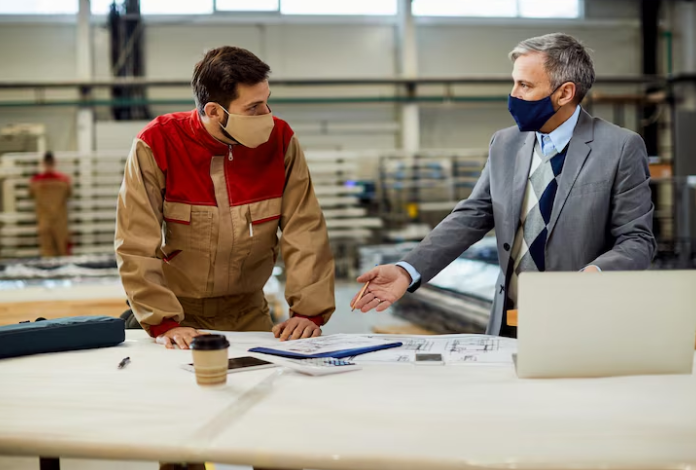

The modern labour market is highly competitive. In trade industries like construction, manufacturing, and logistics, holding onto skilled talent is more challenging than ever. While competitive wages are always essential, modern human resources professionals are looking closely at secondary perks to boost employee loyalty. One of the most overlooked yet highly effective retention tools is the strategic uniform allowance. By upgrading the standard workwear provided to staff, companies can improve daily comfort, enhance safety, and send a clear message that they value their workforce.
The Hidden Costs of Turnover in the Trades
Every time a skilled tradesperson leaves a company, the business takes a financial hit. The costs associated with recruiting, onboarding, and training new staff can easily equal a significant percentage of an employee’s annual salary. Furthermore, high turnover can disrupt project timelines and negatively impact the morale of the remaining team members. When evaluating these substantial turnover costs, investing in employee well-being becomes an obvious financial priority.
Many business owners view uniforms as a basic operational expense. However, when treated as a strategic perk, a generous uniform allowance can differentiate an employer in a crowded job market. Allowing staff to select high-quality gear, such as premium work pants for men, ensures that they are both protected and comfortable on site. Employees who feel physically supported and equipped to do their jobs effectively are far less likely to look for opportunities elsewhere. This approach transforms a mandatory safety requirement into a highly appreciated employee benefit.
Investing in Quality Gear as an Employer Brand Strategy
The physical demands of trade jobs mean that everyday comfort is incredibly important. Workers spend long hours on their feet, often in harsh or unpredictable weather conditions. Supplying them with cheap, poorly fitted clothing can lead to frustration and decreased productivity. On the other hand, a genuine investment in high-quality daily attire acts as a continuous, tangible reminder that the employer cares about their team’s well-being. It is a powerful employer branding strategy. When workers feel proud of the gear they wear and comfortable in their daily tasks, they become natural advocates for the company. They are more likely to speak highly of their employer to peers, which can organically attract new talent to the business while keeping current employees deeply engaged.
Beyond physical comfort, providing top-tier workwear demonstrates a fundamental level of respect for the tradesperson. A well-fitted uniform allows for a full range of motion, reducing the physical fatigue that accumulates over a long shift. When a business covers the cost of this essential gear, workers are relieved of a significant financial burden. This financial relief, combined with the daily physical benefits, fosters a strong sense of loyalty. Ultimately, employees want to work for a company that invests directly in their health and daily experience.
The Financial Returns of Occupational Health and Safety
High-quality workwear does more than just keep employees comfortable. It also plays a vital role in preventing workplace injuries. Heavy-duty boots, reinforced clothing, and high-visibility jackets are critical safety tools. From a business management perspective, the return on investment for these safety measures is remarkably strong. Data shows that allocating funds to better safety equipment is highly lucrative for companies of all sizes.
A comprehensive economic evaluation by Safe Work Australia reveals that reducing work-related injuries and illnesses creates immense financial value, potentially increasing the national economy by over twenty-eight billion dollars annually. The same research highlights that workplace safety improvements lead to significant productivity gains across all industries. By upgrading uniform allowances, businesses can significantly reduce the likelihood of costly injuries while simultaneously boosting their appeal to prospective hires. It is a dual-purpose strategy that protects both the worker and the bottom line.
Key Elements of a Successful Workwear Program
Implementing a strategic uniform allowance requires more than simply increasing the budget. Human resources managers should take a structured approach to ensure the investment yields the highest possible retention benefits. Consider the following steps when upgrading your company uniform policy:
- Consult with your team: Before selecting new suppliers or gear, survey your employees to understand their specific comfort and safety needs.
- Prioritise climate adaptability: Choose clothing that breathes well in the summer heat and offers adequate layering options for the colder winter months.
- Establish clear replacement cycles: Workwear degrades over time. Ensure your policy includes regular intervals for replacing worn-out items so workers never have to compromise on safety.
- Offer variety and fit options: Recognise that one size does not fit all. Providing different cuts and styles ensures everyone feels comfortable and respected.
In a competitive labour market, businesses must leverage every available tool to keep their best workers on the payroll. A strategic uniform allowance is a simple, highly visible way to improve daily working conditions. By providing premium gear that enhances safety and comfort, companies can cultivate a loyal, productive, and highly satisfied workforce.