

Table of Contents
- Regular Inspections
- Flushing the Tank
- Checking the Anode Rod
- Testing the Pressure Relief Valve
- Insulating Pipes and Heater
- Installing a Water Softener
- Upgrading to Energy-Efficient Models
- Adopting Smart Usage Habits
A steady hot water supply is central to modern home comfort. Yet, few homeowners realize how much consistent performance depends on regular maintenance and proactive decision-making. These best practices protect your investment and extend the life of your water heater, helping you avoid interruptions and costly repairs. To guarantee your system delivers warm water when you need it, book water heater installation when upgrading or replacing your unit.
In this comprehensive guide, you will learn about simple yet effective ways to ensure your hot water remains reliable year-round. By understanding each step, from regular inspections to adopting new technology, you can enjoy peace of mind and lasting efficiency in your home.
Beyond immediate comfort, a well-maintained hot water system also supports energy conservation and keeps monthly utilities manageable. Whether you live alone or with a large family, taking a proactive approach to water heater care benefits your wallet and your daily routine.
Plumbing experts emphasize that habits formed today can prevent much larger issues tomorrow. By learning both the “why” and the “how” behind water heater maintenance, you empower yourself to avoid emergencies and keep your household running smoothly. For further reading on water heater maintenance and lifespan, the U.S. Department of Energy offers a helpful overview on water heating best practices.
Regular Inspections
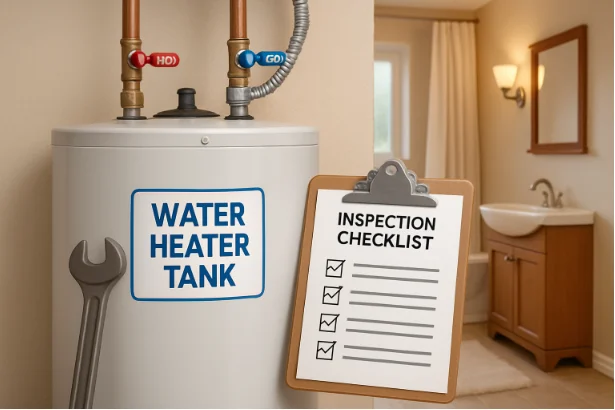
Frequent visual inspections of your water heater system should be done at least every two months. Focus on the exterior and visible connections. Scan for leaks, water staining, or rust and ensure all pipes are firmly attached. Loose or damaged parts can signal an underlying issue. Quickly addressing these early signs may prevent more severe damage or disruptions to your hot water supply.
Flushing the Tank
If left unchecked, sediment and mineral buildup will affect your water heater’s ability to deliver consistent hot water. Flushing the tank annually, or as specified in your manufacturer’s manual, helps remove these deposits. This task can be done by draining the tank using the valve near the base, then running clean water through until the sediment is cleared. This not only improves performance but also decreases the risk of corrosion.
Checking the Anode Rod
The anode rod acts as a sacrificial barrier, attracting minerals that otherwise corrode your water tank. Every two to three years, take a close look at the rod by unscrewing it from the top of the heater. If the rod appears significantly worn or corroded, replace it immediately. A fresh rod can extend the life expectancy of your water heater and keep hot water reliable.
Testing the Pressure Relief Valve
The pressure relief valve prevents the tank from building too much pressure and possibly bursting. Test it once a year by slowly lifting the lever and letting a small amount of water escape. If the valve does not snap back or continues to leak, it should be replaced to maintain system safety. Regular checks like these ensure the system remains operational and safe.
Insulating Pipes and Heater
Heat loss is a common culprit for insufficient hot water, especially in colder seasons. Wrapping your hot water pipes and tank with insulation can help retain heat, reducing the energy required to maintain water temperature. Pipe and tank insulation is particularly helpful for older systems. According to the U.S. Department of Energy, insulating your hot water pipes can reduce heat loss and raise water temperature by 2°F–4°F, allowing you to lower your water temperature setting. Learn more about insulating hot water pipes.
Installing a Water Softener
Hard water, containing high mineral counts, leads to sediment buildup in heaters, decreasing efficiency and promoting early breakdowns. A water softener removes excess minerals from your water supply, helping keep your heater clean and efficient. With significantly reduced scale formation, you can expect fewer repairs and a longer lifespan for your hot water system.
Upgrading to Energy-Efficient Models
If your heater is over ten years old, consider replacing it with a modern energy-efficient unit. New models, such as tankless or hybrid systems, consume less energy while delivering hot water on demand. These upgrades not only improve reliability but also lower monthly energy bills and support greener living standards. Research the options best suited for your household’s needs before making the investment.
Adopting Smart Usage Habits
Sustainable hot water use is possible with simple behavioral changes. Schedule tasks that require large quantities of hot water (such as laundry and showers) at different times to reduce peak demand. Set the heater’s thermostat to 120°F for safety, efficiency, and energy savings. These simple adjustments improve hot water availability without straining the appliance.
By maintaining your hot water system regularly and using it mindfully, you ensure your hot water supply remains reliable throughout the year. These practical steps improve system efficiency, lower energy bills, and prevent untimely breakdowns, allowing you to enjoy uninterrupted comfort in your home.