

Key Takeaways
- Neighborhood-based planning keeps a Miami food weekend relaxed and reduces unnecessary travel.
- A mix of cuisines, casual stops, and special meals adds variety without overwhelming your appetite.
- One standout meal gives the weekend a focus while leaving room for spontaneous discoveries.
- A realistic dining budget includes drinks, taxes, service charges, parking, and transportation.
- Reservations, weather backups, and attention to dietary needs help plans run smoothly.
Miami, Florida rewards travelers who plan their meals with intention. Rather than racing through every highly rated address, build a weekend around neighborhoods, appetite, and the kind of time you want. A useful starting point is a shortlist of the best spots to eat in Miami, then narrowing it down to places that fit naturally into your route.
The city offers plenty of contrast in a compact trip: Cuban coffee in the morning, a casual lunch after exploring, fresh seafood near the water, and a polished dinner when the evening calls for it. The most satisfying Miami food weekend is not a contest to collect reservations. It is a balanced mix of local flavor, convenience, and room for an unexpected stop.
Table of Contents
- Why Miami Works for a Food Weekend
- Choose a Neighborhood Base
- Plan by Cuisine, Not Just Distance
- Build a Balanced Three-Day Itinerary
- Match the Meal to the Mood
- Set a Realistic Dining Budget
- Reservations, Walk-Ins, and Timing
- Planning Mistakes to Avoid
- Common Questions
Why Miami Works for a Food Weekend
Miami dining is shaped by its neighborhoods. A meal in Little Havana can feel entirely different from dinner in Brickell or a late lunch in Miami Beach. That variety makes it possible to build a trip around more than one cuisine or price point without repeating the same experience. For a broader look at the areas travelers commonly use for dining plans, the city’s popular dining areas offer a helpful overview.
Think in terms of moments instead of restaurant names. One stop might be a bakery visit, another a relaxed shared lunch, and another the dinner you planned the trip around. This approach leaves space for coffee, dessert, and a second round of drinks if the mood is right.
Choose a Neighborhood as Your Base
Selecting where to stay, or at least where to spend each part of the day, prevents a food-focused weekend from turning into a series of rushed rideshare trips.
Little Havana
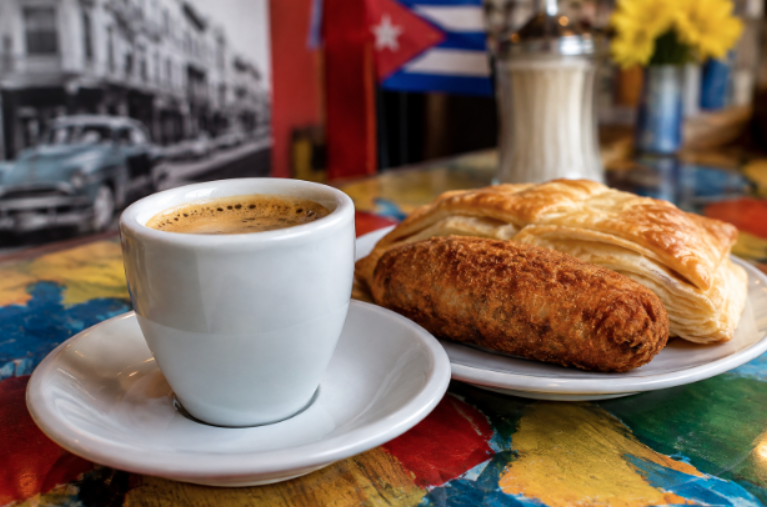
Choose Little Havana for Cuban cooking, coffee, sandwiches, bakeries, and a setting that connects food with local culture. It works especially well for breakfast, lunch, or an early evening meal before moving on to another part of the city.
Wynwood
Wynwood suits travelers who want creative energy around their meals. Plan a casual lunch, drinks, or a group dinner around time spent with murals, galleries, and shops. It is a practical option for people who prefer several shorter stops to one long afternoon indoors.
Brickell and Downtown
Brickell and Downtown are convenient choices for hotel guests, business travelers, date nights, and those seeking more polished dining options. They are also useful when the evening includes cocktails or multiple reservations. Avoid scheduling a tight dinner connection with Miami Beach unless you have allowed enough travel time.
Miami Beach and South Beach
Miami Beach is an easy fit for travelers who want beach time, outdoor seating, hotel dining, or a lively night nearby. Before heading out, check parking options, reservation terms, and whether a patio is fully covered if rain is possible.
Coral Gables, Coconut Grove, and Little River
These neighborhoods can suit a slower itinerary built around a destination meal, a walkable stretch, or a more residential atmosphere. A short ride can be worthwhile when it gives your group a clearer reason to spend time in one area rather than zigzagging across Miami.
Plan by Cuisine, Not Just Distance
Proximity matters, but variety matters more. A strong three-day plan might include Cuban food, a Latin American meal from another regional tradition, seafood or a vegetable-forward lunch, and one dinner that feels special. Miami also gives diners many opportunities for Mediterranean share plates and Asian cuisines, which can be especially useful when a group has different preferences.
- For a classic local stop: Choose Cuban coffee, croquetas, a sandwich, plantains, or a rice-and-beans plate.
- For a lighter midday meal: Look for ceviche, salads, grilled seafood, noodles, or shareable small plates.
- For groups: Prioritize menus with dishes that can be passed around, plus clear options for different dietary needs.
- For one memorable dinner, reserve the restaurant that best suits the occasion rather than automatically choosing the most expensive option.
Do not book three heavy dinners in a row. A bakery breakfast, a counter-service lunch, or a snack stop can make the evening meal more enjoyable.
Build a Balanced Three-Day Itinerary
Friday Evening: Stay Close
After travel, choose a restaurant near your hotel or first activity. Keep the first meal simple, and leave time for a walk, a drink, or dessert without treating the night like a race.
Saturday: Make One Meal the Main Event
- Start with coffee and a light breakfast.
- Spend the morning in one neighborhood, whether that means galleries, the beach, shopping, or a cultural attraction.
- Have a casual lunch or a shared snack nearby.
- Take a break before dinner.
- Use the evening for the reservation that matters most to your group.
Sunday: Keep It Flexible
Sunday is ideal for brunch or a late breakfast followed by one final meal in the same general area. Keep airport travel, luggage, weather, and traffic in mind before committing to a long sit-down lunch.
Match the Meal to the Mood
- Date night: Look for comfortable seating, attentive service, and a menu designed for sharing.
- Group dinner: Ask about party-size policies, shared dishes, and whether reservations require a deposit or set menu.
- Family meal: Earlier reservations, familiar menu choices, and shorter waits can make a major difference.
- Solo meal: Counter seats, bar seating, and casual all-day restaurants often provide the easiest experience.
- Celebration: Confirm special requests, cake rules, dress expectations, and cancellation terms before the day arrives.
Set a Realistic Dining Budget
Restaurant totals can rise quickly once drinks, tax, parking, valet service, and automatic service charges come into play. Instead of trying to keep every meal at the same price level, assign each day a purpose.
- Value-focused: Coffee, bakeries, food counters, casual lunches, and one approachable dinner.
- Mixed budget: Simple breakfasts, a mid-range lunch, snacks to share, and one higher-end reservation.
- Special occasion: Premium dinners, cocktails, tasting menus, and transportation or valet costs.
Put the largest share of the budget toward the meal you will remember most. The rest of the weekend can remain casual without feeling like a compromise.
Reservations, Walk-Ins, and Timing
Book important dinners before your trip, especially when traveling with a group. Use lunch as an alternative for restaurants that are harder to reserve in the evening, and arrive early for small counters or walk-in spots. Check the restaurant’s own website for hours, menus, and current policies shortly before leaving.
Miami weather can change outdoor plans, so check South Florida weather conditions before relying on a long walk or an uncovered patio. A backup indoor option can save an otherwise carefully planned day.
Common Planning Mistakes to Avoid
- Crossing the city for every meal instead of grouping stops by neighborhood.
- Booking only formal restaurants and missing cafés, bakeries, and casual counters.
- Ignoring menu prices, dietary needs, or service fees until after arriving.
- Leaving no time between a large lunch and dinner.
- Relying only on ratings rather than reading recent comments about wait times, noise, and service.
Common Questions About Miami Food Weekends
How many restaurants should I plan for three days?
Five to seven main food stops is usually enough, with coffee, dessert, and snacks left flexible. This gives the trip structure without making every hour feel scheduled.
Which Miami neighborhood is best for food lovers?
The best choice depends on your priorities. Little Havana suits Cuban food and cultural exploration, Wynwood suits art and group outings, Brickell suits polished evenings, and Miami Beach suits visitors who want to stay near the water.
Is lunch or dinner better for popular restaurants?
Dinner is best when the atmosphere is part of the occasion. Lunch can be a more relaxed way to try a restaurant while keeping the evening free for another neighborhood or a spontaneous plan.
Final Takeaway
A memorable Miami food weekend does not require an exhausting list of reservations. Choose a few neighborhoods, vary the pace and cuisines, budget for one meaningful meal, and leave room for a coffee window, a shared plate, or a last-minute dessert. When each stop has a purpose, Miami becomes easier to enjoy one plate at a time.
Read more : The Essential Guide to Aluminium Foil for Savvy Food Preservation