
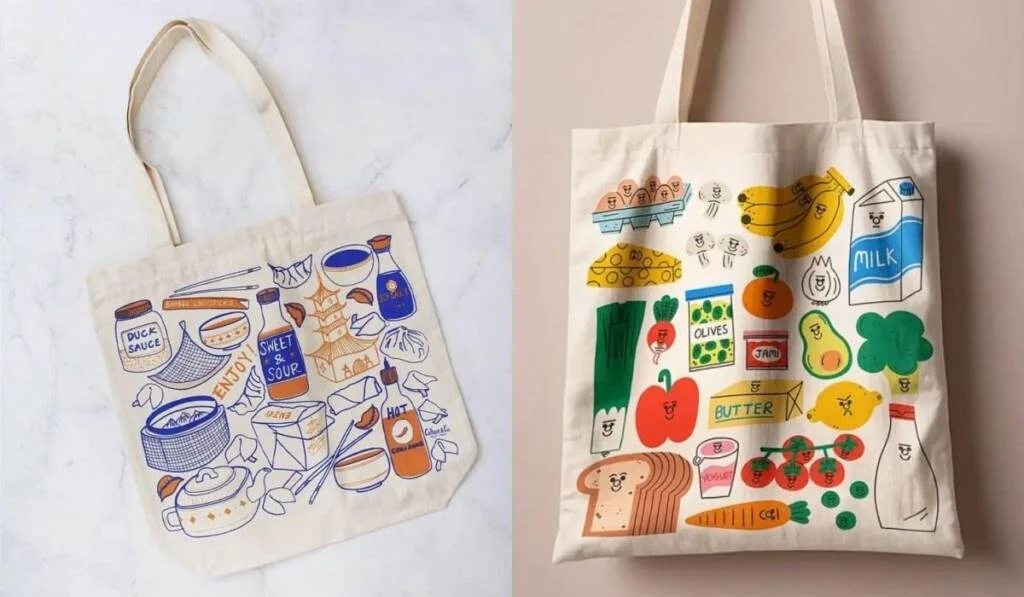

Custom tote bags have quietly become one of the most reliable products in online selling. They are practical, reusable, customizable, and easy to brand. From eco-conscious shoppers to small businesses and artists, people genuinely use tote bags, which makes them far more than a novelty product.
If you are looking to start or grow an online business, selling custom tote bags is a low-barrier, high-potential option. This guide walks you through the entire process step by step, from choosing a niche to scaling your store.
Step 1: Choose Your Custom Tote Bag Niche
Before designing anything or setting up a store, you need to decide who you are selling to. This step is critical because the custom tote bag market is broad, and trying to sell to everyone usually leads to selling to no one.
Why Niche Selection Matters
A niche helps you stand out in a competitive space. Instead of selling generic custom tote bags, you position your products for a specific audience with clear needs and preferences. This makes your marketing more focused, your designs more relevant, and your conversion rates higher.
From an SEO perspective, niche targeting also helps you rank for long-tail keywords such as “custom tote bags for small businesses” or “eco-friendly custom tote bags,” which are often easier to compete for than broad terms.
Popular Custom Tote Bag Niches
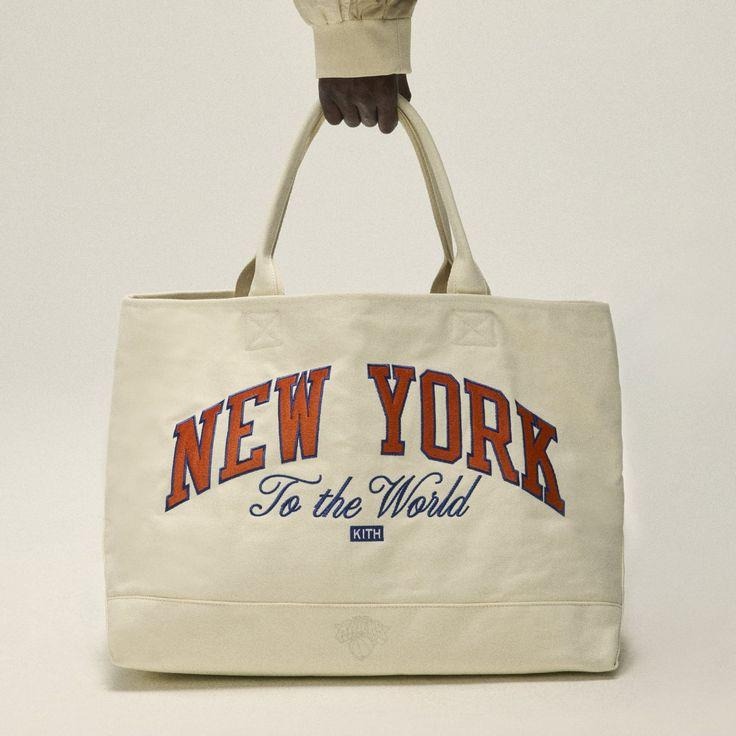
Some proven niches include eco-conscious shoppers who want reusable bags, artists and illustrators selling their designs as merchandise, small businesses looking for branded packaging, and people shopping for gifts or event giveaways. Corporate events, weddings, conferences, and nonprofits also use custom tote bags regularly.
The best niche is often one you already understand. If you know the audience, you can design better products and write more convincing product descriptions.
How to Validate Your Niche
Validation does not need to be complicated. Start by searching for your niche keywords on Google and marketplaces like Etsy or Amazon. Look at how many similar products exist and how they are positioned. Browse social media platforms to see whether people are sharing or buying similar tote bags.
If people are already buying within that niche, it is a good sign. Your job is not to invent demand but to serve it better or differently.
Step 2: Decide How You Will Make Your Custom Tote Bags
Once you know your niche, the next decision is how your custom tote bags will be produced. This choice affects your costs, workflow, and scalability.
Print-on-Demand vs Bulk Production
For many beginners, print-on-demand is the easiest way to start selling custom tote bags. Instead of holding inventory, each product is printed only after a customer places an order, which significantly reduces upfront risk. This model is especially popular for anyone starting a print on demand business, as it allows sellers to test designs, niches, and pricing without large financial commitments.
Bulk production involves ordering tote bags in large quantities, which lowers the cost per unit but requires upfront investment and storage. This model works best for established sellers or businesses with predictable demand.
For most new online sellers, print-on-demand is the safest place to start.
Common Tote Bag Materials
Material choice matters because it affects both perceived quality and printing results. Cotton tote bags are lightweight and affordable, while canvas tote bags are thicker, more durable, and often seen as premium. Recycled or organic materials appeal strongly to eco-conscious buyers.
Choose a material that aligns with your niche. A minimalist art brand may prefer heavy canvas, while an event giveaway might prioritize affordability.
Popular Printing Methods
Screen printing is durable and cost-effective for simple designs with limited colors. Direct-to-garment printing allows more complex, colorful designs but can be more expensive. Heat transfer is flexible for short runs, while embroidery adds a premium feel but is usually best for logos rather than detailed artwork.
Your print-on-demand provider will often determine which methods are available.
Step 3: Design Custom Tote Bags That Sell
A good design can turn a simple tote bag into a product people love and use repeatedly. Bad design, on the other hand, will not sell no matter how good your marketing is.
What Makes a Tote Bag Design Successful
Successful designs are clear, readable, and appropriate for the size and shape of a tote bag. Overly complex designs often lose impact when printed on fabric. Simple typography, strong icons, or clean illustrations tend to perform better.
Think about how the tote bag will be used in daily life. Designs that feel wearable and practical usually sell better than designs that feel overly promotional.
Design Ideas That Perform Well
Minimalist text designs with short phrases or slogans are consistently popular. Line art illustrations, nature themes, and niche-specific humor also work well. For businesses, subtle logo placement often performs better than oversized branding.
Seasonal designs can generate spikes in sales, but evergreen designs provide long-term stability.
Design Tools You Can Use
If you are designing yourself, beginner-friendly tools like Canva are easy to use and effective. More advanced designers may prefer professional software. You can also work with freelance designers if you want a unique look without learning design skills yourself.
Always test designs before committing to a large product launch.

Step 4: Choose the Right Platform to Sell Online
Your selling platform determines how customers find you and how much control you have over your brand.
Best Platforms for Selling Custom Tote Bags
Marketplaces like Etsy and Amazon provide built-in traffic, making them appealing for beginners. However, they also come with fees and intense competition.
Platforms like Shopify allow you to build your own branded store. While you need to drive your own traffic, you gain more control over customer experience, pricing, and branding.
Many sellers use a hybrid approach by starting on a marketplace and gradually building their own website.
Print-on-Demand Integrations
If you are using print-on-demand, choose a platform that integrates smoothly with your provider. Automation reduces errors and saves time. Pay attention to shipping regions, production times, and product quality. A reliable fulfillment partner is just as important as your storefront.
Step 5: Price Your Custom Tote Bags for Profit
Pricing is one of the most common struggles for new sellers. The goal is to be competitive while still making a healthy profit.
How to Calculate Your Costs
Start by adding up the base cost of the tote bag, printing costs, platform fees, transaction fees, and shipping. This gives you your total cost per item.
Your price should comfortably exceed this number while still making sense to your target audience.
Pricing Strategies That Work
Some sellers compete on price, while others position their custom tote bags as premium products. Premium pricing often works well when combined with strong branding and high-quality designs. Bundles, limited editions, and seasonal offers can also increase average order value.
Common Pricing Mistakes to Avoid
Avoid racing to the bottom on price. Cheap pricing often attracts low-quality customers and leaves little room for marketing or growth. Also avoid ignoring perceived value. A well-designed tote bag can command a higher price than a generic one.
Step 6: Create High-Converting Product Listings
Your product listing is where SEO and conversion meet. A great design still needs a great listing to sell.
Writing SEO-Friendly Product Titles
Include “custom tote bags” naturally in your titles, along with niche-specific descriptors. Clear and descriptive titles help both search engines and shoppers understand what you are offering. Avoid keyword stuffing. Readability always comes first.
Product Descriptions That Sell
A strong product description focuses on benefits, not just features. Explain how the tote bag fits into the customer’s lifestyle. Include size, material, care instructions, and use cases. Well-structured descriptions also help your pages rank better in search results.
Product Images and Mockups
High-quality images are essential. Lifestyle images showing the tote bag in use are especially effective. Mockups are acceptable when done well, but real photos often convert better. Optimize image file sizes to improve page speed, which benefits both SEO and user experience.
Step 7: Market Your Custom Tote Bags Online
Even the best product needs visibility. Marketing turns your store from a quiet corner into a busy shop.
Free Marketing Channels
Social media platforms like Instagram and TikTok are ideal for visual products. Pinterest is particularly powerful for long-term traffic, especially for lifestyle and gift-related tote bags. Email marketing helps you build repeat customers over time. Consistency matters more than going viral.
Paid Marketing Options
Paid ads can accelerate growth once you know which designs convert. Influencer collaborations also work well for tote bags because they show real-world use. Start small, test frequently, and scale what works.
SEO for Long-Term Traffic
Blogging around topics related to custom tote bags helps attract organic traffic. Informational articles, buying guides, and niche-specific content build authority and support your product pages through internal linking. SEO is slower than ads but compounds over time.
Step 8: Fulfillment, Shipping, and Customer Service
A smooth post-purchase experience builds trust and encourages repeat business.
Order Fulfillment Workflow
Once an order is placed, your print-on-demand provider handles production and shipping. Make sure customers understand production times so expectations are clear. Transparency reduces complaints.
Shipping Expectations and Costs
Offer clear shipping timelines and costs upfront. International shipping can expand your market but may require longer delivery times. Clear communication is more important than fast shipping.
Returns and Customer Support
Custom products usually have stricter return policies. Make this clear on your site. Responding quickly and professionally to customer inquiries goes a long way in building a positive reputation.
Step 9: Scale Your Custom Tote Bag Business
Once you have consistent sales, scaling becomes the next challenge.
Expanding Your Product Line
You can introduce new designs, seasonal collections, or related products such as pouches or apparel. Expanding thoughtfully helps increase revenue without diluting your brand.
Using Data to Improve Sales
Pay attention to which designs sell best and where your traffic comes from. Use this data to refine your offerings and marketing strategies. Small optimizations add up over time.
Building a Brand, Not Just a Product
Strong branding turns one-time buyers into loyal customers. Consistent visuals, messaging, and values help your custom tote bags stand out in a crowded market. A brand is harder to copy than a design.
Conclusion
Selling custom tote bags online is one of the most accessible ways to start an e-commerce business. With low startup costs, flexible production options, and wide appeal, tote bags offer both creative freedom and commercial potential.
By choosing a clear niche, creating thoughtful designs, and following a structured step-by-step approach, you can build a store that grows steadily over time. Start small, test often, and improve with each launch. The first tote bag you sell is the hardest. Everything after that gets easier.