
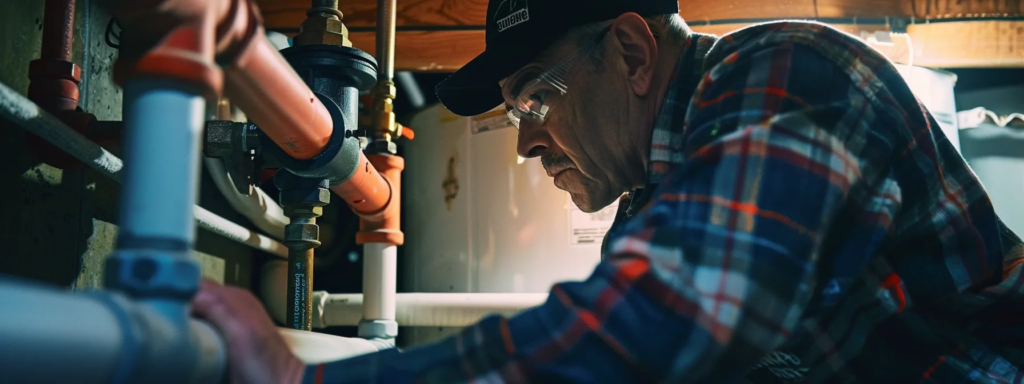

In the realm of home maintenance, upgrading plumbing systems plays a crucial role in ensuring the safety and longevity of a residence. Reports highlight that approximately 14,000 people experience a water damage emergency at home or work every day. This statistic not only underscores the prevalence of plumbing issues but also the importance of addressing them proactively.
Modernizing a home’s plumbing system can significantly enhance safety by preventing potential water damage and health hazards. In this article, we’ll delve into the various benefits of upgrading plumbing components and how they contribute to creating a safer living environment.
Upgrading Plumbing Systems for Enhanced Home Safety
The primary benefit of upgrading a home’s plumbing system is the increased safety it offers to inhabitants. Old pipes and fixtures are susceptible to corrosion and leaks, which can lead to structural damage or even catastrophic failures. A modern plumbing system, on the other hand, utilizes materials and designs that are far more resilient against such issues.
When considering an upgrade, homeowners may find a significant reduction in toxic materials like lead, which was commonly used in older plumbing systems. The U.S. Environmental Protection Agency notes that lead-free piping helps reduce the risk of lead contamination in drinking water, which is critical for health. A reliable plumber Boston can assist with these upgrades.
An actionable step for homeowners is to consult with a licensed plumber to assess their current plumbing system’s condition. The plumber can provide recommendations on which components need updating and the best materials to use for improved durability and safety.
Mitigating Water Damage Risks with Modern Plumbing
One of the formidable challenges in home safety is preventing water damage, which can compromise structural integrity and lead to mold growth. Upgrading to modern plumbing systems can significantly lessen the risk of such damage. Advanced plumbing uses more durable materials like PEX or copper that resist corrosion and can better withstand extreme temperatures and pressures.
Technological advancements like WaterSense-labeled fixtures also contribute to water efficiency, lessening the chances of leaks and standing water which can be costly over time. A study has demonstrated that WaterSense labeled homes can save about 20% on their water bills while also being environmentally friendly.
Actionable measures include installing fixtures with water detection sensors that alert homeowners of leaks before they escalate. It’s also wise to regularly inspect exposed pipes for signs of moisture or corrosion and to replace old appliances like water heaters that can cause unexpected leaks.
Preventing Health Hazards through Plumbing Improvements
Upgrading the plumbing system is not just about maintaining the physical structure of a home but also about safeguarding the health of its residents. Deteriorating pipes can become breeding grounds for bacteria if not properly maintained, leading to waterborne illnesses.
Investment in newer plumbing systems can lead to the installation of filtration units and other mechanisms that ensure cleaner, safer water. It is also advisable to update drainage systems to prevent backflow, which can contaminate the household water supply with hazardous waste.
For those looking to improve their plumbing for health reasons, it’s recommended to select plumbing components certified by health and safety standards organizations. Regular maintenance checks, including water testing, are actionable steps to ensure that the plumbing system is not only up to code but also maintains water quality.
How Modern Plumbing Technology Contributes to Safer Homes

Modern plumbing technology goes beyond just the materials used in pipes and fixtures—it encompasses the integration of smart systems that help monitor and control the home environment. These intelligent systems can proactively detect irregularities and prevent disasters before they occur, enhancing overall safety.
For instance, smart plumbing technology can include automatic shut-off valves that operate in response to detected leaks, significantly reducing the risk of widespread water damage in the home. Likewise, innovations like tankless water heaters provide on-demand hot water while reducing the risk of leak-related issues commonly associated with traditional water heaters. The incorporation of such on-demand type water heaters can also be a smart energy and space-saving investment.
Homeowners interested in leveraging modern plumbing technology should consider both the upfront investment and the long-term benefits. They can work with skilled professionals to install these systems properly, ensuring their home is equipped with the latest safety features.
Ultimately, upgrading a home’s plumbing system can have a profound impact on both the safety and well-being of its occupants. Modern materials and technology not only fortify the structure against water damage but also safeguard residents from health hazards associated with outdated plumbing. Smart investments in plumbing infrastructure translate into peace of mind, knowing the home is secure from a range of potential risks.