
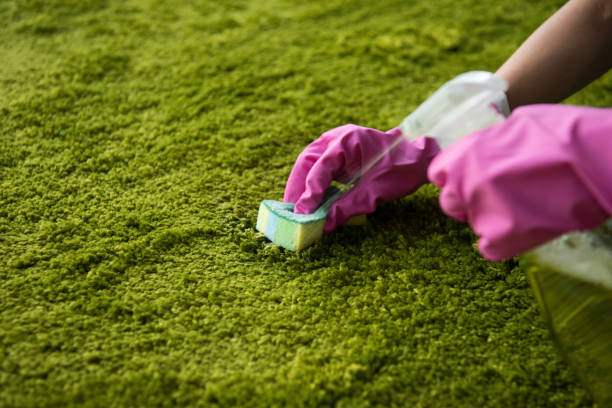

Picture this: the kids burst in from an afternoon rolling around in the backyard, pets shake off a romp through the park, or you track in clippings after mowing the lawn. Minutes later, you spot those vivid green streaks smeared across your cream-colored carpet.
Grass stains aren’t just dirt. The plant’s sap clings stubbornly to fibres, setting in quickly and creating bright, frustrating marks that seem impossible to ignore.
But don’t panic. You can use common household items to lift even set-in grass stains without damaging your carpet. Here’s how.
Act Quickly Before the Stain Settles
As with most carpet stains, speed really matters. Grass stains contain natural pigments, and once they are left to dry, those green dyes become firmly embedded.
As soon as you spot the stain, stop it from spreading. Avoid walking over the area or attempting to brush it off, as this can grind the colour deeper into the pile. Instead, clear the space and prepare to treat it properly while the stain is still fresh and responsive.
Prompt action limits how deeply the pigment penetrates and significantly improves your chances of full removal.
Even tackling the stain within the first few minutes can make a noticeable difference to the final result, reducing both the effort required and the risk of permanent discolouration.
Use Gentle Materials Instead of Harsh Chemicals
Many effective grass stain treatments rely on simple household items rather than aggressive commercial cleaners.
Ingredients commonly found in your kitchen — such as white vinegar, baking soda, and mild washing-up liquid — work together to break down stains, without compromising carpet fibres.
These gentler solutions lift dirt and pigment gradually, which is far safer than stripping the carpet with harsh chemicals. They are particularly well-suited to delicate, light-coloured, or wool carpets, which can react poorly to stronger products.
Using household ingredients is not only budget-friendly but also more environmentally responsible and safer for homes with children or pets.
Make a Simple DIY Grass Stain Cleaner
Creating your own grass stain remover is quick and inexpensive.
In a bowl, mix:
- Two tablespoons of liquid dish soap;
- One cup of white vinegar;
- Two tablespoons of baking soda.
The mixture will fizz slightly as the ingredients react. This helps loosen dirt and pigment trapped in the fibres. Dab the solution onto the stain using a clean white cloth and allow it to sit for around 20 to 30 minutes.
Once the solution has had time to work, gently blot the area to lift the stain and excess moisture. This method is particularly effective for fresh grass stains and avoids unnecessary wear on the carpet.
Blot Gently Instead of Scrubbing
When dealing with carpet stains, blotting is far more effective than scrubbing. Rubbing the area can spread the stain and push it deeper into the fibres. Though unintended, it could damage the carpet, particularly on softer materials.
Use a clean white cloth or plain kitchen roll and gently blot the stained area, working from the outside towards the centre.
This controlled approach helps contain the stain and prevents it from spreading. Avoid pressing too hard — the aim is to lift moisture and pigment, not force them further into the carpet.
You may need to repeat the blotting process several times, switching to a clean section of cloth as it becomes damp or discoloured. Patience is key here. Slow, steady movements almost always deliver better results than forceful scrubbing.
Rinse with Cold Water and Dry Thoroughly
Once the stain begins to lift, rinsing is an essential step. Use cold water to remove any remaining cleaning solution, as residue left behind can attract dirt and cause the area to look dull over time.
A spray bottle is ideal for this stage, allowing you to control the amount of water and avoid soaking the carpet. Hot water should be avoided, as it can cause grass stains to set more firmly into the fibres.
After rinsing, blot the area with a dry towel to absorb excess moisture. Then, allow the carpet to air dry completely.
Opening windows or using a fan improves airflow, speeds up the drying process, and helps prevent musty odours. Thorough drying also ensures that no sticky residue remains to trap new dirt.
Repeat the Process if Needed
Some grass stains take more than one attempt to remove, particularly if they have dried, been walked on, or are set into a thicker carpet pile. If the stain is still visible after the first treatment, there is no need to rush or panic.
Repeat the cleaning process using the same gentle approach, allowing the solution a little extra time to work before blotting again. Each application should gradually lighten the mark without stressing the fibres.
A slowly progressing method is far safer and more effective than aggressive scrubbing. However, if the stain remains after several careful attempts, it may be time to consider professional carpet cleaning for a deeper, fibre-safe solution.
Prevent Grass Stains Before They Start
Preventive habits can save a great deal of time and effort. Placing mats at entrances helps trap grass, mud, and moisture before it reaches your carpet — especially useful with our British weather.
Encouraging a no-shoes policy indoors, particularly in carpeted areas, reduces the amount of dirt tracked through the home. In high-traffic spaces, runners or washable mats offer added protection and are easy to clean or replace.
These small changes not only prevent grass stains but also extend the life of your carpet and keep your home looking tidy and welcoming.
When It Makes Sense to Call in Professional Help
While many grass stains can be handled at home, there are situations where professional assistance is the wiser option.
If the stains on your carpet have dried, spread across a large area, or the kids repeatedly walked on them, these marks become really difficult to remove.
In these cases, licensed carpet cleaning services offer a safer and more effective solution. Professionals use specialised equipment and cleaning agents designed to lift embedded dirt and pigment without damaging the carpet’s structure or colour.
This is particularly important for wool carpets, thicker pile styles, or light-coloured flooring, which require careful handling.
Experienced cleaners also know how to treat different types of stains and fibres correctly, reducing the risk of shrinkage, fading, or residue buildup.
If a stain keeps reappearing or you are concerned about causing further damage, calling in licensed experts can save time, effort, and the cost of potential carpet replacement.
Knowing when to step back and seek professional help is often the best way to protect your carpet and keep it looking its best for the long term.
Conclusion
With these straightforward techniques, you can banish those pesky green invaders and restore your carpet to its pristine state. Outdoor adventures should leave behind good memories only.
Act swiftly next time grass hitches a ride indoors. Enjoy the lawn games, park picnics, and pet playtime without the lingering frustration—your floors will stay spotless, and the fun continues uninterrupted.