

Key Takeaways
- Embrace natural materials and earthy color palettes to create a warm, inviting atmosphere.
- Incorporate biophilic design elements to enhance well-being and connect with nature.
- Utilize energy-efficient technologies and smart systems to reduce environmental impact.
- Opt for reclaimed and upcycled materials to add character and sustainability to your home.
- Design flexible, multi-functional spaces to adapt to changing needs and promote longevity.
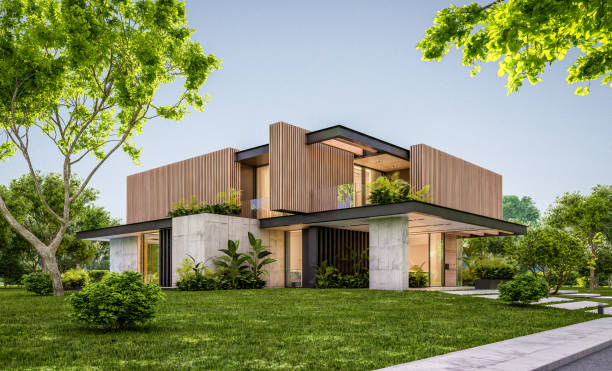
Modern homeowners are increasingly seeking ways to make their living spaces not only stylish and functional but also environmentally responsible. This shift has led to a growing focus on designs that prioritize sustainability, energy efficiency, and eco-friendly materials. From incorporating natural light to selecting low-impact building resources, these practices aim to reduce a home’s environmental footprint while enhancing comfort and long-term durability. Thoughtful design choices can also improve indoor air quality, reduce energy costs, and create a healthier living environment for families.
Collaborating with a trusted Kirkland home builder can help homeowners seamlessly integrate these sustainable practices into new construction or renovations. Builders experienced in modern, eco-conscious methods can guide decisions on materials, layouts, and technologies that align with long-term environmental goals. By combining innovative design with sustainable building techniques, homeowners can enjoy spaces that are both contemporary and responsible, supporting a lifestyle that values efficiency, comfort, and ecological awareness.
Natural Materials and Earthy Palettes
Using natural materials such as wood, stone, and clay in home interiors not only adds aesthetic charm but also supports a more eco-friendly design approach. Earthy, muted tones inspired by nature, like terracotta, soft greens, and sandy neutrals, help create a soothing, grounded atmosphere. Strategic pops of deeper shades, such as forest green or rustic red, can add visual intrigue while maintaining the calming effect of a neutral color base. These color schemes, when paired with tactile, sustainable finishes, achieve both comfort and a timeless look.
Natural palettes are incredibly versatile and can complement everything from minimalist, modern structures to cozy, traditional dwellings. Consider applying clay paints or lime plaster finishes for a breathable, toxin-free surface that actively contributes to indoor air quality.
Biophilic Design Elements
Biophilic design centers the human instinct to connect with the natural world. Bringing nature indoors, whether through abundant daylight, indoor plant life, or water features, can support wellness and create serenity in contemporary living spaces. Techniques such as maximizing the use of large windows, adding skylights, and integrating plant walls or even modest potted foliage can be achieved in virtually any residence, regardless of location or size.
Beyond greenery, biophilic design uses tactile, nature-inspired finishes such as rough-hewn timber, woven fibers, and organic-shaped furnishings. These elements can be enhanced by the sounds and scents of nature, like the subtle gurgle of an indoor fountain or the fresh scent of indoor herbs. The result is not only an aesthetically pleasing home, but one that actively supports mental and physical health.
Energy-Efficient Technologies
Modern sustainable homes are increasingly powered by intelligent technology. Energy-efficient solutions such as triple-glazed windows, advanced insulation, and smart thermostats can dramatically reduce both emissions and household costs. Smart windows that adapt to sunlight levels, programmable lighting, and connected HVAC systems are innovations that provide ease, comfort, and significant energy savings.
Implementing solar panels is another trend gaining momentum, offering homeowners independence from the grid while harnessing renewable resources. Integrating home energy management systems enables real-time tracking and optimization of usage, empowering residents to make sustainable choices.
Reclaimed and Upcycled Materials
Reclaimed materials offer sustainability along with unique storytelling. Repurposed wood, salvaged brick, or upcycled metal fixtures introduce warmth and depth that simply cannot be found in new, mass-produced materials. Choosing vintage or antique furniture not only diverts waste from landfills but also ensures longevity, since many older items are built to last. These choices can serve as striking focal points or harmonious layering elements in any design scheme.
Upcycling reduces the environmental burden of extraction and manufacturing, making it a gratifying way to personalize your home while supporting global sustainability efforts. Many homeowners are now seeking out local craftspeople to repurpose historical materials, giving new life to forgotten treasures.
Flexible and Multi-Functional Spaces
Homes that anticipate changing needs are better equipped for both family life and future market shifts. Spaces that transition easily, such as home offices that double as guest rooms, or modular furniture that adapts for entertaining and daily use, reflect an intelligent approach to conservation. Modular elements enable the room’s function to adapt as lifestyles evolve, supporting sustainability by reducing the need for frequent renovations.
Designing for flexibility can also foster creativity and increase utility, maximizing every square foot in both compact city apartments and expansive suburban dwellings.
Conclusion
Today’s sustainable home design trends are about more than curb appeal; they are about creating spaces that nurture inhabitants, adapt gracefully to change, and tread lightly on the planet. By integrating natural materials, biophilic concepts, energy-saving technologies, upcycled elements, and flexible layouts, modern homeowners are proving that style can go hand in hand with responsibility. As industry leadership and innovative builders continue to push the field forward, these trends are sure to inspire the next generation of environmentally conscious homes.
Incorporating sustainable design into modern homes often involves innovative solutions that maximize space and efficiency. One such approach gaining popularity is the construction of accessory dwelling units (ADUs), which offer a versatile and eco-friendly way to expand living areas. For those interested in exploring this option, adu building services in Portland provide expert guidance and construction tailored to sustainable practices. These compact units not only enhance property value but also promote a minimalist lifestyle, reducing the carbon footprint while maintaining comfort and style. By integrating ADUs, homeowners can enjoy the benefits of additional space without compromising on environmental responsibility.