
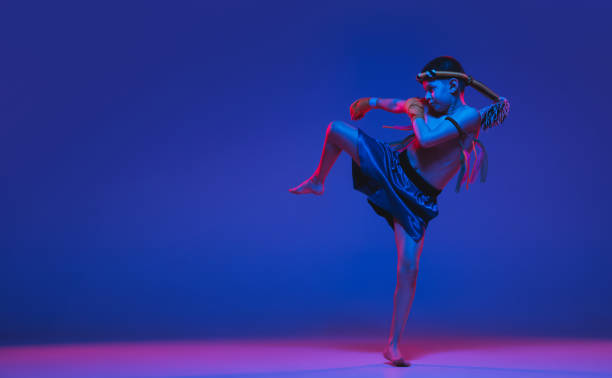

Muay Thai, often referred to as “The Art of Eight Limbs,” is far more than a combat sport. It is a deeply rooted cultural tradition of Thailand that blends physical discipline, mental resilience, and spiritual heritage. Over centuries, Muay Thai has evolved from a battlefield fighting system into one of the most respected striking sports in the world, attracting fighters, fans, and travelers from every corner of the globe.
At its core, Muay Thai is defined by the use of fists, elbows, knees, and shins—eight points of contact that allow for a uniquely dynamic and powerful fighting style. Unlike many other striking arts, Muay Thai emphasizes close-range combat, clinch work, and devastating strikes delivered with precision and balance. This combination makes it both technically complex and visually captivating.
Historical Roots of Muay Thai
The origins of Muay Thai trace back several hundred years to ancient Siam, where it was developed as a method of self-defense and military training. Soldiers relied on hand-to-hand combat techniques when weapons were lost or broken during battle. Over time, these techniques were refined and passed down through generations, eventually becoming a competitive sport.
Traditional Muay Thai is inseparable from Thai culture. Rituals such as the Wai Kru Ram Muay—performed before each fight—pay respect to teachers, ancestors, and the fighter’s gym. Traditional music, known as Sarama, accompanies bouts, creating an atmosphere that is both ceremonial and intense. These elements set Muay Thai apart from modern combat sports, preserving its spiritual and cultural essence.
Rajadamnern Stadium: The Heart of Muay Thai
When discussing authentic Muay Thai, it is impossible to ignore the significance of Rajadamnern Stadium. Established in 1945, Rajadamnern is one of the oldest and most prestigious Muay Thai stadiums in the world. For Thai fighters, competing there represents the pinnacle of achievement, comparable to performing on the world’s most famous sporting stages.
Rajadamnern Stadium has played a vital role in shaping professional Muay Thai, setting rules, weight classes, and standards that are recognized internationally. Legendary fighters have earned their reputations under its lights, and championship belts won there carry immense respect. Today, fans from around the world can explore the history, events, and legacy of the sport through muay thai, the official online gateway to this iconic institution.
Muay Thai as a Global Phenomenon
In recent decades, Muay Thai has expanded far beyond Thailand’s borders. Training gyms can now be found across Europe, the Americas, the Middle East, and Australia. Fighters from diverse backgrounds travel to Thailand to train, seeking authenticity and high-level instruction from experienced Thai coaches.
The sport’s effectiveness has also contributed to its popularity. Muay Thai techniques are widely used in mixed martial arts (MMA), kickboxing, and self-defense systems. Fighters trained in Muay Thai are known for their durability, conditioning, and striking power, making the discipline highly respected across combat sports.
Beyond competition, Muay Thai has become a popular fitness activity. Its intense training regimen improves cardiovascular endurance, strength, flexibility, and mental toughness. Many people who have no intention of fighting still practice Muay Thai as a way to build confidence, discipline, and overall well-being.
The Modern Evolution of Muay Thai
While Muay Thai remains rooted in tradition, it continues to evolve. Modern promotions incorporate advanced lighting, production, and global broadcasting, introducing the sport to new audiences without sacrificing its authenticity. Rajadamnern Stadium itself has embraced innovation while preserving its historical identity, ensuring that Muay Thai remains relevant in the digital age.
Social media and streaming platforms have also played a crucial role in Muay Thai’s growth. Fans can now watch fights live, follow fighters’ journeys, and learn about the sport’s culture from anywhere in the world. This accessibility has strengthened the global Muay Thai community and ensured that its traditions endure.
Conclusion
Muay Thai is more than a sport—it is a living cultural heritage that continues to inspire millions. From its ancient battlefield origins to the electrifying atmosphere of Rajadamnern Stadium, Muay Thai represents discipline, respect, and resilience. As it continues to grow internationally, the sport remains deeply connected to its roots, offering a powerful blend of tradition and modern athleticism. For anyone seeking to understand the true spirit of Muay Thai, exploring its history and present through platforms like rajadamnern.com is an essential starting point.