
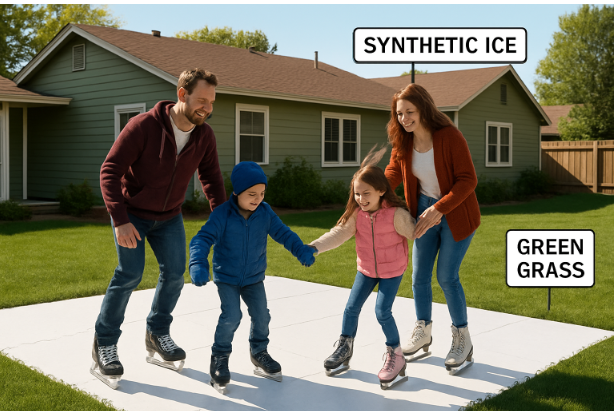

- Advanced synthetic ice materials are transforming home skating into a highly accessible and sustainable activity.
- Technological breakthroughs are compressing the gap between natural ice and synthetic alternatives in terms of performance and experience.
- Proper design and planning are crucial for optimizing the home skating experience for safety and longevity.
Table of Contents
- Advancements in Synthetic Ice Materials
- Technological Innovations Enhancing Performance
- Design Considerations for Home Skating Surfaces
- Environmental Impact and Sustainability
- Cost-Effectiveness and Maintenance
- Future Trends in Home Skating
- Conclusion
Modern recreational activities are embracing new forms, and few innovations stand out more than advancements in home skating surfaces. Skating enthusiasts no longer need to wait for winter or rely on public rinks. Instead, innovative synthetic ice solutions have brought the skating experience directly to indoor and outdoor home settings. This not only transforms how people train but also promotes accessible, environmentally responsible recreation for families and athletes alike.
Ongoing developments in materials and technology are driving the future of home skating, providing year-round enjoyment and improved sustainability. Homeowners interested in skating at their convenience can now do so with minimal maintenance, lower energy consumption, and surfaces that mirror natural ice more closely than ever. These innovations are making home skating more approachable, whether for leisure, serious athletic training, or inclusive family fun.
The increased demand for these modern solutions is transforming standards in design, maintenance, and user experience. As industry experts continue to research and implement better technologies, the convenience and realism of synthetic ice will only improve.
Equally important is the growing commitment to sustainability, which is shaping both the way these surfaces are produced and how they are used in homes and communities. Homeowners can now make decisions based on both performance and their environmental impact, reflecting broader trends in eco-conscious living.
Advancements in Synthetic Ice Materials
Traditional home rinks are restricted by the costs and limitations of natural ice. However, the introduction of high-density polyethylene (HDPE) and ultra-high-molecular-weight polyethylene (UHMWPE) panels has drastically changed the home skating landscape. These engineered materials are highly durable and offer a smooth glide similar to that of real ice, all without the need for refrigeration or specialized upkeep. As manufacturing techniques progress, these panels are becoming even thinner, more affordable, and easier to install, appealing to a broader audience.
Personalized skating setups are no longer the privilege of dedicated athletes or affluent households. Instead, new synthetic panels deliver broad accessibility and require minimal resources to maintain over time, which means more families and individuals can experience the benefits of year-round skating from their own backyards or basements.
Technological Innovations Enhancing Performance
The leap in surface quality is not simply driven by better polymer blends. Cutting-edge manufacturing now integrates self-lubricating compounds into synthetic ice panels, significantly reducing friction between the skate blade and the surface. This enhancement leads to a more natural skating motion and helps reduce fatigue, especially during intense or long sessions at home.
Additionally, modular flooring innovations have made customization straightforward. Users can tailor the size, layout, and even shape of their skating surface to fit available space or specific training needs. Many manufacturers are introducing quick-lock systems that simplify installation and offer the flexibility to expand, rearrange, or relocate the rink with ease. These advancements have collectively contributed to the widespread adoption of home skating surfaces for both amateur enjoyment and athlete training.
Design Considerations for Home Skating Surfaces
Implementing a home skating surface requires thoughtful planning to ensure optimal performance and safety. Factors to consider include:
- Space Availability: Accurately assess your available area and determine the optimal rink size and orientation. Even smaller surfaces can provide effective practice for skills development.
- Surface Quality: High-quality panels ensure smoother glide and greater durability. Inspect manufacturer credentials, product warranties, and user reviews before purchasing.
- Safety Features: Install barriers or padding along the perimeter to protect skaters from injury. Corner bumpers and secure-edge connections are important to prevent accidents.
- Maintenance Requirements: Choose panels that can be easily cleaned and resurfaced. Remove debris regularly and consider occasional deep-cleaning to retain high-performance glide.
Environmental Impact and Sustainability
One of the key benefits of synthetic skating is its low environmental impact. Unlike traditional ice rinks, synthetic surfaces do not require refrigeration, significantly reducing energy consumption. Many manufacturers are adopting sustainable practices, such as using reclaimed or recyclable materials and offering take-back programs to recycle worn-out panels. For example, recycling initiatives have successfully repurposed thousands of pounds of used flooring into new high-performance panels, thus cutting waste and promoting a circular economy.
Cost-Effectiveness and Maintenance
A synthetic ice surface is far more cost-effective over its lifespan compared to traditional ice rinks. Owners benefit from lower upfront and recurring costs, as refrigeration, resurfacing equipment, and intensive labor are not required. Maintenance usually involves sweeping the surface clean of dust or debris and performing a periodic deep clean, which keeps the glide factor high and the skating experience consistent. With proper care, synthetic panels can last for many years, making them a smart investment for homes focused on recreational value.
Future Trends in Home Skating
The home skating industry is experiencing rapid growth, with exciting innovations on the horizon. Among the most promising trends are improved glide technologies designed to further minimize friction and mimic the experience of natural ice. Smart technology integration is also advancing, with some prototypes featuring embedded sensors that track usage, analyze technique, and provide skaters with performance feedback in real time.
Manufacturers are also increasing their focus on eco-friendly ingredients and recycling methods, ensuring that each new generation of synthetic ice panels reduces waste and resource consumption. This drive for sustainability, combined with ongoing improvements in performance, guarantees that synthetic ice will become an even more popular home amenity in years to come.
Conclusion
The evolution of home skating surfaces is creating new opportunities for recreation, training, and sustainable living. Advances in materials and technology have removed previous barriers to accessibility, making it easier for families, athletes, and enthusiasts to enjoy skating on their own terms. By considering space, surface quality, and sustainability, homeowners can make informed choices that ensure maximum use and enjoyment of their personal rinks. As these innovations continue, the possibilities for home skating will only expand, offering a bright future for all who love the sport.