

Key Takeaways
- Inflammation is a natural immune response, but when it becomes chronic, it can contribute to serious long-term diseases.
- Oral inflammation, especially gum disease, is closely linked to systemic conditions like heart disease, diabetes, and respiratory infections.
- Bacteria from infected gums can enter the bloodstream and affect other organs, increasing overall health risks.
- Poor oral health can worsen blood sugar control in diabetes, creating a two-way cycle of inflammation and disease.
- Preventive care, such as brushing, flossing, regular dental visits, and a healthy diet, significantly reduces oral inflammation and related health risks.
- Managing oral health is an important part of protecting overall body health, not just maintaining teeth and gums.
Introduction
Inflammation is a fundamental defense mechanism of the human body, responding to injuries and infections to facilitate healing. However, when inflammation becomes chronic, it transforms from a helpful mechanism into a persistent threat that can drive disease and undermine health. Increasing evidence reveals a powerful connection between oral inflammation and the onset and progression of systemic diseases. This highlights why maintaining optimal oral health is more than just a cosmetic concern; it is key to overall well-being. For those looking to support their health holistically, a holistic dentist can play an important role in ensuring the mouth remains a barrier rather than a gateway to disease.
Because the mouth serves as a primary entry point to the rest of the body, the condition of your gums and teeth can influence the health of other organ systems. Understanding the connections between oral and systemic inflammation helps to clarify the importance of daily oral care and professional dental support, as well as lifestyle changes that reduce disease risk.
Understanding Inflammation
Inflammation is a complex biological response to harmful stimuli such as pathogens, tissue injury, or toxins. It is typically marked by redness, swelling, warmth, and pain in the affected area. Acute inflammation is an essential process that helps eliminate the initial cause of injury and initiate repair. In contrast, chronic inflammation is long-lasting and may occur even in the absence of a clear threat. Persistently elevated inflammation levels can lay the groundwork for various health concerns, including cardiovascular disease, diabetes, and even some cancers.
Oral Inflammation and Periodontal Disease
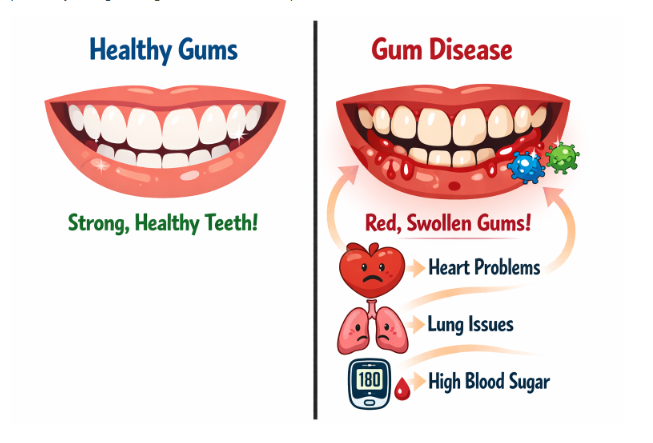
Oral inflammation most frequently appears as gum disease, beginning with gingivitis, an early stage marked by red, swollen gums that bleed easily. Without proper care, gingivitis can progress to periodontitis, a more severe, chronic condition in which inflammation leads to the loss of connective tissue and bone supporting the teeth. Periodontal disease not only leads to tooth loss but also increases the levels of oral bacteria that may enter the bloodstream, increasing the risk of inflammation elsewhere in the body.
Chronic gum disease is especially concerning because it causes a low-level inflammation that may go unnoticed for months or years. The bacteria and inflammatory molecules released from infected gum tissue can travel throughout the body, influencing immune responses and potentially setting the stage for additional health problems.
Link Between Oral and Systemic Inflammation
Clinical and laboratory research strongly supports the idea that oral health has far-reaching effects beyond the mouth. Chronic oral inflammation can contribute to systemic disease by affecting numerous organs and tissues. For example, inflammation in the gums may play a role in the development of atherosclerosis, a disease where plaque builds up inside the arteries, increasing the risk of heart attack and stroke. In people with diabetes, poor oral health makes it harder to control blood sugar, while elevated blood glucose levels, in turn, create favorable conditions for gum disease. Infections originating from the mouth can also be aspirated into the lungs, elevating the risk of conditions such as pneumonia.
Common Systemic Diseases Associated with Oral Inflammation
- Cardiovascular Disease: Persistent gum inflammation can promote the buildup of arterial plaque, potentially leading to heart disease and stroke.
- Diabetes: The two-way relationship between gum disease and diabetes complicates the management of both conditions. Uncontrolled diabetes accelerates the progression of periodontitis, which in turn impairs blood sugar control.
- Respiratory Infections: Oral bacteria can spread to the lower respiratory tract, especially in vulnerable populations, leading to infections such as pneumonia.
Mechanisms Connecting Oral and Systemic Inflammation
Oral pathogens gain access to the bloodstream through inflamed or damaged gum tissues. Once in circulation, these bacteria and inflammatory mediators can target distant organs, influencing immune responses throughout the body. This process exacerbates existing chronic diseases or may even contribute to the formation of new health issues. The body’s immune system, while designed to defend against pathogens, can create systemic complications if inflammatory responses are prolonged or misdirected.
Preventing and Managing Oral Inflammation
- Maintain Good Oral Hygiene: Brushing and flossing twice daily help remove dental plaque and reduce gum inflammation.
- Regular Dental Check-ups: Professional cleanings and examinations help detect gum disease early and ensure comprehensive oral health.
- Healthy Diet: A balanced diet rich in vitamins and minerals supports effective immune function and overall health.
- Avoid Tobacco Products: Smoking and tobacco increase the risk and severity of gum disease, impairing healing and immune defenses.
Final Thoughts
The close connection between oral inflammation and systemic diseases highlights the critical importance of dental health in disease prevention and management. By prioritizing daily oral care, regular dental visits, and balanced lifestyle choices, you can help safeguard both your mouth and your broader health. Addressing oral inflammation promptly can reduce long-term risks and contribute to a healthier, longer life.