
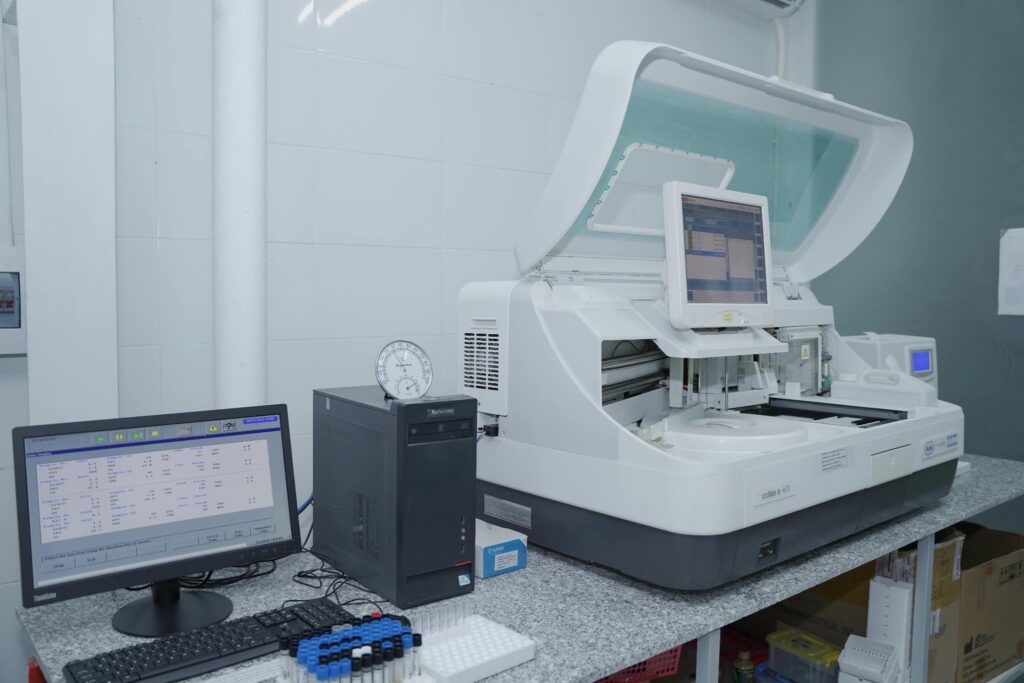

Healthcare continues to advance as laboratory technology becomes faster, more precise, and more widely available. Laboratories are an increasingly integral part of the step change in doctors’ ability to detect illness early and monitor health more effectively. This makes a difference because earlier diagnosis normally means better treatment options and cheaper costs, leading to a better quality of life.
This article will help you understand the benefits modern laboratory equipment brings to making quality medical decisions today. The main ways to discover the cost savings and quality improvements achieved with today’s highly automated technologies are discussed.
Faster Laboratory Testing Improves Medical Response
The use of modern laboratory equipment enables quicker identification of patient samples and allows physicians to provide timely clinical management.
It has now become routine for patients to receive laboratory test reports in minutes instead of days, with the help of:
- Automated Blood Analyzers
- Digital Images
- Molecular Diagnostics
- AI-Supported Laboratory Software
These tools enhance workflow efficiency and help reduce delays experienced by patients.
Accurate Testing Supports Better Treatment Decisions
Another significant benefit of laboratory technology is the ability to provide very precise diagnostic testing. Advanced systems can identify very minor differences and abnormalities that may have been missed by outdated equipment.
If the results are accurate, the doctor would be able to diagnose a disease more quickly and prevent the patient from receiving unnecessary treatment.
For instance, general laboratory investigations such as urinalysis can be rapidly accessed and provide early evidence of kidney disease, urinary tract infection, diabetes, and dehydration. Now available with enhanced laboratory instrumentation, these findings can be made with increased confidence.
Detecting Health Risks Earlier with Preventive Testing
The field of laboratory medicine has seen tremendous improvements within the preventive healthcare area. With advanced biomarker testing, health risks can be identified before symptoms fully manifest.
Take, for example, an SFLT: PlGF Ratio test used to evaluate the risk of preeclampsia during pregnancy. The ability to perform a test to monitor a patient’s health status before complications arise allows for more careful monitoring throughout the pregnancy, thereby reducing the likelihood that complications will affect either the mother or the child.
Preventive testing allows patients to make earlier decisions about their health. Early detection of a health issue often results in improved treatment outcomes and lower overall care costs.
Safety of Patients Through Laboratory Automation
Another major method by which laboratories have improved the quality of healthcare is by implementing automation in their laboratory operations. By using automated systems to minimize manual specimen processing, the likelihood of human error and contamination is greatly reduced.
Laboratory Automation additionally improves the following factors:
- Accuracy of Sample Tracking
- Consistency of Reporting
- Speed of Processing
- Operating Efficiency
- Safety of Patients
The majority of laboratories have begun using barcode verification and digital tracking systems to help ensure the correct processing of all specimens throughout specimen collection, transport, and testing.
Wrapping Up
Continued advancements in laboratory technology still positively impact healthcare in many significant ways. As medical technology advances, laboratory testing will continue to be essential for early detection, disease prevention, and long-term health management. If you’re interested in being more proactive about your health, ask your healthcare provider to help you find the laboratory tests most appropriate for your lifestyle and health concerns.