
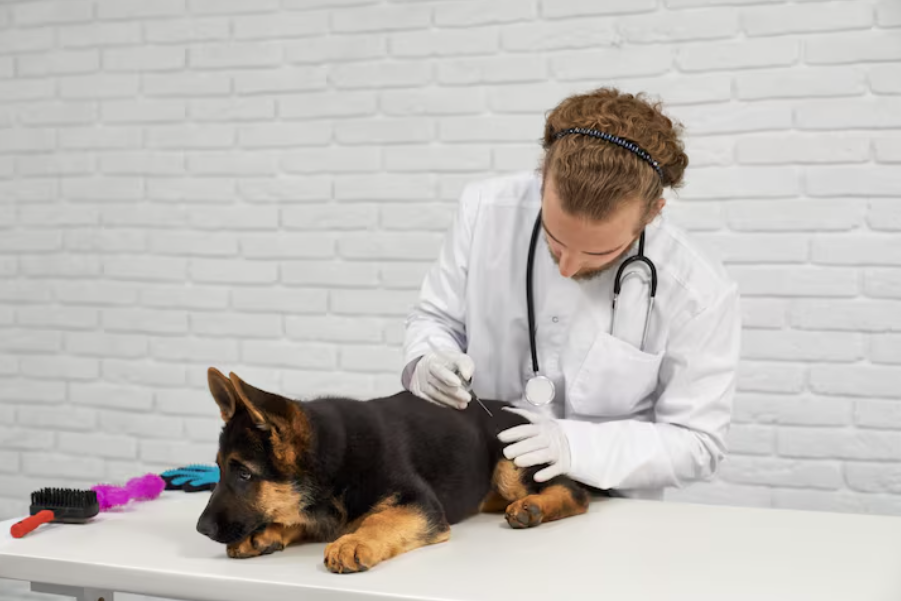

You might be staring at a printout from your veterinarian right now, a long list of numbers with strange abbreviations, and wondering if you are supposed to understand any of it. Maybe your Bend Veterinary vet said, “Everything looks fine” and moved on quickly, or maybe they mentioned a value that was “a little high” and your stomach dropped. Because you love your animal, those numbers suddenly feel very personal.end
It can feel like there was a clear “before” and “after.” Before the wellness visit, your pet was just “fine.” After the blood work, you now have questions you did not know to ask. Does this mean kidney disease later. Is my pet in pain. Did I miss something obvious. That anxiety is real, and it deserves to be acknowledged.
The good news is that wellness blood panels are tools, not verdicts. They help your veterinarian see what your pet cannot say in words. When you understand the basic story behind those numbers, the fear softens and you can partner with your vet instead of feeling lost. In simple terms, routine blood work can reveal early changes in organs, infections, inflammation, and how safely your pet can handle anesthesia or certain medications. It is not about turning you into a doctor. It is about giving you enough clarity to ask better questions and make calmer decisions.
So, what are those tests actually looking for, and how do you know when to worry and when to watch.
Why do wellness blood panels matter when my pet “seems fine”
One of the hardest parts of caring for animals is that they are experts at hiding discomfort. A dog can chase a ball with early kidney disease. A cat can purr on your lap while living with silent liver changes. By the time they show obvious signs, disease may be more advanced and treatment options more limited or more expensive.
That is where a pet wellness blood panel earns its place. It gives a snapshot of what is happening inside long before many problems show on the outside. Because of this, your veterinarian can often:
- Catch early kidney or liver changes before your pet acts sick.
- Adjust medications that might stress certain organs.
- Spot infection or inflammation hidden beneath normal behavior.
- Plan safer anesthesia for dental work or surgery.
Without this information, you are often reacting to crises instead of steering around them. That is emotionally draining and usually more expensive. With it, you gain time and options.
What do all those letters and numbers actually mean
It helps to group the tests in a typical wellness blood work for pets into a few “families.” That way, you are not trying to memorize every acronym.
1. CBC (Complete Blood Count)
This section looks at red blood cells, white blood cells, and platelets. In human medicine, you might see similar terms explained in resources about what you need to know about blood testing. For your pet, the ideas are much the same.
- Red blood cells tell you about anemia or dehydration.
- White blood cells suggest infection, inflammation, or sometimes more serious bone marrow problems.
- Platelets relate to clotting and bleeding risk.
For example, if your dog is tired and pale, a low red cell count might explain why. If your cat has a fever, a high white cell count can support the idea of infection.
2. Chemistry panel
This looks at organ function and electrolytes. In people, similar information shows up on a blood chemistry report, which you can see explained in more depth in materials like this guide to understanding blood chemistry. In pets, the names differ slightly, but the purpose is familiar.
- Kidney values such as BUN and creatinine speak to how well the kidneys filter waste.
- Liver enzymes like ALT and ALP rise when liver cells are stressed or injured.
- Glucose connects to blood sugar and possible diabetes.
- Electrolytes such as sodium and potassium affect heart, muscles, and nerves.
You might hear your vet say something like, “The kidney numbers are creeping up, but your cat is not in crisis.” That means there is room to adjust diet, fluids, or medication before things become urgent.
3. Thyroid and other add-ons
Depending on age and symptoms, your veterinarian may add thyroid tests, disease screens like heartworm, or specific markers for conditions such as pancreatitis. These are often targeted to your pet’s history rather than part of every routine panel.
So, where does that leave you when values are “a bit off” but your pet looks normal.
How should you react when numbers are high, low, or “borderline”
This is where the emotional side meets the medical side. A single abnormal number does not always mean a serious diagnosis. It can reflect recent food, stress in the exam room, lab variation, or a very early shift that needs watching but not panicking.
Your veterinarian usually looks for patterns, not isolated numbers. For example:
- A slightly high liver enzyme in an energetic young dog might prompt a recheck later, not immediate treatment.
- Mild kidney changes in an older cat might lead to a kidney friendly diet and more frequent monitoring.
- Low platelets plus bruising would be taken more seriously, since both the number and the symptoms line up.
Financially, it can feel frustrating to pay for tests when your pet seems fine. The cost is real, especially if your vet recommends repeating tests to track trends. The hard truth is that early information usually saves money over time, by preventing emergency visits or catching disease before hospitalization is needed.
So how do you balance peace of mind, your budget, and your pet’s safety.
Comparing “wait and see” vs proactive blood work for your pet
The table below offers a simple comparison between reacting only when your pet seems sick and using routine wellness blood panels as part of regular care.
| Approach | Short term impact | Long term health impact | Typical financial effect |
|---|---|---|---|
| Only test when pet seems sick | Lower cost right now. Fewer vet visits. | Higher chance of catching disease late. Fewer options and more urgent decisions. | Often higher overall cost due to emergencies, hospitalization, or intensive treatment. |
| Routine wellness blood work on schedule | More upfront cost. More information to process emotionally. | Better chance of early detection. Time to plan diet, medication, and lifestyle changes. | Often lower total cost over the pet’s life, with fewer crises and more predictable care. |
Human health resources that explain how to understand lab results, like this overview of lab results, can help you get comfortable with the idea that numbers are tools for planning, not judgments about you as an owner.
So if routine testing is usually helpful, what can you do right now to feel more in control.
Three practical steps you can take with your pet’s blood panel today
1. Ask for a simple, plain language walkthrough
You are allowed to say, “Can you walk me through this like I am new to it.” Ask your vet to group results by organ system. For example, “Tell me about kidneys, then liver, then blood cells.” Write down or take a picture of their notes. You can also ask which numbers worry them most and which they are simply watching over time. That way you know where to focus, instead of staring at every small variation.
2. Clarify what happens next and when to repeat testing
If something is borderline, ask very specific questions. For example:
- “Do you recommend any changes at home based on this.”
- “When should we repeat the panel, and what would you expect to see if things are improving or getting worse.”
- “Is this safe for anesthesia or certain medications right now.”
This turns a confusing report into a clear plan. It also helps you budget, because you can spread out future tests instead of being surprised.
3. Use trends, not single numbers, to guide your decisions
Whenever possible, keep copies of previous blood work. You can ask your clinic to email them. Patterns over time often matter more than one result on one day. A slow rise in kidney values over a year is very different from a sudden spike. If you move or change clinics, bring that history with you so your new general veterinarian understands the full story.
Bringing it all together so you and your pet can breathe easier
It is completely normal to feel overwhelmed the first time you see a full panel of lab results. You care deeply about your animal, and those numbers can feel like a secret language that everyone but you speaks. With a little guidance, they become less frightening and more like a dashboard that helps you and your veterinarian steer together.
Routine veterinary blood testing is not about finding something wrong. It is about giving your pet the best chance at a longer, more comfortable life and giving you fewer nights lying awake, wondering what you might be missing. You do not need to memorize every abbreviation. You only need to feel confident asking for explanations, understanding the big picture, and knowing what comes next.
Your pet does not read the numbers. They read your calm presence, your steady care, and your willingness to speak up on their behalf. Use the information from wellness panels as one more way to stand in their corner, with clarity instead of fear.