
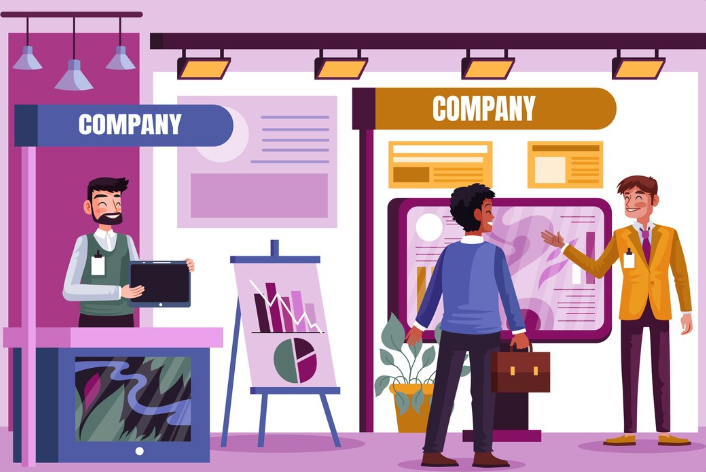

Trade shows remain a powerful way to meet potential clients, showcase products, and strengthen relationships. However, attracting foot traffic is only part of the equation. The real goal is to design a booth that transforms casual visitors into qualified leads.
Understanding Visitor Behavior
Successful booth design begins with understanding how attendees move through a trade show floor. People are drawn to displays that are open, visually balanced, and easy to navigate. A well-planned layout encourages visitors to engage rather than simply pass by.
Position key elements such as product displays, demos, and literature racks where they naturally catch attention. Clear pathways and defined zones help guide visitors toward meaningful interactions.
Creating Visual Impact
Visual design is the first impression your booth makes. Lighting, color, and signage should all work together to create a cohesive message. Avoid clutter and use graphic elements that highlight your value proposition at a glance.
Consistency in fonts, colors, and imagery strengthens recognition. Large, legible text and strategic lighting can make your booth visible from across the exhibit hall, drawing in the right audience.
Engaging the Five Senses
While visuals are crucial, sensory experiences deepen engagement. Incorporate touch through product samples or interactive screens. Use sound carefully, ensuring it adds atmosphere without becoming overwhelming. Even subtle scents can make a lasting impression when used appropriately.
These sensory cues help attendees remember your brand long after the event ends, increasing the likelihood of follow-up conversations.
Designing for Interaction
Engagement zones, such as demo stations or discussion areas, transform a booth from a static display into a dynamic experience. Staff should be positioned strategically to welcome visitors and start conversations without pressure.
Interactive elements like digital quizzes, touchscreen catalogs, or short presentations keep visitors involved and provide natural opportunities to collect lead information.
Balancing Form and Function
The best booth designs combine aesthetic appeal with practical usability. Storage areas, seating, and technology placement should be integrated seamlessly into the layout. This ensures that staff can focus on engaging attendees rather than managing logistics.
Working with a professional trade show exhibit company can help align creative ideas with structural and logistical expertise, ensuring every detail supports your marketing goals.
Personalization and Flexibility
Every event may have a different audience, so flexibility in design is essential. Modular components allow for quick adjustments in size or configuration, while customizable graphics help tailor messaging for each show.
A well-crafted custom trade show exhibit makes it possible to adapt without losing brand consistency, keeping your booth fresh and relevant over multiple events.
Converting Interest into Leads
Once visitors are engaged, lead capture becomes the focus. Digital tools such as tablets or scanning apps simplify data collection, while personalized follow-up strategies ensure that each contact receives the right level of attention after the show.
Training your team to identify qualified prospects helps filter genuine opportunities from general inquiries, improving the efficiency of post-event outreach.
Evaluating Performance After the Event
After each trade show, review performance metrics to assess what worked and what can be improved. Analyze booth traffic, lead quality, and engagement duration to understand the return on your investment.
Continual refinement based on these insights keeps your exhibit strategy evolving and ensures that future designs generate even stronger results.