

Key Takeaways
- Independent living communities offer a vibrant lifestyle with opportunities for social engagement, physical activity, and personal growth.
- Modern independent living emphasizes autonomy, community, and access to amenities that enhance quality of life.
- Choosing the right independent living community involves assessing personal needs, preferences, and the available services.
Table of Contents
- Redefining Independent Living
- The Benefits of Community Engagement
- Staying Active and Healthy
- Nutritional Support and Wellness
- Access to Healthcare Services
- Choosing the Right Community
- Financial Considerations
- Embracing a New Chapter
Redefining Independent Living
Independent living today reimagines the way older adults approach retirement and aging. No longer confined to the idea of simple residence, it is now recognized as a dynamic lifestyle that blends autonomy with opportunity. Modern communities are dedicated to providing older adults with environments that encourage freedom, purpose, and connection. As a result, residents can pursue passions, cultivate new friendships, and enjoy a supportive framework designed around their needs. For many adults seeking these benefits, independent senior living offers a vibrant pathway to maintaining this quality of life.
These communities are built to promote independence but also offer a safety net of services and amenities. Residents often find that moving to an independent living community increases their sense of control and peace of mind, knowing that help is available when needed without being intrusive to their everyday choices. Facilities range from luxurious campus-style developments to cozy, smaller neighborhoods, each with a unique atmosphere and culture tailored to diverse needs and lifestyles.
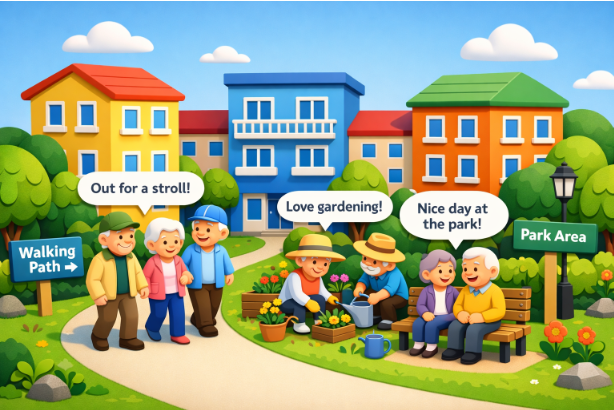
The trend toward independent living is also supported by advances in technology and design, which prioritize accessibility, safety, and modern comforts. Community features often include walking paths, gardens, fitness centers, and spaces for creative and educational activities. This shift has transformed the experience of aging, encouraging a sense of adventure rather than limitation.
By focusing on proactive wellness, enriched lifestyles, and personal agency, today’s independent living communities challenge old stereotypes about aging and retirement, creating a truly fulfilling chapter in the lives of older adults.
The Benefits of Community Engagement
Social interaction is essential for emotional and cognitive well-being in later life. Independent living communities provide myriad opportunities for residents to engage in group activities, attend cultural events, and join interest-based clubs. Whether it’s weekly movie nights, gardening collectives, or ongoing classes, being part of a vibrant community can rapidly foster friendships and create a lasting sense of belonging.
Community engagement does more than provide pleasant ways to pass the time. Research has shown that regular social activity can help reduce feelings of loneliness, stave off depression, and even improve longevity. Many residents who transition to independent senior living find their calendars filling with activities and gatherings, making it easy to remain socially active and mentally sharp.
Staying Active and Healthy
Physical activity is a critical factor in maintaining health and well-being as we age. Independent living communities understand this and tailor their recreational and exercise offerings to the abilities and interests of older adults. Most facilities offer access to fully equipped fitness centers, swimming pools, walking trails, and group exercise classes such as yoga and tai chi.
Regular physical activity supports cardiovascular health, helps maintain mobility, and improves balance, reducing the risk of falls. Community-organized recreation, such as group hikes, dance lessons, or chair aerobics, also offers a way to stay motivated and enjoy activity with peers in a supportive setting. These programs are designed not only for physical benefits but also to encourage socialization and routine, both of which are closely linked to overall well-being.
Nutritional Support and Wellness
Nutrition influences nearly every aspect of health, especially in older adulthood. Many independent living communities offer chef-prepared menus and dining experiences that cater to nutritional needs and specific dietary preferences. Whether a resident is vegetarian, needs low-sodium options, or enjoys exploring new cuisines, the flexibility and variety of dining options add significant value to daily life.
Communal meals present more than just convenience. Group dining encourages socialization, reduces isolation, and often introduces residents to new friends and foods. Nutritionists often work with culinary teams to create balanced meal plans that support immune health, energy, and disease prevention.
Access to Healthcare Services
Even as independence is a top priority, easy access to healthcare is a core component of most independent living communities. On-site wellness centers, routine screenings, and convenient coordination with outside medical professionals allow residents to maintain proactive control over their health. This integrated approach ensures that medical concerns can be addressed promptly, offering residents and their families greater security.
The assurance of accessible healthcare options fosters a sense of freedom, knowing that comprehensive support is close at hand if needed. In some communities, services may include medication delivery, transportation to medical appointments, and health education seminars, which add another layer of convenience for busy, active residents.
Choosing the Right Community
Selecting an independent living community is deeply personal. Factors to consider when making a choice include location, community culture, cost, available amenities, and the services provided. Visiting several communities, taking tours, and speaking with current residents can offer invaluable insights into the daily experience and community atmosphere.
Deciding on the right setting is about more than amenities. It is equally important to consider whether the community promotes a sense of belonging, respects individual preferences, and supports lifelong learning and engagement. Exploring your options and weighing what truly matters to you can make the transition both smooth and exciting.
Financial Considerations
Affordability is foundational when planning a move to an independent living community. Costs may vary widely based on geographic location, the level of luxury, included services, and available amenities. It is essential to carefully review contracts, understand what is included in the monthly rate, and ask about any additional fees (such as housekeeping or meal plans).
Some individuals find it helpful to consult a financial planner with experience in retirement living. Taking the time to understand payment models and future costs thoroughly will help ensure financial stability for years to come. For more guidance, readers can visit broad resources such as AARP’s independent living advice.
Embracing a New Chapter
Moving to an independent living community is not an end to independence but the start of a new journey. Residents enter a chapter filled with possibilities for friendship, personal growth, and enriching experiences free from the demands of home upkeep. With thoughtful preparation and a proactive outlook, the transition to independent living is a powerful step toward a rewarding and vibrant future.