

Key Takeaways
- Robust counselor-college collaborations deliver student-centric support and smoother admissions experiences.
- Consistency in communication and mutual respect are critical foundations for meaningful partnerships.
- Joint programming, resource sharing, and addressing systemic obstacles can improve student outcomes and institutional satisfaction.
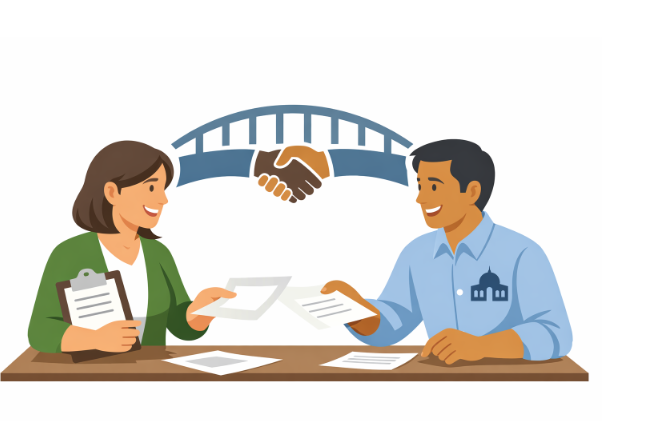
Effective collaboration between high school counselors and college admissions offices is essential to guiding students through the complex, often overwhelming journey toward higher education. Investing in strong partnerships ensures that students receive not only accurate information but also personalized support and timely guidance to make informed decisions about their futures. Forming these partnerships is especially important for higher education professionals seeking to streamline their processes and help diverse student bodies. High School Counselor Outreach for Admissions Counselors provides additional strategies to enhance outreach and foster these critical relationships.
When colleges and counselors work in tandem, students benefit from an ecosystem of trust, continuity, and advocacy. A strong relationship between these groups provides students with a clearer understanding of admissions requirements, scholarship resources, campus environments, and other vital considerations. By acting as informed guides, both counselors and college representatives play transformative roles in shaping students’ futures and bridging the transition from high school to college life.
Maximizing the impact of these partnerships requires intentional efforts, from improved communication strategies to co-hosted initiatives and open resource sharing. This article explores the importance of collaboration, key practices, and practical ways to overcome common challenges to best serve students’ needs.
High school counselors face substantial pressures, from managing caseloads to staying up to date on college trends. By collaborating closely with college admissions teams who also balance outreach goals and enrollment targets, both sides can create pathways that empower students and their families.
Understanding the Importance of Collaboration
High school counselors are often the primary point of contact for students and families navigating the higher education landscape. Their knowledge and advocacy can make the difference for students exploring postsecondary options. By connecting with college admissions professionals, counselors are better equipped to stay abreast of evolving requirements, deadlines, and financial aid opportunities. This ensures that all students, regardless of background, receive support tailored to their interests and ambitions.
For admissions professionals, counselors are valuable allies who can provide context about applicant pools and help identify talented students who may otherwise go unnoticed. Effective collaboration also supports colleges’ goals of creating diverse and prepared incoming classes, benefiting institutions and students alike.
Effective Communication Strategies
Open and consistent channels of communication remain the backbone of successful collaboration. Scheduling regular check-ins via phone, email, or virtual platforms promotes information sharing and clears the path for transparent dialogue about student needs, application nuances, and institutional expectations.
Sometimes, leveraging technology such as online scheduling tools or shared resource hubs can reduce communication barriers. Colleges that recognize counselors’ busy workloads and tailor their approach accordingly tend to foster stronger relationships and ultimately improve students’ applicant experiences. Resources from Inside Higher Ed detail how mutually respectful communications can build effective bridges between secondary and postsecondary education.
Joint Initiatives to Support Students
One of the most powerful ways counselors and admissions teams can support students is by organizing collaborative programs, such as college fairs, college-readiness workshops, application boot camps, and campus tours. These events demystify the college process, introduce students to new opportunities, and address common fears about the transition to college life.
Virtual events are especially important for schools facing travel or budget limitations. Online information sessions, Q&A panels, and digital campus tours ensure access to resources regardless of a student’s location. The National Association for College Admission Counseling provides examples of collaborative programming that improve student engagement and outcomes.
Sharing Resources and Information
Colleges can aid counselors by providing comprehensive, updated materials covering everything from academic offerings to financial aid and housing. Detailed guides and checklists can help counselors relay complex information quickly and accurately to students and parents. In return, counselors supply admissions officers with up-to-date information relevant to their student body, such as emerging interests, challenges, or local opportunities.
This reciprocal model of information exchange empowers both high schools and colleges to assist students at every stage of the admissions process. Comprehensive and clear resources benefit not only students but also streamline counselors’ and admissions officers’ work.
Addressing Systemic Challenges
Resource constraints, such as high counselor-to-student ratios or limited time for professional development, are persistent barriers to effective collaboration. Colleges and K-12 institutions should recognize these challenges and work together to develop creative solutions, such as targeted training sessions, time-saving technology, and shared professional learning opportunities.
Building awareness of these systemic issues, as detailed in publications from organizations such as Education Week, encourages a spirit of cooperation and advocacy that can lead to meaningful, long-term improvements in student support systems.
Building Trust and Mutual Respect
At its core, collaboration between high school counselors and college admissions is built on trust and respect. Understanding the unique challenges each side faces ensures that the partnership remains strong and focused on student success rather than competition or miscommunication.
By maintaining open minds and flexibility, both counselors and admissions officers model positive, collaborative behavior that ultimately benefits the students they serve, fostering supportive communities and successful academic transitions.
Conclusion
Developing and maintaining strong, trust-based relationships between high school counselors and college admissions offices is crucial to guiding students through the realities and possibilities of higher education. Through transparent communication, joint initiatives, and mutual respect, these collaborations provide students with the guidance, support, and resources they need to thrive on their educational journeys.