
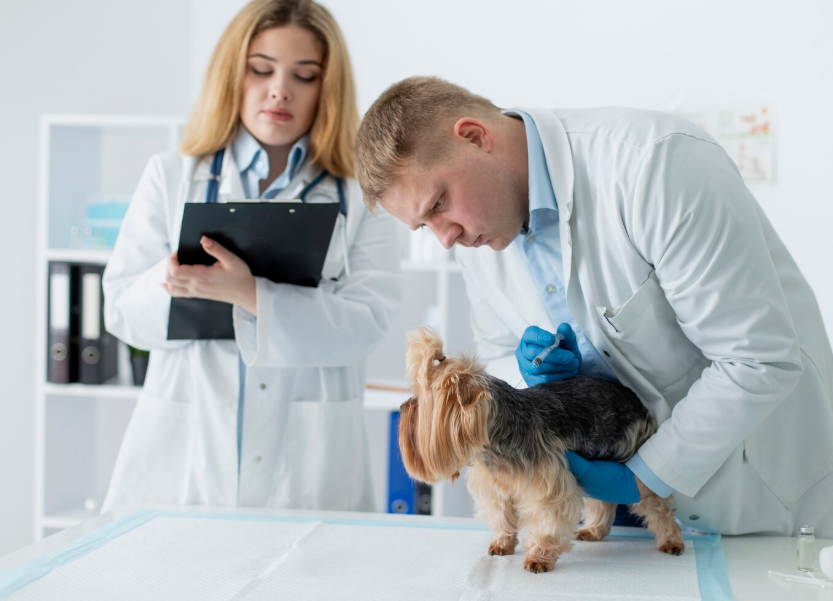

When your pet has an infection that will not clear, or keeps getting better and then sliding backward, the stress builds fast. You are watching symptoms, giving medication, paying for visits, and wondering why a simple antibiotic is not working. That frustration is common, and it is often the point where a veterinarian at a South Austin animal hospital recommends a culture and sensitivity test.
A veterinary culture and sensitivity test shows what organism is causing the infection and which drugs are most likely to stop it. That matters because not every infection responds to the first antibiotic chosen, and using the wrong one can waste time, money, and your pet’s comfort. Veterinary culture and sensitivity tests help turn guesswork into a treatment plan based on evidence.
Culture and sensitivity testing identifies the cause before treatment keeps missing the mark
Many infections look similar at first. A dog with a urinary tract infection, a cat with a wound that will not heal, or a pet with chronic ear discharge can all show signs that point toward infection without revealing the exact source. Redness, odor, swelling, discharge, pain, fever, and changes in behavior tell you something is wrong. They do not tell you which bacteria or fungi are involved.
That gap matters. One antibiotic may work well against one strain of bacteria and fail against another. If your pet has already taken antibiotics recently, the odds of resistance can rise. The result is a cycle many owners know too well. Symptoms improve for a few days, then return, often worse than before.
A culture test grows the organism from a sample taken from urine, skin, tissue, blood, or another affected site. A sensitivity test then checks which medications stop that organism and which ones do not. This is the heart of infection testing for pets. It is not treatment by hunch. It is treatment based on what is actually present.
The American Veterinary Medical Association has also emphasized better antimicrobial use in veterinary medicine, because targeted prescribing helps protect animal health and slows resistance over time. You can read more in this AVMA publication on antimicrobial stewardship.
Delayed or repeated infections often point to the need for lab-guided antibiotic selection
Some infections are straightforward. Others are stubborn for reasons that are not obvious at home. Maybe your dog has recurrent urinary issues. Maybe your cat has a bite wound that keeps draining. Maybe ear infections return every few months no matter what cleaner or drops you use. In those cases, a culture and sensitivity test can reveal whether the original treatment missed the organism, whether resistance developed, or whether more than one organism is involved.
This also affects cost. Owners sometimes hesitate when they hear “lab test” because they are already paying for exams and medication. That concern is real. Yet repeated appointments, repeated antibiotics, and longer illness often cost more than testing early, especially when the first few treatments fail. The price of not knowing can add up fast.
For veterinarians, proper sample handling also matters. A poor sample can lead to unclear results or contamination, which is one reason clinics follow specific protocols for collection and submission. The USDA APHIS guidance on veterinary laboratory submissions shows how much accuracy depends on what happens before a sample even reaches the lab.
Urinary cases offer a good example. Some pets form stones, and infection can be tied to that process. In certain cases, culturing the stone itself gives information that urine alone may miss. The University of Minnesota explains this in its guidance on whether pet urinary stones should be cultured. That level of testing is not needed for every patient, but when infections keep coming back, details like this can change the treatment plan.
Culture and sensitivity testing gives clearer treatment choices than empirical antibiotics alone
| APPROACH | WHAT IT INVOLVES | MAIN BENEFIT | MAIN RISK |
| Empirical antibiotic treatment | Medication is chosen based on symptoms, exam findings, and common bacteria for that condition | Can start quickly, often useful for simple first-time infections | May fail if the organism is resistant or unusual |
| Pet culture and sensitivity test | A sample is collected, organisms are grown in the lab, and medications are tested against them | Targets the actual cause and supports more precise treatment | Results take time, often a few days, and may add upfront cost |
| Repeated trial-and-error treatment | Multiple medication changes after poor response | May eventually help if the infection is mild | Longer discomfort, higher total cost, more resistance pressure |
The table reflects a common reality in general veterinarian practice. Quick treatment has a place, especially when a pet is uncomfortable and the infection appears routine. Still, when symptoms are severe, recurring, deep, post-surgical, or not responding as expected, culture and sensitivity testing usually provides a stronger path forward.
Practical steps help you get better results from veterinary infection treatment
Ask when testing changes the plan.
If your pet has had the same issue more than once, has already taken antibiotics, or is not improving on schedule, ask whether a culture and sensitivity test would affect the next treatment choice. This opens a useful conversation instead of waiting through another failed round of medication.
Give a full medication history.
Tell your veterinarian about every recent antibiotic, ear drop, cream, or leftover medication your pet has received, even if it was only for a day or two. Previous treatment can affect culture results and can shape which drugs are still likely to work.
Follow sample and medication instructions closely.
Some tests require urine collection before starting antibiotics, or stopping certain drugs if your veterinarian says it is safe. Once treatment begins, give the medication exactly as directed. Skipped doses and early stopping can muddy the picture and allow the infection to return.
Targeted testing supports safer and more effective care
If you are dealing with a pet whose infection keeps hanging on, your concern is justified. A culture and sensitivity test often answers the question that symptoms alone cannot answer. It identifies the cause, shows which medications have a real chance of working, and helps avoid another round of treatment that only buys a little time.
When an infection is persistent, painful, or recurring, ask your veterinarian whether culture and sensitivity testing is the right next step. A general veterinarian can use those results to build a treatment plan that is more precise, more efficient, and easier on your pet.
Read More: 4 Veterinary Services Every Pet Owner Should Know About