

You might notice it in small ways at first. Your dog stops jumping onto the couch. Your cat hides more than usual, or seems tense when you touch a certain spot. Nothing looks dramatic, yet something feels off, and that uncertainty can be hard to carry when your pet cannot explain what hurts. That is often the moment when people start to see why pain care matters so much, and why consulting a Lower Sackville, NS veterinary team can help.
The short answer is this. Pain in animals is easy to miss, easy to underestimate, and risky to treat without guidance. That is why animal hospitals matter. They do more than respond to emergencies. They assess subtle signs, choose safe medications, monitor side effects, and adjust treatment as your pet’s needs change. When you are worried and your pet is quiet, an animal hospital gives you a path forward that is grounded in skill and compassion.
Why is pain in pets so easy to miss, and why does that matter?
Animals are good at hiding pain. It is part of survival, and it means many pets suffer longer than people realize. A limp is easy to spot, but pain does not always look like limping. It can show up as restlessness, panting, poor sleep, less grooming, irritability, or a sudden change in appetite. In dogs, even small behavior shifts can signal discomfort, which is why learning about how to recognize pain in dogs can be so helpful.
Because of this, waiting can create a painful cycle. A pet hurts, then moves less, then loses strength, then the pain grows worse. In some cases, untreated pain can slow healing after surgery, strain the heart and lungs, and reduce quality of life. So, where does that leave you if you suspect a problem but are not sure?
It leaves you needing more than guesswork. You need trained eyes, a full exam, and a plan that fits your pet’s age, condition, and history. That is where veterinary pain management becomes so important. It is not just about giving a pill. It is about finding the cause, measuring the pain, and treating it in a way that is safe.
What does an animal hospital do that home care alone cannot?
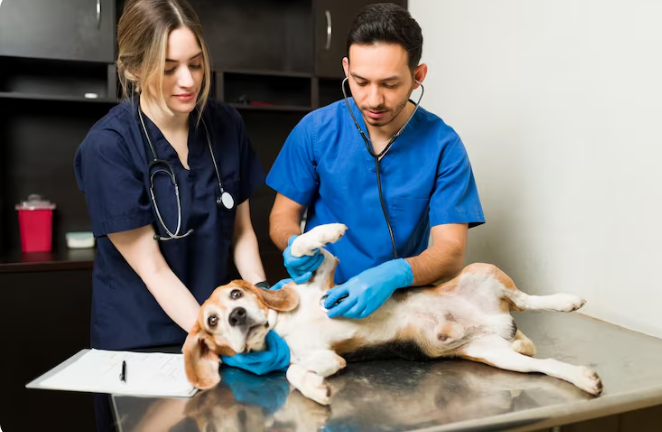
At home, you know your pet’s routines better than anyone, and that matters. Still, home care has limits. A pet may have arthritis, dental disease, a soft tissue injury, nerve pain, cancer pain, or pain after a procedure, and each one may need a different approach. Animal hospitals can examine movement, check vital signs, use imaging when needed, and build a treatment plan instead of treating only the symptom you can see.
They also help protect pets from a common mistake, which is using human medicine without veterinary guidance. The FDA warns that many pain relievers for pets must be used with care, and some human drugs can be dangerous or even deadly to animals. A medication that seems harmless in your medicine cabinet can cause stomach bleeding, kidney damage, or liver trouble in a pet.
An animal hospital also brings together more than one tool. Pain relief may include prescription medication, anesthesia planning, nerve blocks, physical support, weight management, and follow up monitoring. Cornell’s anesthesia and pain medicine service shows how detailed this care can be, especially for surgery, injuries, or chronic illness. That kind of support can make recovery smoother and help pets stay comfortable without overmedicating them.
How does professional pain care compare with trying to manage it on your own?
When you are trying to help quickly, it is natural to think rest and watchful waiting might be enough. Sometimes rest does help, but pain that lingers, returns, or changes behavior deserves more attention. A side by side view makes the difference clearer.
| Approach | What it may help with | Main risks | Best use |
|---|---|---|---|
| Home observation and rest | Mild strain, short term soreness, tracking symptoms | Missing hidden pain, delaying diagnosis, underestimating severity | Very short term support while arranging veterinary advice |
| Human pain medicine without veterinary guidance | Usually none safely | Toxicity, bleeding, kidney or liver injury, wrong dose | Avoid unless a veterinarian specifically instructs you |
| Animal hospital evaluation | Acute pain, chronic pain, post surgery recovery, complex conditions | Cost and time commitment, though often less costly than delayed care | When pain is suspected, ongoing, worsening, or affecting daily life |
This is one reason pet pain treatment is so often worth addressing early. Early care can prevent setbacks, reduce suffering, and sometimes lower overall expense by catching a problem before it grows.
There is also hope in how pain care keeps improving. Cornell recently shared a story about new hope and compassionate care for animal patients in pain, which reflects a wider truth. Modern pain medicine is not static. Hospitals keep refining how they assess pain, combine treatments, and support comfort during recovery.
What can you do right now if you think your pet is hurting?
1. Watch for behavior changes, not just obvious injuries.
Pay attention to sleep, appetite, posture, grooming, hiding, pacing, stiffness, and how your pet handles stairs or touch. Write down when the change started and what makes it better or worse. Those details help an animal hospital connect the dots faster.
2. Do not give over the counter human medication unless a veterinarian tells you to.
This step can protect your pet from serious harm. Even well meant choices can backfire if the drug, dose, or condition is wrong. If your pet has already received something at home, tell the hospital exactly what was given and when.
3. Ask for a real pain plan, not just a one time fix.
If your pet is diagnosed with an injury, arthritis, dental pain, or post operative discomfort, ask how pain will be measured, what side effects to watch for, and when the plan should be adjusted. Good animal hospital care includes follow up, because pain changes as healing changes.
When your pet depends on you, where should you turn?
You do not need to have all the answers before seeking help. You only need to trust the signs that something is different. Pain can be quiet, but its effects are real, and the right care can ease suffering, support healing, and help your pet feel like themselves again.
If your pet seems uncomfortable, withdrawn, stiff, or not quite right, reach out to an animal hospital and schedule an evaluation. Acting early is one of the kindest things you can do.
Read more: 4 Veterinary Services Every Pet Owner Should Know About / Vegasino Casino Review and Complete Player Guide